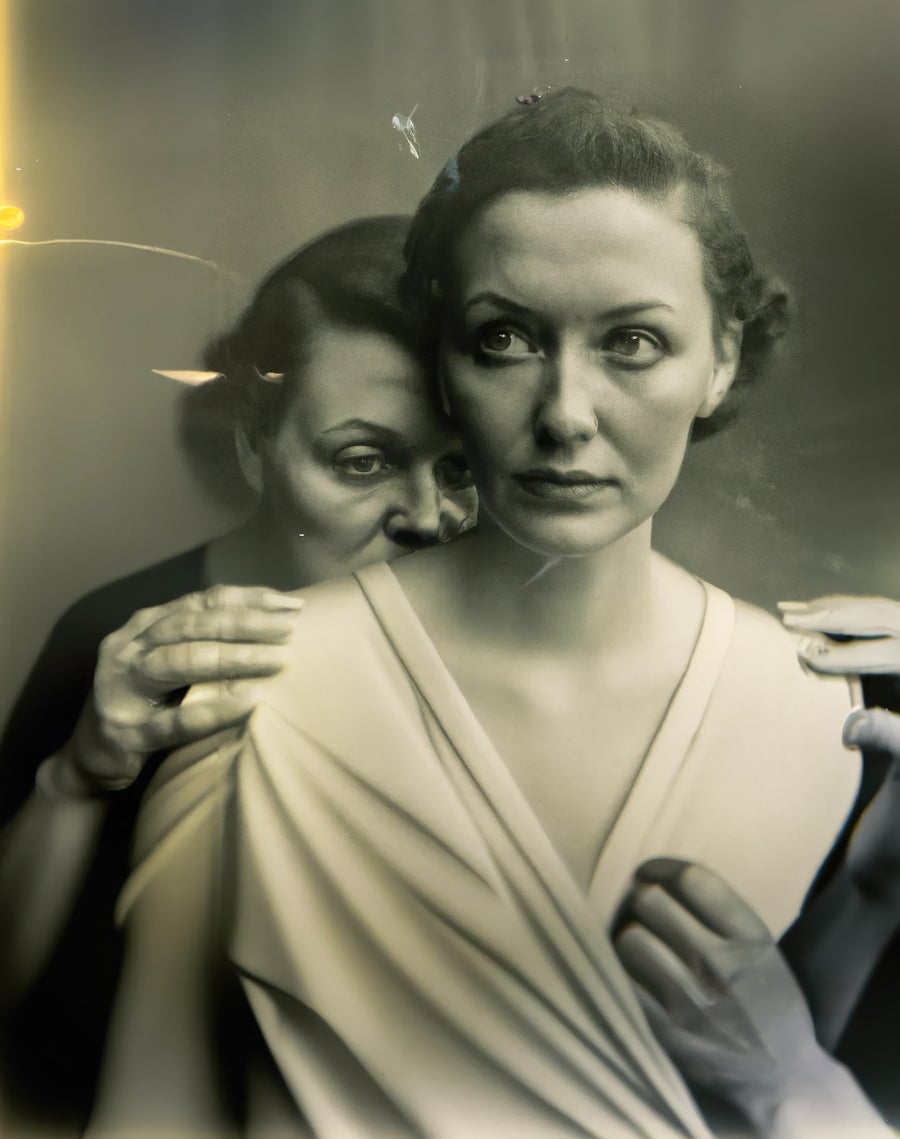
© Boris Eldagsen, ‘Pseudomnesia: The Electrician’
This image won the prestigious Sony World Photography Awards in the Creative Photo Category.
It was revealed to have been made in DALL-E 2, an artificial image creation program.
Personally I find this very hard to understand as one look at the hands in this photo alerts you to the fact that it is not a natural, raw image.
AI in Photography Today
-
AI-powered photography enhances image quality and automates editing, revolutionizing the creative process.
-
AI tools like autofocus and scene recognition support photographers in capturing exceptional images.
-
AI in photography is not just about efficiency but also about expanding creative possibilities.
-
Understanding the balance between AI assistance and human creativity is crucial for modern photographers.
-
While AI brings new opportunities, it also raises ethical questions that the industry must navigate carefully.
Welcome to the Brave New World of AI Photography
Today’s cameras understand exactly what you’re trying to capture, they make tedious editing tasks a thing of the past, and expand your creative horizons. As we explore this new frontier, let’s unpack how AI is not just changing the game, and is creating an entirely new playing field for photographers of all levels.
What Is AI-Powered Photography?
AI-powered photography refers to the use of artificial intelligence to enhance or automate various aspects of the photography process. This includes everything from autofocus and exposure settings to post-processing and image editing. AI algorithms can analyze a scene, recognize subjects, and make real-time adjustments to capture the best possible image.
Breaking Down How AI is Reshaping Imagery
When we talk about AI in photography, we’re looking at a spectrum of tools that, quite frankly, feel like they’ve been plucked from the future. These tools are designed to enhance everything from the moment you press the shutter button to the final touches that make your images pop. Most importantly, they’re here to support your vision, not replace it.
Let’s start with the basics: AI can now optimize camera settings in real-time, ensuring you capture the perfect shot even before you see it. It’s like having a professional photographer whispering in your ear, “Adjust the ISO now,” or “Wait for the golden hour light.“ Because of AI, your camera is becoming more intuitive, almost as if it’s an extension of your own eyes.
Finding the Balance: AI Tools and Human Creativity
One might worry that AI could stifle creativity, but it’s quite the opposite. AI tools are freeing us from the monotonous parts of the photography process, allowing us to focus on the artistry. Therefore, it’s about finding the sweet spot where AI enhances our creative vision without overpowering it.
Let’s go back 60 years and look at photography techniques before digital cameras.
Darkrooms are a distant memory now. The process of developing negatives and waiting patiently to see the images appear (in reverse no less) before having them printed into black and white photographs, didn’t change until digital cameras became readily available in the 1990’s. Color photographs didn’t become common until the 1970’s
For most people (without a darkroom and developing equipment) once you’d used the roll of film, it was taken to a photo lab for processing. Once complete you paid for your package of photos and looked to see how many had turned out. It was a snails pace process and often pretty disappointing as there was no way to see the image except through a rather small viewfinder. It was hit and miss for the average person and expensive.
Digital Cameras Changed Everything
No more waiting for developing and paying for processing. Large flip out screens allowed for viewing photos instantly and deletion if they weren’t up to scratch. Storage was onboard and instantly made clumsy space consuming photo albums a thing of the past. We all breathed a collective sigh of relief when the neighbours or relatives no longer arrived armed with an album of happy snaps from their recent holiday.
The Dawn of AI in Photography
AI has been quietly revolutionizing photography for a while now, but we’re just beginning to see its full potential. From AI that can sort and tag your photos to algorithms that can edit a photo in the style of your favorite artist, the possibilities are endless. This is a new dawn, and we’re here to embrace the light.
AI and the Camera: Harnessing the Smart Lens
Today’s cameras are smarter than ever. With AI-driven autofocus systems, they can track a subject’s eye with precision, making sure your portraits are sharp where it counts. But it’s not just about focus; AI is also helping cameras understand scenes and adjust settings for the best exposure and color balance. It’s like having a little bit of magic inside your camera.
Behind the Scenes: How AI Is Crafting Our Visuals
Behind every great image, there’s a story of how it came to be. AI is part of that story now, working behind the scenes to craft our visuals. It’s analyzing thousands of images to learn what makes a photo great and applying that knowledge to help you create your best work yet.
From Snap to Art: Editing with AI Algorithms
Editing is where AI truly dances with your raw images, transforming them from snaps to art. It’s not just about slapping on a filter; AI algorithms can now analyze the content of a photo and suggest edits that bring out its best features. These algorithms are learning from millions of images and their adjustments, honing their ability to suggest changes that make your photos shine. The result? A photo that not only looks better but feels more like the moment you captured.
Lighting and Composition: AI’s Creative Predictions
Light and composition are the soul and structure of a photograph. AI is becoming adept at predicting the best lighting for a scene and even suggesting compositional changes that could improve the final image. This isn’t about replacing your artistic judgment; it’s about augmenting it. With AI’s help, you can explore lighting scenarios that you might not have considered and compose shots with a new perspective, all in an instant.
For example, AI can now analyze the geometric patterns in your scene and guide you towards the most aesthetically pleasing composition. It’s like having a mentor over your shoulder, offering advice based on the wisdom of countless successful photographs.
Subject and Scene Recognition: The AI Advantage
Recognizing the subject or the essence of a scene is fundamental in photography. AI’s capability to identify and categorize subjects within a frame is nothing short of revolutionary. It can distinguish between a landscape, a portrait, or an action shot and adjust its settings for the optimal capture. This means you’re always ready, even if you’re not sure what your next shot will be.
Real or Fake?

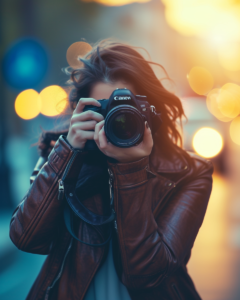
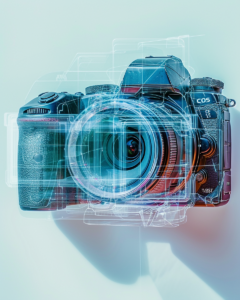
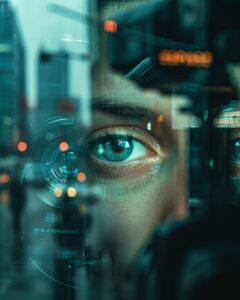
Both images are AI generated. Seeing is not always believing in the age of AI
Expanding Your Vision with AI
AI doesn’t just make things easier; it expands what’s possible. It can merge images for a perfect exposure, fill in missing details, or even suggest alternative angles for a scene. By taking care of the technicalities, AI allows you to focus on the story you want to tell. This is about expanding your vision, about seeing possibilities you didn’t know existed.
Unleashing Creativity: AI as Your Collaborative Partner
Think of AI as your collaborative partner in the creative process. It’s there to bounce ideas off, to try out new things with, and to take some of the load off your shoulders. With AI, you can push the boundaries of your creativity, experimenting with styles and techniques that might have been out of reach before. It’s a brave new world where your creative spirit can run wild, with AI keeping pace every step of the way.
AI’s Role in Photography Education and Skill Building
AI isn’t just changing the way we create; it’s changing the way we learn. With AI-powered tools, beginners can get real-time feedback on their shots, helping them to learn faster and with more precision. For those looking to refine their skills, AI can offer advanced tutorials based on their specific needs, helping them to tackle their weak spots and become better photographers. It’s personalized education, and it’s incredibly powerful.
The Ethics of AI: Navigating the New Normal
As with any powerful tool, AI comes with a set of ethical considerations. We must navigate this new normal with care, ensuring that AI aids in the creation of genuine art without crossing the line into deception. The authenticity of our work is paramount, and maintaining the trust of our audience is essential.
Authenticity in the Age of AI Imagery
Authenticity is the cornerstone of great photography. AI should be used to enhance that authenticity, not undermine it. As photographers, we have a responsibility to use AI ethically, ensuring that our images remain true to our vision and to the moments we capture.
-
Be transparent about the use of AI in your work.
-
Use AI to enhance, not fabricate, the reality of your photographs.
-
Keep the story and emotion of the image at the forefront of your editing process.
-
Don’t get lazy and simply rely on AI to do the work for you.
-
Add your stamp to create something unique, let AI work for you, not the other way around.
By adhering to these principles, we can use AI as a tool for good, creating images that resonate with truth and beauty.
Establishing Trust: AI and the Fight Against Fakes
In an era where ‘deepfakes’ and altered images are becoming more common, it’s more important than ever to establish trust with your audience. AI can be part of the solution, with technology that verifies the authenticity of images and detects manipulations. By embracing these tools, we can help safeguard the integrity of photography.
Big companies including Google are fighting back against the fakes by developing invisible watermarks and other clever methods to detect fully AI generated and substantially enhanced images, such as the following Mid Journey image which went viral in 2023:
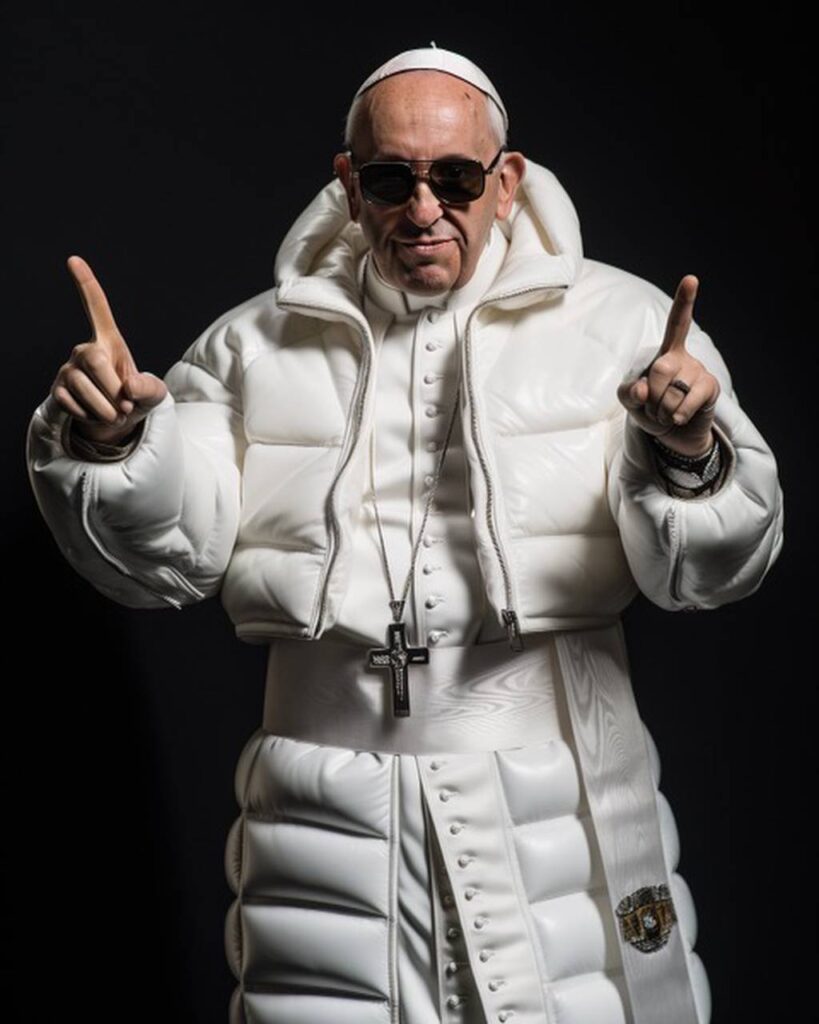
Interestingly, one thing AI so far has not mastered is hands. Hands and fingers are usually a give away to an AI generated image.
Embracing the Future
The future is bright for photographers who embrace AI as part of their toolkit. As we move forward, we can expect AI to become even more integrated into our workflows, bringing new challenges but also new opportunities to create images that inspire and captivate. The key is to stay informed, stay creative, and stay true to the art of photography.
The Evolving Role of the Photographer in an AI World
The introduction of AI into photography is not a signal for the end of the photographer’s role but rather an evolution. As AI automates the technical aspects of photography, photographers can devote more time to the creative and storytelling aspects of their work. The photographer’s eye for detail, understanding of human emotion, and capacity for creative expression cannot be replicated by AI. Instead, AI becomes a powerful ally, enhancing the photographer’s ability to create compelling imagery.
Next-Generation AI: What to Look out for in Photography
As we peer into the horizon, the next generation of AI in photography is poised to bring even more exciting developments. We can expect AI to deliver more nuanced image editing, provide advanced composition assistance, and even generate virtual reality experiences from standard photos. Keep an eye out for AI tools that can simulate complex lighting setups or create high-resolution images from low-quality sources. The future of AI in photography is about pushing the limits of what we believe is possible.
Moreover, AI will continue to democratize photography, making advanced techniques and professional-quality results accessible to hobbyists and amateurs. The gap between novices and professionals will narrow as AI levels the playing field, but the true artistry will always stand out. That’s where your unique vision comes into play.
FAQs
How Does AI Improve Photo Editing?
AI improves photo editing by automating routine tasks, such as exposure correction, color grading, and object removal, which can save photographers countless hours of manual work. Furthermore, AI can analyze an image to understand its content and context, allowing for more intelligent and content-aware edits. This not only speeds up the editing process but also opens up new creative possibilities for photographers to explore.
Can AI Replace Human Photographers?
No, AI cannot replace human photographers. Photography is an art form that relies on the photographer’s vision, creativity, and emotional connection to the subject. While AI can assist with the technical aspects of photography, it cannot replicate the human touch that gives photographs their depth and meaning.
What Are the Ethical Implications of AI in Photography?
The ethical implications of AI in photography are significant and multifaceted. As AI becomes more advanced, issues such as the authenticity of images, the potential for deepfakes, and the privacy of individuals captured in AI-enhanced photos come to the forefront. It’s crucial for photographers to use AI responsibly, maintain transparency about the use of AI in their work, and respect the integrity of the moments they capture.
-
Always disclose the use of AI in your photography, especially if the images are significantly altered.
-
Be mindful of privacy and consent when using AI tools that involve facial recognition or tracking.
-
Stay informed about the latest developments in AI to understand its capabilities and limitations.
By considering these ethical aspects, photographers can navigate the challenges posed by AI and use it in a way that respects their subjects and their craft.
How Can I Get Started with AI Photography?
Getting started with AI photography is easier than you might think. Many modern cameras and smartphones already incorporate AI features, such as scene recognition and intelligent auto-exposure. To delve deeper:
-
Experiment with the AI modes on your camera or smartphone to familiarize yourself with their capabilities.
-
Explore AI photo editing software, such as Adobe Photoshop’s neural filters or Luminar AI, which offer AI-powered tools to enhance your images.
-
Join online communities or forums where photographers discuss the latest AI tools and techniques.
-
Stay curious and open-minded, allowing yourself to explore and learn from the AI features available to you.
-
Investigate online photography courses which teach the best use of AI in all types of compostitions.
Remember, AI is a tool to enhance your photography, not to overshadow your personal touch. Use it to amplify your creativity, not to replace it.