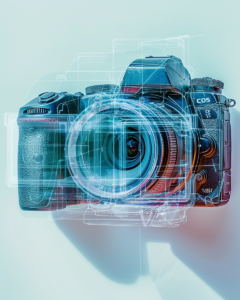
Advancements in technology have drastically transformed photography over the years, and the integration of artificial intelligence (AI) into cameras represents a significant leap forward.
This fusion not only enhances camera functionalities but also offers photographers unprecedented tools to refine their craft. AI-enabled cameras can now recognize scenes, optimize settings for the best possible exposure and composition, and even tag and sort images based on their contents.

The incorporation of AI into camera systems is also redefining post-processing workflows. Photographers can leverage AI for tasks such as noise reduction, sharpening, and even upscaling images without a loss in quality. AI algorithms are capable of editing photos to a near-professional standard with minimal human intervention, streamlining the editing process and allowing photographers to focus more on the creative aspects of their work.
The sophistication of AI means that now, even a beginner can take and edit photographs, to a standard which was until recently, the exclusive domain of professional photographers.
AI-Enhanced Features in Camera Technology
The advent of AI in cameras has brought a transformation in how photographers shoot, process, and enhance images. This section explores the specific AI features enhancing modern photography.
Evolution of AI Cameras
AI cameras have transformed from simple digital devices to complex systems with machine learning algorithms. This innovation has spurred AI image generators and smart features that now define the photographic experience.
AI in Shooting Modes and Composition
Today’s AI cameras provide a range of shooting modes from portrait to landscape. The AI optimizes settings for depth of field and composition, making use of scene recognition and eye detection for superior framing.
Software and Editing Integration
Editing software utilizes AI for tasks such as generative fill and real-time corrections. Integration with AI enhances the photo editing workflow, allowing photographers to automate routine image processing tasks.
Advances in Image Quality and Enhancement
AI-driven cameras offer super resolution and high dynamic range functions. Noise reduction, color correction, and auto white balance are AI-assisted to enhance image quality substantially.
Facilitating Different Photography Genres
AI technology tailors features to genres like portrait, sports, and wedding. Face detection and subject recognition augment reality, offering photographers new creative avenues, from illustration to fantasy.
Smart Features and Automation
Smart cameras possess facial and object recognition, enabling automated tracking and focus. Automation in AI cameras simplifies capturing the right moment in a variety of conditions.

Mirrorless Camera Terminology
Choosing the right camera technology depends on your needs and priorities. Here’s a breakdown of the key differences between full-frame mirrorless, APS-C mirrorless, and Micro Four Thirds (MFT) cameras:
Sensor Size:
- Full-frame: Largest sensor size, similar to 35mm film. Offers best low-light performance, dynamic range, and shallower depth of field. Bulkier and more expensive cameras.
- APS-C: Smaller than full-frame, offering a good balance between performance and portability. Less shallow depth of field and lower light performance compared to full-frame.
- Micro Four Thirds: Smallest sensor size, offering the most compact and lightweight cameras. Less low-light performance and shallower depth of field compared to larger sensors.
Image Quality:
- Full-frame: Generally excels in image quality due to larger sensor size, capturing more detail and dynamic range.
- APS-C: Good image quality, suitable for most photographic needs. May show limitations in high ISO situations compared to full-frame.
- Micro Four Thirds: Can still produce high-quality images, but low-light performance and dynamic range might be more noticeable.
Lens Selection:
- Full-frame: Widest range of lenses available, including native and adapted options. Generally heavier and more expensive.
- APS-C: Good selection of native lenses, with compatibility to wider ecosystems via adapters.
- Micro Four Thirds: Smaller lens selection compared to others, but compact and often lighter options.
Price:
- Full-frame: Most expensive due to larger sensors and advanced technology.
- APS-C: Mid-range option, offering good value for performance.
- Micro Four Thirds: Often the most affordable, particularly for compact models.
Weight and Size:
- Full-frame: Bulkiest and heaviest due to larger sensors and lenses.
- APS-C: Smaller and lighter than full-frame, offering good portability.
- Micro Four Thirds: Smallest and lightest, perfect for travel and everyday use.
Summary:
- Full-frame: Best low-light performance, image quality, and creative control. Bulky and expensive.
- APS-C: Good balance between performance, portability, and price.
- Micro Four Thirds: Compact, lightweight, and affordable. Lower image quality and creative control limitations.
Ultimately, the best choice depends on your needs. If image quality and low-light performance are paramount, full-frame is ideal.
For a balance of performance and portability, APS-C is good.
If compactness and affordability are priorities, MFT is a solid choice.
Consider your shooting style, budget, and priorities before making a decision.
Popular Mirrorless Cameras with AI Features
Here are some popular camera models for photographers that have AI-integrated features. There are a variety of price points and models to choose from:
Full-frame Mirrorless:
- Canon EOS R5/R6: Canon Quality Dual Pixel CMOS AF II with deep machine learning object detection for people, vehicles and animals. Comes with IBIS built in (stabilization) and 4K 120p internal recording.
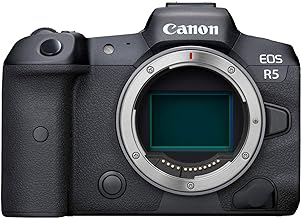
Canon EOS R5 camera
Nikon Z9: Nikon is a proven high end product and comes with stacked CMOS sensor and subject detection for people, animals and birds. The Z9 has the fastest continuous shooting speed in its mirrorless class at 20fps.
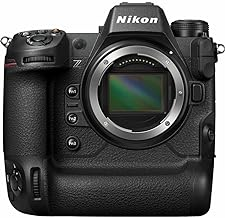
Nikon Z9 camera
Sony a7R IV: Sony uses Bionz XR processors for improved subject recognition and movement tracking. 7R has high-resolution sensors and excellent video capabilities.
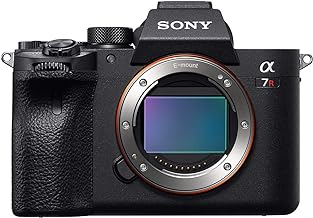
Sony a7R V camera
APS-C Mirrorless:
These cameras offer hybrid autofocus, with accurate face and eye detection. They also have in-built stabilization technology, film simulation for a variety of ehnaced imagery and 4K video recording.
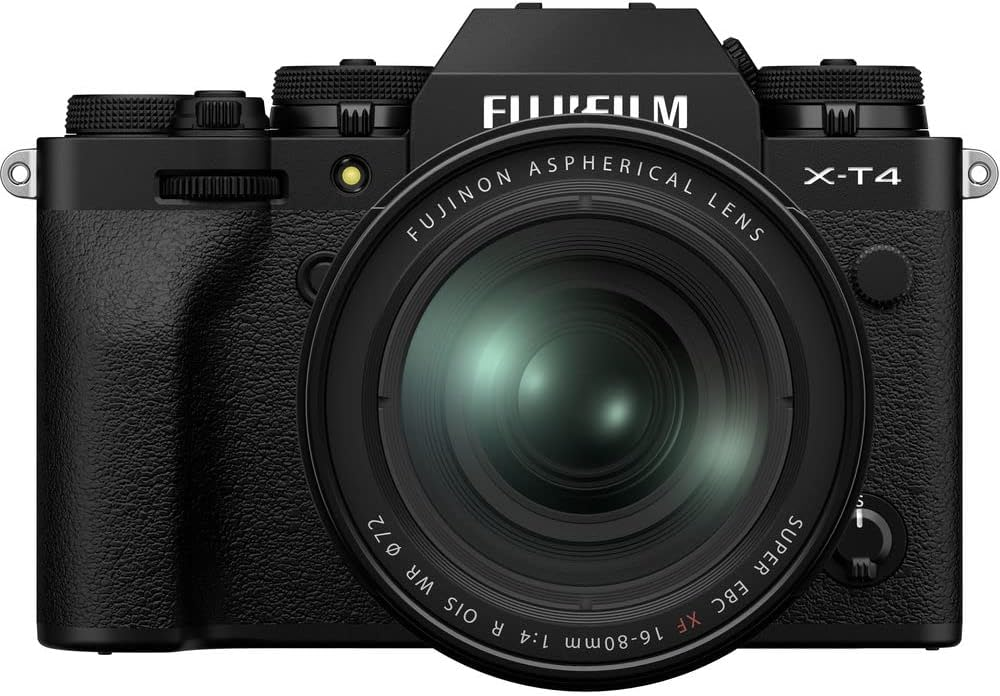
Fujifilm X T4 camera
Sony a6600: Sony is a market leader and this mirrorless camera has AI-powered subject recognition and tracking for moving objects. A tilting touchscreen LCD is a nice feature, along with seriously fast autofocus.
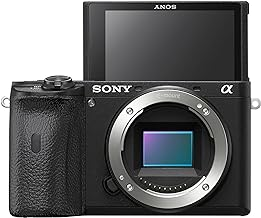
Sony a6600
Micro Four Thirds:
- Olympus OM 1: The OM models are cutting edge with high-resolution sensors and in-body image stabilization. Fast, accurate autofocus is a standout feature here.
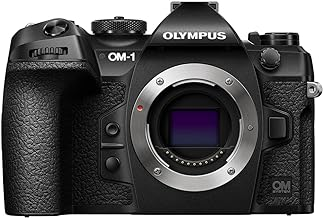
Olympus OM 1
Panasonic Lumix G9: Face, eye, and body auto focus detection, a high-resolution sensor and 4K 60p internal recording at a reasonable price make the Lumix a good option for all keen photographers.
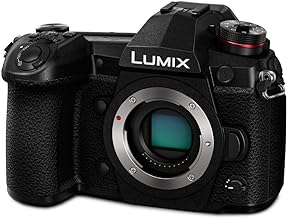
Panasonic Lumix G9
AI Algorithms and Ethical Considerations
AI algorithms raise ethical questions around creativity and reality. Machine learning and neural networks shape photo editing, but also prompt considerations of copyright and authenticity.
Hardware Innovations and Camera Performance
The progression of hardware in cameras with AI augments performance. Mirrorless and DSR cameras with AI have enhanced focus distance precision and overall speed, leveraging deep learning techniques.
Emerging AI Technologies in Photography
Emerging technologies like computational photography and AI image generation are redrawing the boundaries of possible. Systems like Dall-E 2 and Imagen exemplify AI’s growing role.
User Interface and Accessibility
AI integration seeks to simplify the user interface, enabling voice control and accessibility through prompts. This fosters an inclusive environment, making photography more user-friendly.
Security and Surveillance Applications
AI’s role in security systems is pivotal, with real-time subject tracking and facial recognition technology at its core. AI enhances protection while presenting new challenges in privacy.
Marketing, Copyrights, and the Future of AI Photography
AI’s impact on marketing and copyrights is profound. Photographers now face the challenge of distinguishing human-made art within a domain increasingly populated by AI.
Integration with Other AI Innovations
The fusion of photography with other AI fields like chat interfaces and video recording extends the creative toolkit available to photographers, integrating multiple AI innovations seamlessly.
Photography in the Age of AI: Ethical and Creative Aspects
The use of AI in cameras questions the boundaries between ethical use and creative freedom. AI-driven tools redefine traditional photography, blending illustration with palpable reality.
Maximizing Photographic Potential with AI Integration
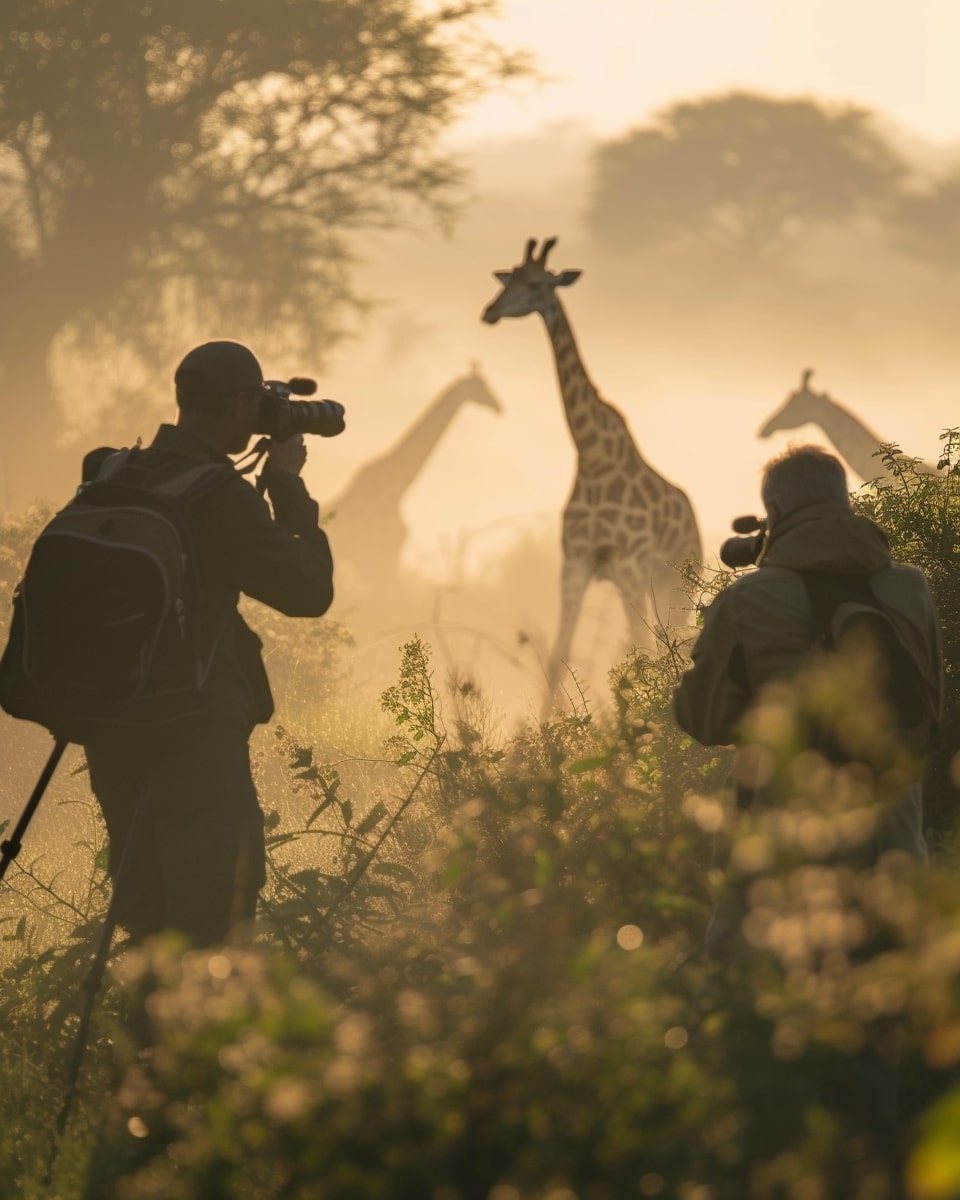
AI Integration in cameras is transforming how photographers approach their craft, from simplifying workflows to adding unprecedented creative dimensions. These advancements ensure better performance, innovative image capture techniques, and expanded capabilities for both DSLR and smart cameras alike.
Optimizing Workflow for Photographers
Photographers can significantly automate and streamline their editing process with AI software. For example, photo editors now use AI algorithms to sort and tag large collections of images, drastically reducing the time needed for manual cataloging.
- Automated Editing: Adjustments like white balance and exposure can be applied across a suite of photos instantly.
- Smart Categorization: AI can analyze and tag photos based on content, making searching through large libraries more efficient.
Enhancing Creativity with AI Tools
AI empowers photographers to push the boundaries of creativity.
- AI Image Generators: These tools can create a variety of visual effects that would be time-consuming to produce manually.
- Dynamic Editing: AI-driven portrait mode and background replacement are easily accessible, fostering new artistic expressions within conventional photography.
Improving Image Capture through AI
During image capture, AI technologies in cameras aid in producing high-quality photos in real-time.
- Focus Distance Optimization: AI analyzes scenes to adjust focus for sharper images.
- Image Stabilization: Even in challenging conditions, AI stabilizes the shot, resulting in clearer pictures.
Table: AI Features in Image Capture
| Feature | Description | Camera Types |
| AI Autofocus | Rapid focus adjustments for clarity | DSLR, Smart Cameras |
| Real-time Processing | Live enhancement of image quality | DSLR, Smart Cameras |
| Scene Recognition | Auto-adjust settings based on the scene | Smart Cameras |
Unlocking New Photographic Capabilities
AI integration is not just enhancing existing features; it’s enabling new possibilities in photography with features such as.
- Augmented Reality (AR): AI can overlay digital content in real-time, opening doors for hybrid photography.
- Ethical Considerations: As capabilities expand, ethical use of AI in photography becomes crucial to maintain integrity in the field.