
Ai Photo Editing and Enhancement
-
AI scene recognition optimizes exposure and focus, enabling you to concentrate on framing the perfect shot.
-
AI skin smoothing tools help you achieve flawless portraits, reducing editing time while keeping a natural look.
-
AI composition suggestions can guide you to create more compelling images, even suggesting the best photography angles and lighting conditions.
-
Low light photography is revolutionized by AI, with noise reduction algorithms ensuring clear, detailed images in challenging conditions.
Custom AI presets can streamline your workflow, providing consistency and efficiency across your projects.
We all strive for that crisp, clear image that captures the essence of our subject. AI tools are here to help us achieve that goal. They work tirelessly to enhance every pixel, ensuring that the final image reflects our artistic intent.
Can AI Replace Professional Retouching Techniques?
AI is incredibly powerful, but it’s not a complete replacement for the skill and artistry of professional retouching—at least not yet. AI can perform many standard retouching tasks quickly and efficiently, such as smoothing skin, removing blemishes, and even altering lighting effects. However, the nuanced judgment and creative decisions of a human retoucher are still invaluable for achieving the highest quality results, especially when it comes to understanding client needs and maintaining the integrity of the original image.
Embracing AI in Photography: A Path to Artistic Freedom
Imagine you’re out in the field, camera in hand, chasing the golden hour. The light is perfect, the scene is set, and you’re ready to capture that one-in-a-million shot. But just as you’re about to press the shutter, you hesitate. Is the exposure right? Will the focus do justice to the subject? Here’s where the magic of AI rendering in photography comes into play. It’s like having a seasoned pro looking over your shoulder, whispering the technical secrets that will elevate your image from good to breathtaking.
The Role of AI in Modern Photography
As photographers, we’re always looking for ways to improve our craft. AI is the latest tool in our arsenal, and it’s revolutionizing the way we capture images. Think of it as your personal assistant, tirelessly working behind the scenes to ensure every shot you take is the best it can be. AI doesn’t just make things easier; it opens up a world of possibilities that were previously out of reach.
Most importantly, AI can analyze a scene in real-time, adjusting settings for optimal exposure and focus. It learns from every image it processes, becoming more intuitive with each use. This means you can trust AI to handle the technicalities, allowing you to focus on what really matters: your vision and creativity.
How AI is Transforming the Photography Industry
From automated editing to predictive analytics, AI is changing the game. It’s not just about saving time; it’s about enhancing the quality of your work and pushing the boundaries of what’s possible. Whether you’re a professional photographer or an enthusiastic amateur, AI can help you achieve results that will amaze your audience and satisfy your artistic soul.
Because AI is constantly evolving, it’s an exciting time to be a photographer. The industry is buzzing with new developments, each more innovative than the last. And the best part? These tools are becoming more accessible, meaning anyone with a passion for photography can take advantage of them.
Let’s take a look at the advanced AI rendering techniques that will help you take your photography to the next level.

Mastering AI Tools for Enhanced Image Quality
What makes a photograph great?
In the past, photography and camera skills set arresting and memorable images apart from amatuer snaps. The same scene, captured by a professional or knowledgeable amateur; in comparison to one taken at random by somebody who happens to have a camera in their hand, was immediately noticeable.
Thanks to the rapid uptake of Ai technology in the photography world, enhanced editing whilst shooting with onboard AI and groundbreaking post editing with AI imaging tools is readily available to everyone today.
Does this mean the end of professional photographers?
It’s my opinion that nothing will ever be more powerful than the talent of the photographer to see, capture, frame and now, enhance the image. Photography is art. To create beautiful, balanced, visually appealing images requires talent and perception. Talent and perception are beyond the scope of AI (for now), as AI produces results based on human input.
Optimizing Exposure with AI Scene Recognition
Getting the right exposure can be tricky, especially in complex lighting conditions. But with AI scene recognition, your camera can instantly analyze the environment and make adjustments on the fly. It’s like having an expert by your side, making sure every shadow and highlight is perfectly balanced.
Here’s what you should do to take advantage of AI scene recognition:
-
Enable AI features on your camera or editing software.
-
Experiment with different scenes to see how the AI adjusts settings.
-
Review the images to understand the AI’s decision-making process.
By doing this, you’ll not only get better exposures but also learn from the AI’s adjustments, which can inform your manual settings in the future.
Perfecting Portraits with AI Skin Smoothing
Portraits are all about capturing the personality and essence of the subject. But let’s face it, skin imperfections can be distracting. AI skin smoothing tools are a godsend for portrait photographers. They allow you to quickly and effectively smooth out blemishes while maintaining the subject’s natural skin texture.
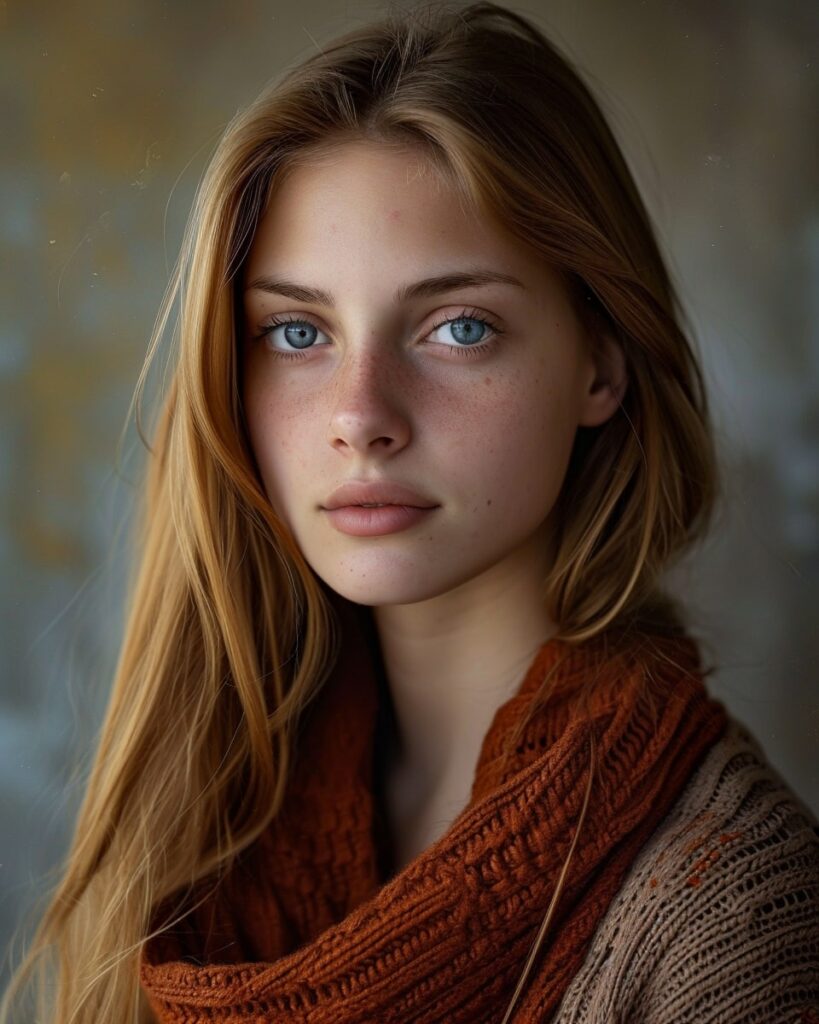
Here’s a simple step-by-step guide to perfecting portraits with AI:
-
Choose a portrait that you’d like to enhance.
-
Select the AI skin smoothing tool in your editing software.
-
Adjust the strength of the effect to achieve a natural look.
Remember, the goal is to enhance, not to alter the subject’s appearance drastically. AI helps you do just that, in a fraction of the time it would take to do manually.
“AI doesn’t just replicate the human touch, it enhances it, giving photographers the ability to create images that resonate on a deeper level.” – A renowned photographer’s reflection on AI in photography.
Besides that, AI can help you with other tedious tasks like removing unwanted objects or even suggesting the best crop for your image. It’s like having a personal editing assistant that knows exactly what you need.
Now, let’s move on to how AI can help you unlock your creative potentials with composition and beyond.
Adapting AI Tools for Unique Artistic Expression
The beauty of photography lies in its ability to capture the unique vision of the artist behind the lens. AI tools are not here to stifle that creativity; they’re here to amplify it.
By understanding and adapting AI tools to your workflow, you can push the boundaries of your artistic expression. These tools learn from your style and preferences, offering tailored suggestions that can inspire new ways of seeing and capturing the world.
AI is not creative in it’s own right, but can be used to streamline processes and quickly bring to life images from the photographers imagination.
Crafting the Night: AI Techniques for Low Light Mastery
Low light photography presents a unique set of challenges that can test the skills of even the most experienced photographers. But fear not, AI is here to light the way. Advanced AI rendering techniques are transforming night photography, enabling you to capture the night’s mood without sacrificing detail or clarity.
Maximizing Detail with Noise Reduction Algorithms
When the lights go down, noise goes up. It’s an issue that’s plagued photographers since the dawn of digital. But with AI, that grainy, speckled look can be a thing of the past. AI algorithms can now intelligently reduce noise, preserving the details that matter while smoothing out the rest. And the best part? It can do this without the softening effect that often comes with traditional noise reduction techniques.
Here’s how you can leverage AI for noise reduction:
-
Shoot your low light scene as you normally would, focusing on composition and exposure.
-
Import your image into an AI-powered editing software.
-
Activate the noise reduction feature and watch as the AI cleans up the image.
With AI, you can say goodbye to the frustration of noise and hello to crisp, clear night skies and vibrant evening cityscapes.

Embracing the Darkness: Creative Nighttime Shoots with AI
Nighttime is not just about capturing what you can see; it’s about what you can imagine. AI doesn’t just help with the technical aspects; it can inspire creative approaches to shooting in the dark. Use AI to experiment with different exposures and compositions, pushing your creative boundaries and discovering new nocturnal narratives.
And let’s not forget the role of AI in dynamic situations:
-
For scenes with moving subjects, AI can predict motion and help you capture sharp images in low light.
-
AI-powered cameras can automatically adjust ISO and shutter speed in response to changing light conditions.
-
AI can simulate long exposure effects, giving you the ability to create ethereal and surreal images without the need for additional equipment.
Embrace the darkness and let AI be your guiding light.
Streamlining Workflow with AI Presets
Time is of the essence in photography, and AI presets are like a shortcut to perfection. These presets can apply complex edits with a single click, ensuring your images have a consistent look and feel, which is essential for building a coherent portfolio. But it’s not just about speed; it’s about achieving a level of precision that is difficult to replicate manually.
Creating and Applying Custom AI Presets
One of the most powerful features of AI in photography is the ability to create custom presets. These presets can encapsulate your unique style and apply it consistently across your work. Here’s how to create your own AI presets:
-
Start by editing an image to your liking, using all the AI tools at your disposal.
-
Once you’re satisfied with the look, save the settings as a new preset.
-
Name the preset something memorable, and it will be ready for you to use on future images.
With your custom AI presets, you can maintain a consistent aesthetic across various shoots and projects, all while saving valuable time.
Consistency and Efficiency with Presets
Consistency is key in photography, especially if you’re working on a series or a project that requires a uniform look. AI presets not only save you time but also ensure that each image in your series matches the others in terms of tone, color, and mood. This consistency is what sets professionals apart from amateurs, and AI makes it easier than ever to achieve.
Efficiency, on the other hand, is about making the most of your time. With AI presets, you can apply complex edits to a batch of images, freeing you up to focus on shooting rather than spending hours in front of a computer screen.
Interactive Learning: Teaching Moments in AI Photography
Use AI as you teacher. Every time you use Ai in your photography, you’re learning. Whether it’s understanding how the AI achieved a particular edit or seeing how it suggests improving a composition, these teaching moments are invaluable for photographers looking to refine their skills.
Learning Through AI-Suggested Edits
When you apply an AI-suggested edit, take a moment to analyze what changed. Did the AI adjust the shadows, increase the saturation, or change the crop? Understanding these changes can provide insights into how you might approach your edits in the future. It’s a learning loop that continually enhances your skills.
Building Skills with Intelligent Composition Assistance
Composition is an art, and AI can be your muse. By suggesting framing options and guiding you towards more impactful images, AI composition assistance helps you develop an eye for what works. Use these suggestions as a starting point, and then add your personal touch to make the image truly yours.
And remember, AI is a tool to enhance your skills, not replace them. Use it to learn and grow, but always trust your creative instincts.
Future Focus: Innovations in AI Rendering for Photography
The future of photography is bright, and AI is leading the charge. We’re on the cusp of a new era where AI doesn’t just assist with editing; it helps with the entire creative process. From suggesting the best moments to capture to offering new ways to view our work, AI is an ever-present partner in our photographic journey.
Here’s a glimpse into what the future holds:
-
AI that can analyze the emotional impact of an image and suggest edits to enhance it.
-
Tools that can seamlessly merge AI with virtual reality, creating immersive photographic experiences.
-
Algorithms that can learn your style and create custom filters that mimic your preferred aesthetic.
As AI technology continues to evolve, so too will our capabilities as photographers. The possibilities are endless, and the future is ours to shape.
Hybridizing AI with VR for Enhanced Photographic Realism
As we peer into the future of photography, AI and virtual reality (VR) stand out as two frontiers with the potential to further enhance photographic realism. Imagine being able to step into a scene you’ve photographed and experience it in a fully immersive way. AI can analyze and render images for VR, creating a seamless blend of real and virtual worlds. This hybridization is not just about innovation; it’s about creating a deeper connection with the viewer, offering an experience that transcends traditional photography.
Frequently Asked Questions
What is AI Scene Recognition and How Does it Help Photographers?
-
AI scene recognition is a technology that enables cameras to identify and adjust to the content within a scene automatically.
-
It assists photographers by optimizing settings such as exposure, focus, and color balance, making it easier to capture a well-composed shot.
-
The technology saves time and allows photographers to focus on the creative aspects of their work.
AI scene recognition is a game-changer for photographers of all levels, simplifying the technical aspects of capturing a great photo and allowing more room for creativity.
By analyzing various elements like light, shadows, and subjects, AI scene recognition adjusts camera settings in real-time for the best possible outcome. It’s particularly useful in challenging or rapidly changing environments, ensuring that you don’t miss that golden shot.
So, whether you’re shooting a bustling cityscape or a serene landscape, AI scene recognition can help you capture the essence of your subject with less fuss and more artistry.
How Do AI Presets Differ from Traditional Camera Presets?
Traditional camera presets are a set of predefined settings that apply a specific look or style to a photo. AI presets, on the other hand, are more dynamic. They can learn from your editing style and create presets that are tailored to your preferences. This means that over time, AI presets can become more personalized, leading to a more consistent style in your photography that still retains your unique touch.
Is AI in Photography Accessible to Amateur Photographers?
Yes, AI in photography is becoming increasingly accessible to amateur photographers. Many modern cameras and smartphones now come with built-in AI features, and there are a plethora of editing apps and software that make these advanced techniques available to everyone. The key is to start experimenting with these tools and to not be afraid of leveraging technology to enhance your photography.
What Are the Ethical Considerations of Using AI in Photography?
When it comes to AI in photography, ethical considerations must be taken into account. These include the potential for AI to be used in creating deepfakes or altering images in a way that misrepresents reality. There’s also the question of data privacy and the use of AI in facial recognition. Photographers should use AI responsibly, ensuring that their use of the technology aligns with ethical standards and respects the subjects of their photography.
In conclusion, advanced AI rendering techniques are reshaping the landscape of photography, offering tools that enhance image quality, streamline workflows, and expand creative possibilities. While AI can significantly augment the photographer’s toolkit, it does not replace the need for a photographer’s vision and artistic judgment. As the technology continues to evolve, it’s crucial for photographers to stay informed, experiment with new tools, and consider the ethical implications of their work. With AI as a partner in the creative process, the future of photography is bright and full of potential.