
2024: AI Will Disrupt Traditional Phtography
-
AI is quickly revolutionizing photography by simplifying complex editing processes and enhancing image quality.
-
Photographers can leverage AI-powered tools to refine their work and streamline their workflow.
-
Real-time image optimization with AI allows for instant improvements in composition and lighting.
-
Understanding the ethical implications of AI in photography is crucial, especially regarding bias and privacy.
-
The future of photography includes AI-AR integrations and even smarter cameras, changing the landscape of visual creativity.
-
Worldwide availibility of AI programs such as DALL-E and Mid Journey allows anyone to create amazing, photo like images.
Snapshot: How AI is Transforming Photography in 2024
The future is here. Today’s cameras not only capture what you see but also understand and enhance it in real-time.
Artificial intelligence (AI) was a futuristic concept, projected to develop sometime in the far away future. It was science fiction 20 years ago and even 10 years ago, the idea of voice controlled home automation and self driving cars sounded way out there and fantastic.
Today at the start of 2024, the technology incorporating AI is moving so quickly it is almost impossible to predict how it will have evolved by this time next year. Our lives are changing because of AI. Across all industries, workflow and jobs are being disrupted by machine learning , and photography has been massively impacted in a very short time.
From amateur enthusiasts to professional shutterbugs, AI is making a monumental impact on how we capture, process, and enjoy photographs.
The image below was created in around 2 minutes in Mid Journey, an AI image creating program which is freely available and inexpensive. It was rendered using the following simple command: an example of a perfectly crafted photograph of a white bird in the snow with a single red flower growing on a nearby tree. High definition photo realism –ar 4:5 –v 6.0
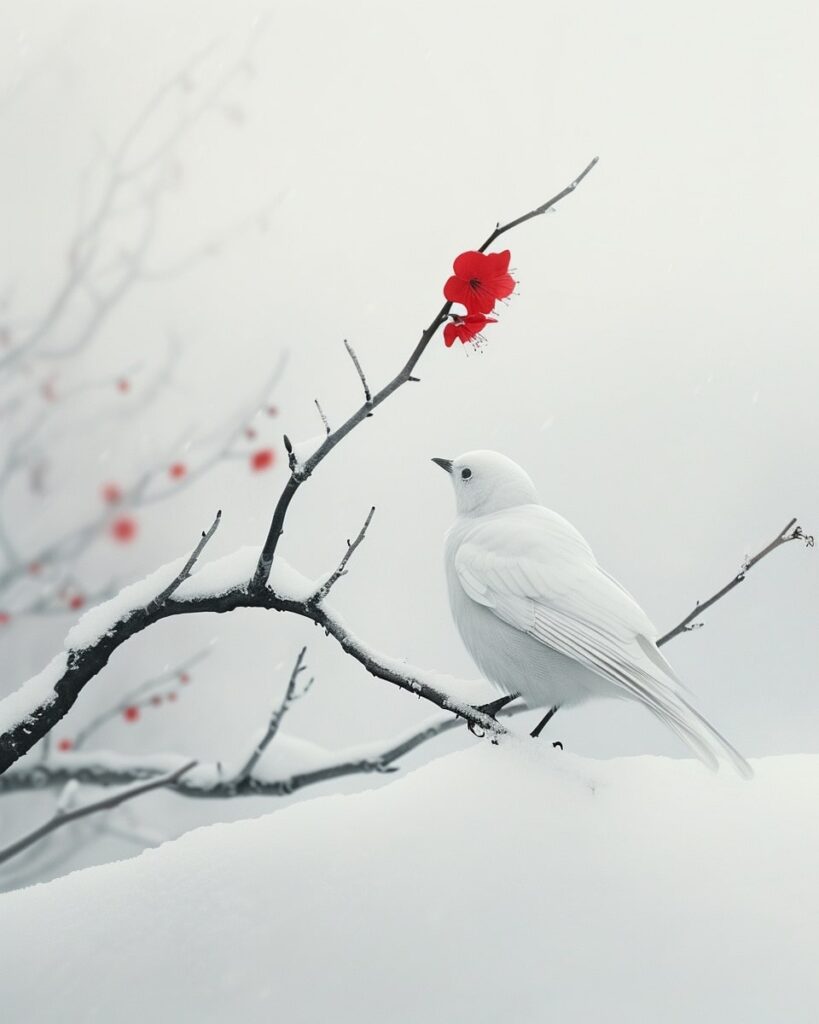
At first glance, this looks like a perfectly composed photograph of a tricky subject. White on white can be hard to capture, but the bird is sitting in perfect position with a contrast of spot color in exactly the right place to frame it’s tiny size.
A real photograph like this would have represented hours of work for any photographer. They would have required the skills to understand light, focus, composition and range of other technical factors for using a manual camera. That is even before finding the perfect opportunity for a photo such as this, and before digital cameras, developing the film in a dark room.
It’s mind blowing to consider that this was created by a machine, from words conjured from my imagination in a matter of seconds. That is why AI has had, and will continue to have, a revolutionary impact on all aspects of photography and videography.
The AI Difference in Modern Photography
AI isn’t just changing the game; it’s rewriting the rules. Gone are the days when post-processing was a time-consuming task reserved for those with advanced skills. Today, AI does it for you, analyzing and adjusting images with precision that rivals—and often surpasses—the human eye. It’s accessible to anyone, so whether you’re snapping shots on your smartphone or setting up a DSLR, AI tools are at your fingertips, ready to transform your images into masterpieces.
Can AI in Photography Truly Learn Creative Intuition?
AI can analyze and replicate patterns in successful photographs, but can it replicate the human touch of creativity? While AI can suggest compositions and enhancements based on vast datasets, the soul of a photograph—the story it tells and the emotions it evokes—remains the domain of the human photographer. AI is a tool, not a replacement for the creative intuition that each photographer brings to their work.
Simplifying Complex Techniques with AI
Let’s talk about exposure bracketing, a technique used by professionals to get the perfect lighting. It used to be a complex process, but AI has simplified it to a single click. AI algorithms can now analyze the light in a scene and automatically adjust the camera settings to capture the best exposure. This means you can spend less time fiddling with dials and more time capturing the beauty around you.
The AI Photographer’s Toolkit
What does an AI-powered photography toolkit look like? It’s brimming with intuitive software and gadgets that anticipate your needs and adapt to your style. Imagine editing software that learns your preferences and suggests adjustments, or cameras equipped with AI that can track subjects with uncanny accuracy. It’s happening now, and with technology moving at warp speed it’s impossible to predict what new technology is being developed to futher incorporate AI.
Software That Thinks Like a Pro
AI-driven software is like having a seasoned photographer sitting beside you, guiding your every move. It analyzes thousands of images to learn what makes a photo great and applies this knowledge to your work. Want to enhance the skies in your landscape shots? AI can do that. Need to remove an unwanted object? Just point, click, and it’s gone, as if it was never there. Is seeing believing? Not any more.
Gadgets Powered by AI
But it’s not just software; the hardware is getting smarter too. Cameras and drones with built-in AI can recognize faces, track moving subjects, and even predict where they’ll move next. These smart gadgets allow you to focus on the creative side of photography, while they take care of the technical details.
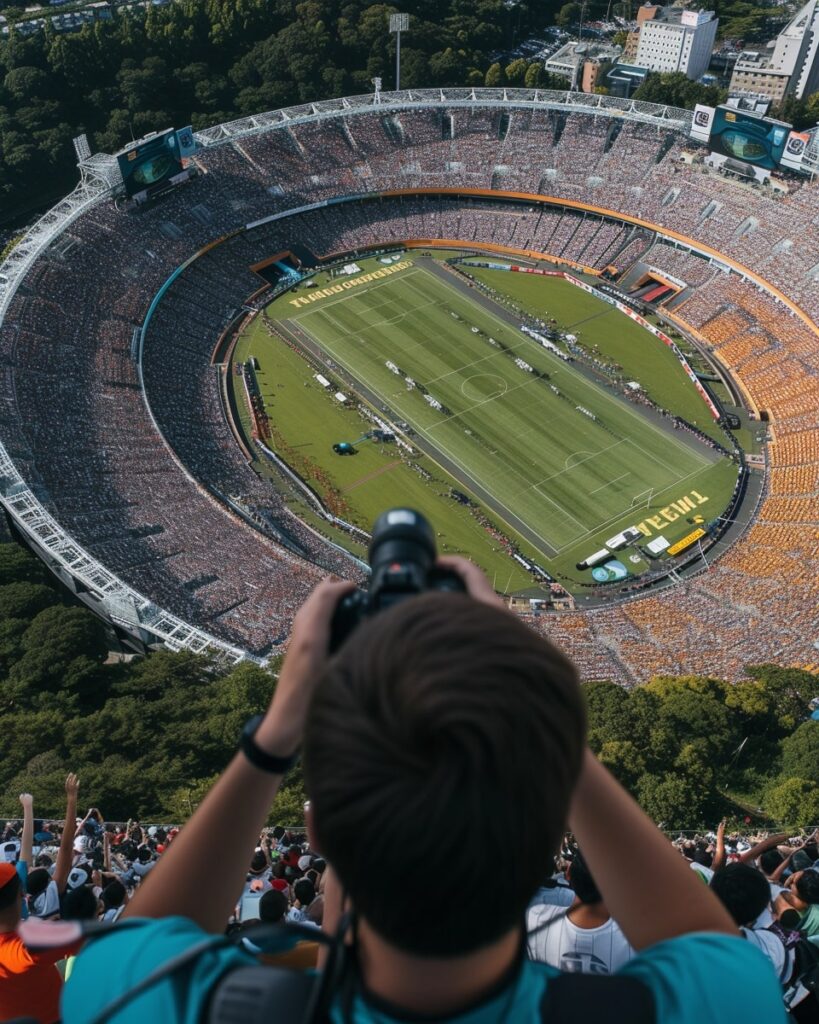
AI-Assisted Photo Editing: A Step-by-Step Guide
For those who are new to AI-assisted photo editing, let’s break it down. First, you’ll want to select an AI-powered editing tool—there are many available, some even built into your phone’s camera app. Next, upload your photo and let the AI analyze it. In seconds, it will suggest edits based on color balance, composition, and more. You can then fine-tune these suggestions to your liking, or let the AI do its magic. With each use, the software learns your preferences, making the process faster and more personalized every time.
Real-Time Image Optimization
Let’s dive into one of the most groundbreaking features of AI in photography: real-time image optimization. As you frame your shot, AI algorithms work tirelessly behind the scenes, analyzing and adjusting various parameters such as exposure, focus, and color balance. This isn’t just about making pictures look pretty; it’s about capturing the essence of the moment as accurately and beautifully as possible. The AI ensures that the lighting is just right, the details are crisp, and the colors pop. It’s like having a personal assistant who knows exactly how you want your photos to turn out.
Deconstructing Computational Photography
Computational photography is a term that sounds complex, but it’s simply the result of combining photography with computer processing. This is where AI really shines. By leveraging algorithms, computational photography can combine multiple images, take the best elements from each, and stitch them together into a single, perfect photo. This technique is especially useful in challenging lighting conditions, such as high dynamic range (HDR) scenes, where you have extreme contrasts between light and dark areas.
Automated Curation and Photo Management
For photography enthusiasts, managing a growing collection of images can be daunting. But, AI is here to help. With automated curation, AI can sort through your photos, tagging and organizing them by subjects, locations, and even the people in them. This means you can find any photo in an instant, without having to scroll through thousands of images.
Photo management has been a task for professional photographers who often have hundreds or even thousands of images to organise. AI not only knows your entire collection inside out but also loves keeping it meticulously organized.
AI Ethics: Navigating the New Photography Landscape
As we embrace the convenience and capabilities of AI, we must also consider the ethical implications. AI systems are only as unbiased as the data they’re trained on. Therefore, it’s crucial to ensure that the imagery used to train AI reflects diversity and does not perpetuate stereotypes. As photographers and creators, we hold the power to influence this training process and must advocate for ethical practices in AI development.
Tackling Bias in AI Imagery
Confronting bias in AI is not just about fairness; it’s about accuracy and authenticity in the art of photography. By feeding AI a more diverse dataset, we can help it learn to recognize and represent the full spectrum of human beauty and diversity. This is not a one-time fix but an ongoing commitment to inclusivity and representation in the visual stories we tell.
-
Ensure diverse datasets for AI training to reduce bias.
-
Advocate for transparency in AI development processes.
-
Regularly update AI systems with new data to reflect the evolving world.
Most importantly, we must stay informed and involved in the conversation around AI ethics in photography. By doing so, we can ensure that AI serves as a tool for empowerment and creativity.

Privacy in the Age of AI Cameras
In a world where cameras are becoming more intelligent, privacy concerns naturally arise. AI cameras that can recognize faces and track individuals raise questions about consent and data security. It’s essential for photographers to be mindful of these issues and for technology developers to build systems that protect individual privacy. Transparency and control over personal data must be prioritized to maintain trust in this rapidly evolving field.
The Future Click: Predictions for AI in Photography
Looking ahead, the integration of AI in photography is only going to deepen. We can expect cameras that not only understand our artistic vision but also anticipate our needs before we even express them. AI will continue to break down barriers, making high-quality photography more accessible and allowing us to focus on the joy of capturing moments.
Interactive Photography with AI and AR Integration
Imagine a future where photography is not just about capturing a moment but interacting with it. AI and augmented reality (AR) integration promises just that. Soon, we might see photographers using AR glasses to visualize and manipulate their images in real-time, blending the real and the virtual in ways we’ve only dreamed of.
Next-Gen Cameras: Smarter than Ever
As we move forward, cameras will evolve to become even more intelligent. They’ll learn from each image taken, offering suggestions to improve composition or alerting the photographer to aspects of the scene they might have missed. These next-gen cameras won’t just be tools; they’ll be creative partners in the photographic process.
The impact of AI on photography is profound and far-reaching. It’s not just changing how we take and edit photos; it’s transforming our relationship with the art of photography itself. As we look to the future, one thing is clear: the possibilities are as limitless as our imagination, and the journey there will be nothing short of extraordinary.
Real-Time Image Optimization
Imagine you’re standing before a breathtaking sunset, camera in hand, ready to capture the moment. But instead of worrying about the technicalities, your camera’s AI is already optimizing the image in real-time. It’s adjusting the exposure, balancing the colors, and sharpening the details, ensuring that what you see is what you get in the final shot. This is the power of AI in photography; it’s like having an expert by your side, ensuring every shot is gallery-worthy.
Deconstructing Computational Photography
Computational photography might sound like something out of a sci-fi movie, but it’s very much a reality. It allows us to capture images in ways that were previously impossible. For instance, when shooting in low light, AI can combine multiple exposures to create a clear, well-lit image without the noise typically associated with such conditions. It’s not magic, it’s mathematics, and it’s changing the way we think about photography.
Automated Curation and Photo Management
With AI, organizing your ever-growing photo library is no longer a chore. AI can automatically tag and sort your photos by recognizing faces, scenery, and even emotions. This means you can find that one photo of a laughing friend or a serene landscape in seconds, not hours. It’s like having a personal assistant who knows your photos as well as you do, maybe even better.
The Future Click: Predictions for AI in Photography
The future of photography is intertwined with AI. We’re heading towards a world where cameras not only capture what we see but also understand and enhance it in unprecedented ways. AI is set to open up new horizons in photography, making it more accessible, more creative, and more interactive than ever before.
Interactive Photography with AI and AR Integration
The next big thing in photography could be the integration of AI with augmented reality (AR). Imagine putting on a pair of AR glasses and being able to adjust your composition, lighting, and even apply filters in real-time, right before your eyes. This technology is on the horizon, and it promises to make photography an even more immersive and interactive experience.
Frequently Asked Questions (FAQ)
As we explore the intersection of AI and photography, several questions arise. Let’s address some of the most common inquiries to shed light on this evolving landscape.
How Does AI Enhance Photo Editing for Beginners?
For beginners, photo editing can be daunting. But AI simplifies this process by automating complex tasks like removing objects, enhancing colors, and sharpening images. With AI, beginners can achieve professional-looking results without needing to spend years mastering editing techniques. It’s a supportive stepping stone that allows new photographers to focus on developing their unique vision.
Are There Privacy Concerns with AI-Powered Cameras?
Yes, privacy is a significant concern with AI-powered cameras, especially those with facial recognition capabilities. It’s vital to use these tools ethically, obtaining consent when photographing individuals and being transparent about how the images will be used. Photographers must navigate these concerns carefully to maintain the trust of their subjects and the public.
Will AI Replace Human Photographers?
AI is transforming photography, but it’s not replacing human photographers. Instead, it’s augmenting our abilities, removing the tedium of technical tasks, and allowing us to focus on the creative aspects of photography. The human element—our perspective, emotions, and stories—is irreplaceable, and that’s where the true artistry of photography lies.