
Mirrorless Camera Choices for Wedding Photography
-
AI mirrorless cameras offer advanced features like eye autofocus and subject tracking that are perfect for advanced wedding photography.
-
The Canon EOS R5 stands out with its high resolution and sophisticated AI functions.
-
Sony A7 IV is lauded for its versatility, making it an excellent all-rounder for both stills and video.
-
Nikon enthusiasts will find the Nikon Z6 II to be a familiar yet powerful upgrade for wedding shoots.
-
The Fujifilm GFX 100S brings medium format quality with AI features, ideal for those seeking exceptional detail.
How to Pick Between Full-Frame and Crop Sensors for Weddings?
Choosing between full-frame and crop sensors is a significant decision. Full-frame sensors offer better performance in low light and a shallower depth of field, which can be very flattering in portraits. On the other hand, crop sensors provide a deeper depth of field and are generally more affordable. When photographing weddings, the ability to isolate your subjects and perform well in various lighting conditions often makes full-frame the preferred choice. However, crop sensors can be advantageous for their extended reach with lenses, which can be useful in large venues.
Can AI Mirrorless Cameras Handle the Frenzy of a Wedding?
Absolutely. AI mirrorless cameras are built for speed and agility. They can track moving subjects, adjust focus on the fly, and make split-second exposure decisions. This means as the wedding pace picks up, from the first kiss to the dance floor’s frenzy, your camera is right there with you, capturing sharp images without missing a step. Their robust build and fast processors are more than capable of keeping up with the action.
Freezing the Moment: Best AI Mirrorless Cameras for Weddings
Let’s discover how AI functions can elevate your wedding photography to new heights. Whether you’re in the midst of a dimly lit dance floor or capturing a swift exchange of smiles, AI technology ensures you never miss a beat. It’s about being at the right place, at the right time, with the right gear.
Advancements in AI Technology for Cameras
AI technology in cameras has come a long way, revolutionizing how we capture images. In the context of wedding photography, AI enables your camera to make intelligent adjustments in real-time. It can recognize faces, track moving subjects, and even predict where to focus next. This means you can concentrate on composition and let the camera handle the technicalities.
Imagine photographing a bride walking down the aisle; her expression is the most important element. With AI-powered eye autofocus, your camera locks onto her eyes, ensuring they are sharp in every frame. This feature is not just impressive; it’s invaluable in capturing the essence of the wedding day.
Choosing the Perfect Camera for Wedding Photography
When selecting a camera for weddings, consider the following criteria:
-
Autofocus speed and accuracy, particularly in low light
-
Image quality, which includes resolution and color reproduction
-
Dual memory card slots for immediate backup
-
Reliable battery life to get you through a day’s shoot
-
Weather-sealing for those unexpected outdoor conditions
With these factors in mind, let’s explore some of the best AI mirrorless cameras that meet these needs and more.
Understanding the Role of AI in Modern Wedding Photography
AI is a tool that empowers you to deliver stunning images under the dynamic conditions of a wedding. Fast-paced and full of surprises, weddings challenge even the most seasoned photographers. AI steps in to provide a safety net, ensuring technical precision so you can focus on the artistry.
AI Features That Enhance Wedding Shots
AI features in modern cameras are designed to handle the unpredictable nature of weddings. They include:
-
Eye Autofocus (Eye-AF) for tack-sharp portraits
-
Real-time Tracking for moving subjects
-
Face recognition to prioritize the bride and groom in group shots
-
Intelligent exposure adjustments to cope with changing light conditions
These AI capabilities mean that whether you’re snapping a quick candid or setting up a posed group shot, your camera is an active participant in the process, adjusting and adapting just as quickly as you are.
How AI Assists in Low Light and Fast Action Scenarios
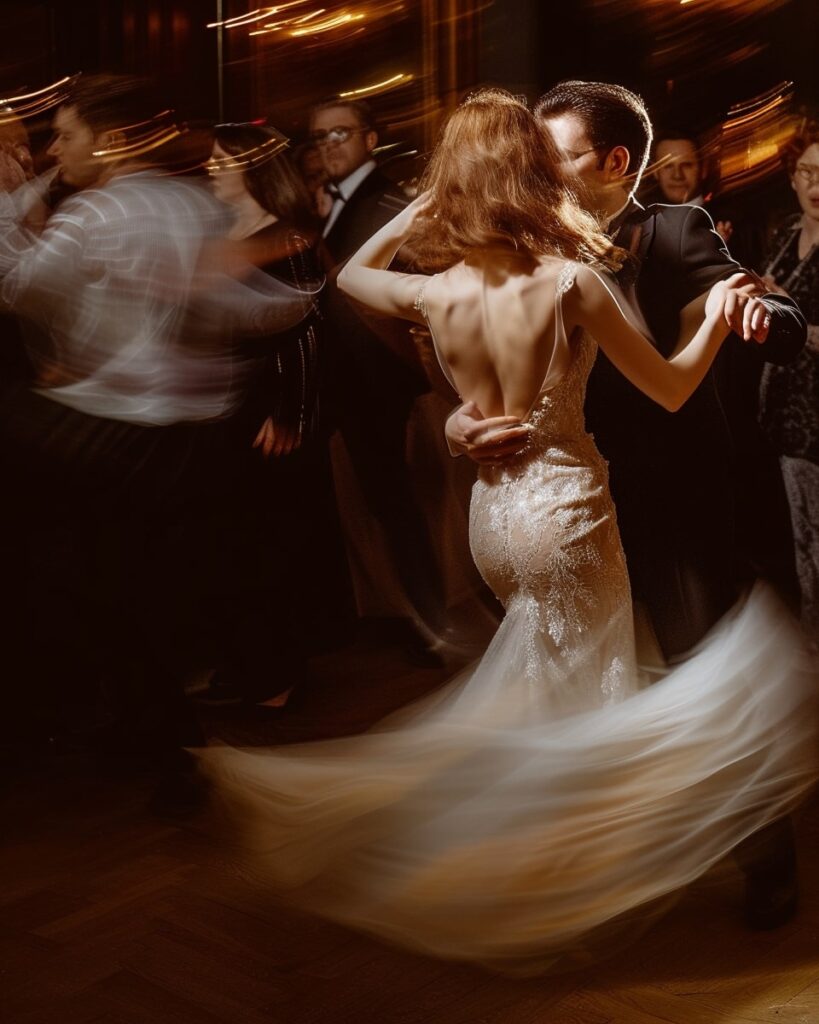
Weddings don’t stop when the sun goes down, and neither should your camera’s performance. AI excels in low light, maintaining focus and exposure without missing a beat. Fast action scenarios, like the first dance, are equally demanding. Here, AI’s subject tracking ensures that every whirl and twirl is captured with precision. This is where the fusion of technology and creativity truly shines.
Now, let’s take a closer look at some of the top contenders in the AI mirrorless camera market and see how they stack up in real-world wedding scenarios.
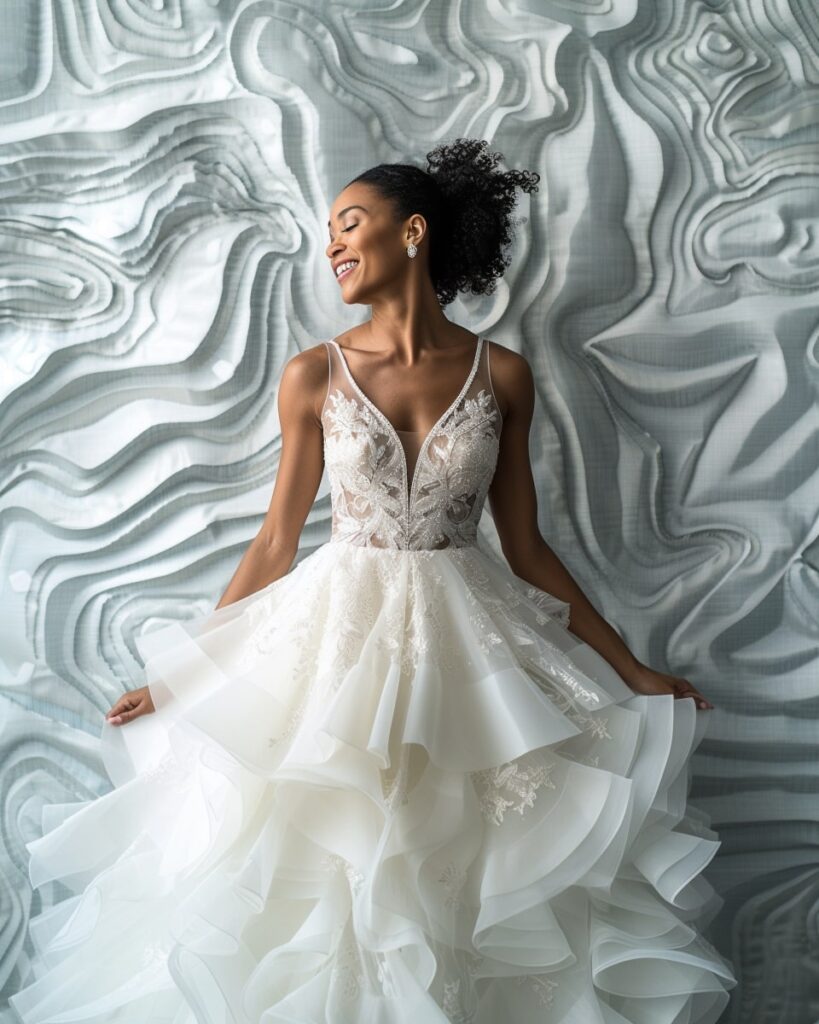
Canon EOS R5: A Staple for Pristine Quality
The Canon EOS R5 is a powerhouse that has rapidly become a favorite among wedding photographers. It boasts a 45-megapixel full-frame sensor that captures images with stunning detail. But what sets it apart in the realm of AI is its uncanny ability to lock onto subjects with its sophisticated Eye-AF system, even amidst the chaos of a wedding celebration.
Additionally, the R5’s in-body image stabilization (IBIS) works wonders when you’re shooting handheld in low-light conditions, allowing you to drop your shutter speed without the fear of blur. The dual card slots offer peace of mind, ensuring that every shot is backed up the moment it’s taken.
Most importantly, the Canon EOS R5’s AI-driven autofocus system is not just fast; it’s eerily intuitive, often feeling like an extension of your own photographic instincts. This is the kind of camera that lets you stay in the moment, capturing the laughter, tears, and joy with confidence that the technical side is fully covered.
Sony A7 IV: The All-Rounder for Stills and Videos
Sony’s reputation for pushing the boundaries of camera technology is well-earned, and the A7 IV is no exception. This camera is a true all-rounder, offering a 33-megapixel sensor that strikes an excellent balance between resolution and low-light performance.
The A7 IV shines with its video capabilities, boasting 4K recording that’s perfect for those cinematic wedding shots. But it’s the Real-time Tracking and Eye-AF where the AI really comes into play, ensuring your subjects are always in focus, whether they’re saying their vows or dancing the night away.
Because the demands of wedding photography are so vast, having a camera that excels in both stills and video is a significant advantage. The Sony A7 IV meets this challenge head-on, making it a brilliant tool for capturing every aspect of the wedding day.
Nikon Z6 II: The Choice for Nikon Enthusiasts
If you’ve been a longtime fan of Nikon’s ergonomics and color science, the Z6 II will feel like coming home. It’s an upgrade that brings familiar Nikon strengths into the age of AI. The Z6 II’s 24.5-megapixel sensor provides excellent image quality, and the camera’s AI capabilities, including Eye-AF and Animal-Detection AF, are particularly useful when photographing outdoor weddings with furry friends.
The Z6 II’s dual processors make quick work of image processing, allowing for rapid-fire shooting that’s essential when capturing fleeting moments. Plus, the robust build quality means it can handle the rigors of wedding photography, from the prep to the last dance.
Therefore, if you’re invested in Nikon and want a mirrorless camera that can leverage AI without skipping a beat, the Nikon Z6 II is a compelling option. It balances tradition with innovation, providing a comfortable transition for DSLR aficionados into the mirrorless world.
Fujifilm GFX 100S: Bringing Medium Format to Weddings
For those who yearn for medium format’s unparalleled detail and depth, the Fujifilm GFX 100S is a dream come true. This beast of a camera offers a staggering 102-megapixel sensor that can capture the subtleties of a wedding dress’s texture or the intricate details of a floral arrangement like no other.
But don’t let its size fool you; the GFX 100S is equipped with AI features that make it surprisingly nimble in a wedding setting. The autofocus system is snappy, and face/eye detection ensures your portraits have the impact that only medium format can provide.
While it’s true that the GFX 100S comes at a premium, for those who prioritize image quality above all else, it’s an investment that pays dividends in the level of detail and richness your wedding albums will exhibit.

Maximizing Your Camera’s AI for the Big Day
Having the right camera is one thing, but knowing how to maximize its AI features can take your wedding photography to the next level. It’s all about understanding the capabilities at your disposal and using them to your advantage.
AI technology in cameras is designed to be intuitive, but taking the time to familiarize yourself with the various settings and options will pay off. Here are a few tips to help you get the most out of your AI mirrorless camera on the wedding day:
Setting Up for Success: AI Customization Tips
Before the big day, take the time to customize your camera’s AI settings. This might include adjusting the sensitivity of the Eye-AF, setting up subject recognition to prioritize the bride and groom, or programming custom buttons for quick access to essential AI functions.
Remember, AI is there to assist, not to take over. Use it as a tool to enhance your skills, not replace them. By tailoring the AI to your shooting style, you’ll find it becomes a seamless part of your workflow, allowing you to focus more on the creative aspects of wedding photography.
Leveraging AI for Capturing Candid Moments
One of the most magical aspects of wedding photography is capturing those candid, unscripted moments. AI can be a powerful ally here, with features like Real-time Tracking and silent shooting modes. You can stay unobtrusive, blending into the background while your camera keeps up with the action.
Whether it’s a tearful parent or a group of friends laughing, AI helps ensure you’re always ready to capture the moment with clarity. And because these features work so quickly and quietly, you won’t distract from the intimacy of the moment — you’ll simply be there to document it.
AI in Post-Production: Streamlining Your Workflow
After the wedding is over, the work continues. Post-production can be time consuming, but AI doesn’t stop at the camera. Many editing software options now include AI-driven tools that can speed up your editing process. From culling to color correction, AI can help you maintain consistency across hundreds of images, turning a week’s worth of work into mere hours or less.
For example, AI can automatically tag and sort images based on the subjects’ faces, making it easier to create albums for the bride and groom. Or, it can suggest edits based on the style of photos you typically produce, giving you a head start on achieving the look you’re known for.
Your Questions Answered
Are AI Functions Worth the Extra Cost for Wedding Photography?
Investing in AI functions is a smart move for wedding photographers. These features significantly reduce the number of missed shots and improve overall image quality. In a high-pressure environment where you only get one chance to capture a moment, AI’s reliable autofocus and exposure adjustments are invaluable. They allow you to deliver consistently excellent results to your clients, which can enhance your reputation and lead to more business.
How Does Eye-AF Make a Difference in Wedding Photography?
Eye-AF is tailor made for capturing expressive portraits. By locking onto the eyes of your subjects, it ensures the most crucial part of the portrait is tack sharp. This is particularly useful during emotional moments like vows or speeches, where you might have only a split second to capture a tear or a loving glance. Eye-AF allows you to focus on composition and timing, confident that your camera will take care of the focus.
What Backup Options Do AI Cameras Offer for Wedding Shoots?
Most high-end AI mirrorless cameras come with dual memory card slots, allowing for real-time backups. This means every photo you take is saved to two cards simultaneously, which is essential for the irreplaceable moments you’re capturing. Additionally, many of these cameras are equipped with robust wireless connectivity, enabling you to backup images to cloud services or a laptop on location, ensuring that even in the event of a hardware failure, your images are safe.