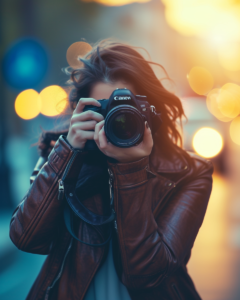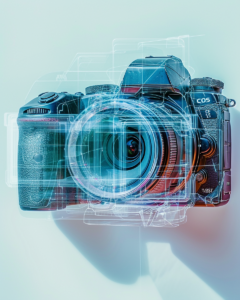

Understanding AI Photo Composition
-
AI in photography helps beginners by suggesting optimal compositions and camera settings.
-
Understanding the basics of AI can greatly improve your photo composition skills.
-
AI uses rules like the Rule of Thirds to enhance photo framing.
-
AI can assist with subject placement, ensuring the main focus of your photo stands out.
-
AI tools are valuable for managing light and exposure, as well as post-processing.
What Is AI in Photography?
It’s a blend of technology and artistry that analyzes your scenes and provides suggestions on how to improve your composition. AI algorithms can quickly process visual information and offer real-time guidance, much like an experienced photographer would.
AI offers fast analysis of light, depth of field and other technical aspects which help create compelling and interesting photographs. This allows you, the photographer, to focus on selecting the best subjects and shoot, knowing that behind the scenes the fine details are being handled with skill.
Can AI Really Improve My Photography?
Absolutely. AI can offer guidance on composition, lighting, and editing that can significantly enhance the quality of your photos. By following AI’s suggestions, and using the right camera, you can learn and apply professional techniques that would take much longer to master on your own.
Is AI-Assisted Composition Cheating?
Not at all. Think of AI as a tool, similar to how a painter uses brushes or a writer uses a word processor. It’s there to assist and enhance your creative process, not to replace your unique vision and style.
Why Every Beginner Should Leverage AI
Starting out in photography can be overwhelming. There’s a lot to learn, from camera settings to composition techniques. AI simplifies this learning curve by providing instant feedback and suggestions. It’s like having a mentor who guides you through the process, making sure you learn and apply the principles of great photography as you go.
Most importantly, using AI doesn’t mean sacrificing creativity. By understanding the recommendations AI provides, you can make informed decisions that add to your unique vision, not take away from it.
Mastering the Basics With AI
Before looking into the more advanced features of AI-assisted photography, it’s crucial to get comfortable with the basics. AI can be a big help here. It can give you a crash course on your camera’s capabilities and how to use them to your advantage.
Understanding Your Camera Through AI’s Eyes
Every camera has a myriad of settings that can be daunting at first. AI can help you understand the impact of changing these settings by analyzing the scene and suggesting adjustments. For instance, it can recommend the best aperture for a sharp subject and a blurred background, or it might suggest increasing the ISO in low light conditions.
AI can also teach you about your camera’s unique features. Some cameras come with built-in AI that can recognize scenes and subjects, adjusting settings accordingly to get the best shot.
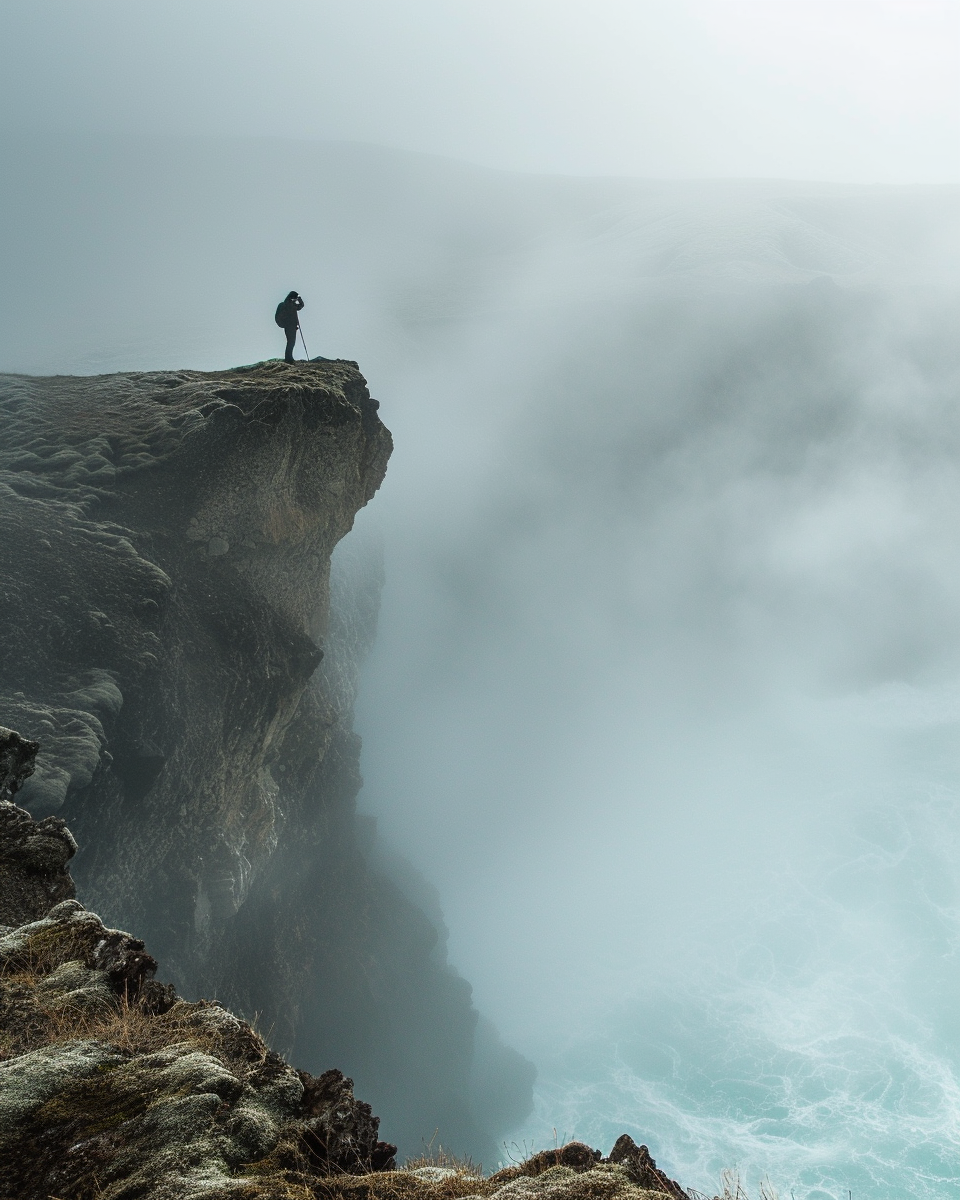
First Steps in AI-Assisted Composition
Composition is key in photography. It’s the difference between a snapshot and a stunning photograph. AI can provide real-time composition tips that help you understand where to place elements in your frame for maximum impact.
Here’s how you can start with AI-assisted composition:
-
Enable grid lines on your camera or smartphone to see the Rule of Thirds overlay.
-
Use AI mode (if available) to suggest the best composition based on the elements in your scene.
-
Review the AI’s suggestions and try different compositions to see what feels right for you.
Besides that, some AI photography apps can analyze your photos after you’ve taken them, offering suggestions on how to crop or adjust them to improve the overall composition.
The Golden Rules of AI-Enhanced Framing
Framing is how you arrange the elements in your photo, and it can make or break your image. AI uses certain “golden rules” to guide you in creating more engaging pictures.
Exploring the Rule of Thirds with AI
The Rule of Thirds is a classic composition technique that involves dividing your image into nine equal segments with two equally spaced horizontal lines and two equally spaced vertical lines. The points where these lines intersect are where the eye is naturally drawn.
AI can highlight these points and suggest placing your subject or important elements at one of these intersections to create a balanced, visually interesting photo. This is especially helpful for beginners, as it takes the guesswork out of composition.
Finding Balance and Symmetry – AI Style
Symmetry and balance are pleasing to the eye, and AI can help you achieve them. By analyzing the scene, AI can suggest adjustments to your framing to make sure elements are aligned and balanced.
For example, when taking a photo of a landscape, AI might suggest positioning the horizon line along one of the horizontal grid lines rather than directly in the center, to create a more balanced composition.
How AI Determines the Best Focus Point
Focus is critical. It draws the viewer’s eye to the most important part of the image. AI can analyze the elements within a frame and determine the best focus point by considering factors like depth, subject size, and even the direction of the subject’s gaze. This ensures that the most important part of your photo is sharp and clear.
When to Trust AI on Subject Isolation
Isolating the subject from the background can turn a flat image into a dynamic one. AI can suggest the best ways to achieve this through depth of field manipulation. Trust AI when you want to highlight a subject by blurring the background or when you need to maintain focus across the scene for landscapes or group shots.
Light & Exposure: An AI Perspective
Light and exposure are the heartbeats of photography. They dictate the mood and feel of your photos. AI can provide insights on how to capture light effectively, suggesting the best times of day to shoot or how to adjust your camera settings to deal with challenging lighting conditions.
AI Insights on Capturing Light Effectively
AI can analyze the lighting conditions and offer advice on how to adjust your camera settings for the best exposure. It can suggest when to use HDR mode to capture details in both the shadows and highlights or when to adjust the angle of your shot to avoid harsh shadows or overexposure.
The AI Approach to Managing Exposure
Getting the right exposure can be tricky, but AI can help ensure your photos are neither too dark nor too bright. It can suggest the appropriate ISO, shutter speed, and aperture based on the available light, helping you capture the scene as you see it.
AI in the World of Color and Contrast
Colors and contrast are essential for creating vibrant, eye-catching photos. AI can assist you in understanding how colors interact and how contrast can add depth to your images.

Learning About Color Theory with AI Helpers
AI tools can guide you through the basics of color theory, showing you how to use complementary colors to make your subject stand out or how to create a particular mood with a color palette. This understanding can transform the way you approach your photography.
AI Strategies for Striking Contrasts
Contrast is not just about colors; it’s about light, shapes, and textures. AI can help you spot opportunities to use contrast in your compositions, enhancing the visual appeal of your photos. Here are some strategies AI might suggest:
-
Use light and shadow to create depth and dimension.
-
Place contrasting colors next to each other to make elements pop.
-
Look for textures that stand out against smooth backgrounds.
By following these AI strategies, you can add a new level of interest to your photos.
Post-Processing: The AI Advantage
Post-processing is where your photos really come to life. AI can assist in editing by suggesting enhancements that will make your images more impactful.
AI Assistance in Editing for Impact
After you’ve captured your photos, AI can suggest edits that will enhance their impact. It can recommend adjustments to brightness, contrast, and saturation that will bring out the best in your images. AI can even suggest applying filters or effects that complement the mood you’re trying to convey.
When to Let AI Lead Your Post-Processing Journey
Sometimes, the sheer number of editing options can be overwhelming. This is when you should let AI take the lead. AI-powered editing software can analyze your photo and apply a series of adjustments that result in a polished, professional-looking image. It’s a great way to learn about the editing process and understand what works for your style.
Leveling Up: Advanced Composition With AI
Once you’re comfortable with the basics, AI can help you take your composition skills to the next level. Advanced AI tools can suggest more complex composition techniques that might not be immediately obvious to the beginner eye.
For instance, AI can help you understand how to use leading lines to draw attention to your subject, or how to frame your shots using natural elements to create a ‘picture within a picture’. These advanced techniques can add a layer of sophistication to your photography that sets your work apart.
Moving Beyond Basics: AI and Creative Composition
Once you’re comfortable with the basics, AI can help you take your composition skills to the next level. Advanced AI tools can suggest more complex composition techniques that might not be immediately obvious to the beginner eye.
AI can help you understand how to use leading lines to draw attention to your subject, or how to frame your shots using natural elements to create a ‘picture within a picture’. These advanced techniques can add a layer of sophistication to your photography that sets your work apart.
AI’s Role in Crafting Storytelling Through Imagery
Storytelling is at the heart of powerful photography. AI doesn’t just help with technical aspects; it can also aid in conveying a narrative through your images. By analyzing the elements in your frame, AI can suggest ways to structure your photo to tell a story. This could involve focusing on a subject’s expression, the interaction between subjects, or the inclusion of objects that add context to your scene.
Therefore, as you develop your photography skills, consider how AI can guide you in capturing not just a moment, but a story worth telling.
Frequently Asked Questions (FAQ)
In this journey of exploring AI-assisted photo composition, you might have some questions. Here’s a a few common queries to help clarify the role of AI in photography.
What Are the Best AI Tools for Beginners?
There are many AI tools out there, but some user-friendly options for beginners include:
-
Adobe Photoshop’s AI features for editing and composition advice.
-
Skylum Luminar, which offers AI-powered editing and enhancement tools.
-
AI Mirrorless Cameras, which suggests optimal composition, these vary from budge priced to professional level models.
These tools are designed to be intuitive and are a great starting point for those new to AI in photography.
How to Develop Your Own Style With AI?
While AI can provide suggestions, your style comes from how you interpret and implement these ideas. Use AI as a starting point, but always add your personal touch. Experiment with different compositions, settings, and edits that AI suggests and see which ones resonate with your creative vision.
What’s the Future of AI in Photography?
The future of AI in photography is bright and constantly evolving. We can expect even more advanced tools that offer nuanced suggestions, better understand the photographer’s intent, and seamlessly integrate with our creative workflow. The potential for AI to further enhance the art of photography is vast and exciting.