
Food Photography for Professionals
-
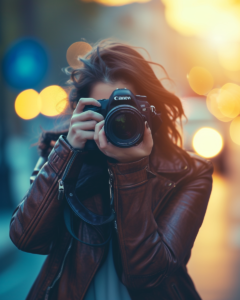
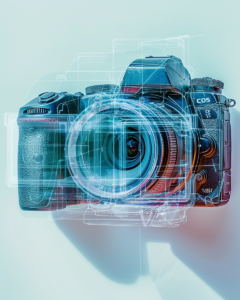
AI mirrorless cameras are exceptional for food photography with intelligent autofocus, vivid color, and enhanced image processing.
-
The Sony A7R IV excels with its high-resolution sensor, perfect for capturing the intricate details of food.
-
Nikon Z 7II‘s dynamic range allows for capturing textures and colors in various lighting conditions.
-
Canon EOS R6 Mark II offers speed and exceptional color science, making it a great choice for vibrant food images.
-
Understanding your camera’s settings and pairing it with the right accessories will significantly improve your food photography.
There’s something deeply satisfying about capturing the perfect image of a dish that looks as delicious as it tastes. With the right camera in hand, you can transform a simple plate of food into a mouthwatering masterpiece. Combining advanced technology, portability and AI editing mirrorless cameras are transforming the art of food photography.
Can AI Cameras Enhance Food Photography for Social Media?
Definitely! AI cameras offer intelligent scene recognition, which can automatically adjust settings for the perfect shot. This means even beginners can produce social media-worthy photos with ease. With features like eye-tracking and autofocus, you can highlight the most enticing parts of the dish, making your social media posts stand out in a feed full of food photos.
Are Mirrorless Cameras Better Than DSLRs for Food Shots?
While DSLRs have been the industry standard for years, mirrorless cameras with built in AI functions are quickly catching up, if not surpassing DSLR with new technology. They are lighter, faster, and offer real-time previews of your images. For food photography, where details and composition are key, the ability to see exactly what your final image will look like before you press the shutter button is invaluable.
Food Photography the Old Way – A History Lesson
Way back when, before computers became mainstream and we still did everything in DOS , I was in charge of producing a monthly newsletter and collating the Annual Report for the large organisation I worked for.
For anyone under 40 it may be hard to believe, but back then we had on staff a professional photographer who used a large format Leica camera and developed the photos in his own darkroom.
Once I had written the copy and chosen the photographs, these were couriered to the printers with instructions (no email back then).
After the graphic designer had done their job, I would go to their premises to look at the storyboard they had created from my materials. Each page of the magazine was mocked-up so I could approve the layout or make changes. It was a long process, but it was what we were used to doing.
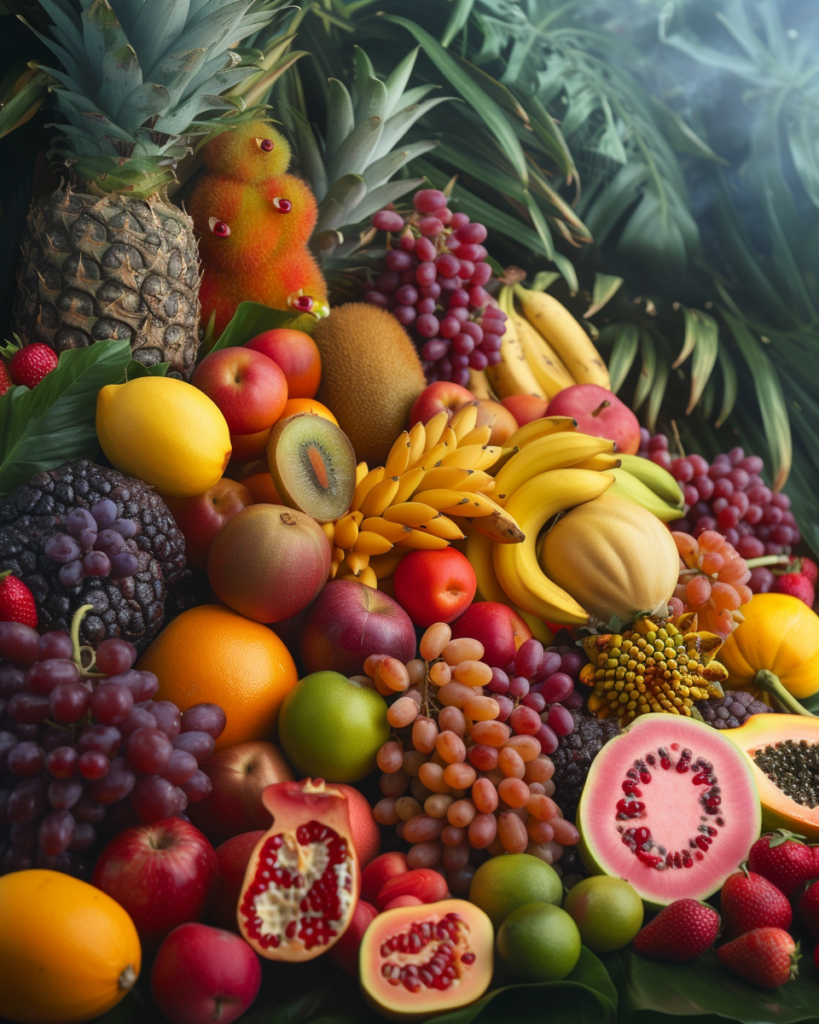
One year for the Annual Report we did a feature on the freighting of locally grown tropical fruits and vegetables to Japan, to highlight a new airfreight facility. We decided to make the photograph extend over 2 pages and make it the cover, back and front of the Report.
I still remember the hours of work alongside the photographer to style and frame the photo once all the produce arrived. We had the air conditioning running full blast, and had to continually mist the display with a mixture of cool water and glycerine.
Why glycerine? Because it gave the appearance of glistening, fresh fruit and vegetables, for each new shot. This technique is often used for food photography, as the food is stone cold by the time it’s been staged and needs to look appetizing.
Our set-up was photographed and re-arranged many times using a polaroid camera, so that the framing, lighting and composition could be checked and altered before the real photography began.
This was because all photographs had to be dark room developed, and time was of the essence as each time we turned on the massive lights and back reflectors the produce deteriorated.
It was a very long day to get the perfect shot, and even then, we had to wait for the film to be developed before we knew for sure we had a winner.
Sadly I no longer have a copy of that photo, but in less than 3 minutes I produced the following reasonable reimagining from Mid Journey. Of course ours was better, but it also took many many hours to produce.
Why AI Tech in Cameras Elevates Food Photography
The perfect steaming bowl of ramen is in front of you, and you don’t need to fiddle with camera settings, as it instantly knows to focus on the glistening pork slice nestled on top. That’s why AI mirrorless cameras make food photography easier than ever before with amazing features like these:
-
Advanced autofocus that locks onto your subject and knows where to focus.
-
Color adjustment that ensures the crispest shot of the most important part of your dish.
-
Perfect lighting to enhance the appeal of the food and compensate for shadows.
-
Image processing that adjusts settings in real-time for the most appetizing shot.
Understanding Mirrorless Technology
Before talking about our top picks, let’s break down what makes mirrorless cameras different. Unlike traditional DSLRs, mirrorless cameras don’t use a mirror system. Instead, light passes directly onto the image sensor. This design results in:
-
A lighter and more compact camera body.
-
Faster shooting speeds and a quieter operation.
-
Real-time digital display of your image before you take the shot.
These features are especially beneficial in food photography, where the subtlety of light and shadow plays a crucial role in the final image.
Top AI Mirrorless Camera for Food Enthusiasts
1. Sony A7R IV: High-Resolution King
For those who revel in the details and want perfection every time, the Sony A7R IV is nothing short of a powerhouse. Its staggering 61-megapixel sensor ensures that even the smallest details, like the sprinkle of sesame seeds on a bun, are captured with crystal clarity.
1.1 Key Features and Benefits for Food Photography
The Sony A7R IV high resolution brings your food photos to life. Its key features include:
-
A back-illuminated full-frame sensor that excels in low light conditions.
-
Real-time Eye AF for precise focus on the most important elements of your dish.
-
5-axis in-body image stabilization to keep your shots steady, even when you’re not.
These features mean you can confidently capture that perfect shot, whether you’re in a dimly lit restaurant or setting up a studio at home.
1.2 User Experience and Performance
Handling the Sony A7R IV feels intuitive and responsive. The camera’s ergonomic grip and well-placed controls make it easy to adjust settings on the fly. But what really stands out is its performance in the field:
Photographers often rave about the camera’s dynamic range, which ensures that both the highlights of a shiny glaze and the shadows in a bowl of pasta are perfectly exposed. The autofocus system is so advanced that it feels like the camera is reading your mind, adjusting focus as you compose your shot.
“When photographing a vibrant fruit tart, the Sony A7R IV’s Eye AF locked onto the glistening berries with such precision that each droplet of moisture was visible, making the image almost taste-worthy.” Food Writer and Critic
Next, we’ll explore another top contender that’s winning the hearts of food photographers everywhere.
2. Nikon Z 7II: Dynamic Range Master
For food photographers who want to capture every nuance of flavor and texture, the Nikon Z 7II stands out as an exceptional choice. Its dynamic range is the secret ingredient that allows you to photograph a dish in its truest form, preserving the highlights and shadows that give food its appeal.
2.1 Capturing Rich Food Textures with Precision
Texture is a critical aspect of food photography. It’s what makes a crusty bread look crunchy and a smooth chocolate ganache appear silky. The Nikon Z 7II‘s 45.7-megapixel sensor combined with its broad dynamic range ensures that textures are rendered with stunning detail. This camera’s ability to handle extreme contrasts between light and dark areas means that whether you’re shooting a fluffy soufflé or a vibrant salad, the textures will pop off the screen.
2.2 Real-Life Usage and Versatility
When you’re in the middle of a bustling kitchen or styling a dish on set, you need a camera that’s as versatile as it is powerful. The Nikon Z 7II‘s dual card slots ensure that you never run out of space during a shoot, and its robust build can withstand the rigors of a professional kitchen. Its tilting touchscreen makes it easy to shoot from high angles – perfect for that overhead shot of a special dish.
3. Canon EOS R6 Mark II: Speed and Color Science
The Canon EOS R6 Mark II is a symphony of speed and color, a combination that is especially potent in food photography. Capturing split-second moments like the splash of wine being poured or the puff of flour while kneading dough becomes effortless with this camera’s rapid-fire shooting capabilities.
3.1 How Speed Transforms Food Action Shots
Speed in a camera can elevate an image from good to great. With the Canon EOS R6 Mark II, you’re looking at 20 frames per second with its electronic shutter – that’s blazingly fast. This means you can freeze motion in a way that showcases the dynamism and energy of cooking, turning an ordinary photo into a story.
3.2 Balancing Colors in Every Bite
Color is taste, and taste is color. The Canon EOS R6 Mark II understands this, with a color science that makes every dish look as good as it tastes. Its 20.1-megapixel sensor ensures that the reds of a tomato sauce are as rich as they are in real life, and the greens of basil leaves are truly vibrant. This camera’s white balance and color rendition are so accurate that they require minimal post-processing, saving you time and letting the natural beauty of your food shine through.

The Artist’s Toolkit: Lenses and Accessories for Food Photography
Even the best camera needs the right tools to truly excel. In food photography, the choice of lenses and accessories can make a significant difference in the outcome of your images.
Choosing the Right Lenses for Mouthwatering Images
The lens is the eye through which your camera sees the world, and in food photography, you want an eye that sees every delicious detail. Prime lenses with wide apertures are ideal for creating that beautiful blurred background, making your dish the star of the show. Macro lenses allow you to get up close and personal with your food, capturing textures that might otherwise be missed. There are many lenses for mirrorless cameras which are suitable for food photography.
Tripods, Reflectors, and More: The Essentials
Besides the camera and lenses, several other tools should be in every food photographer’s kit:
-
A solid tripod to keep your shots steady and enable those long exposure times without any shake.
-
Reflectors to bounce light and eliminate shadows, highlighting the best features of your food.
-
Softboxes and diffusers to soften harsh lighting and give your images a professional look.
These tools help you control the environment, no matter where you are shooting, ensuring that your food always looks appetizing.
Setting Up for Success: Tips for Using Your AI Mirrorless Camera
Having the right gear is only half the battle; knowing how to use it is what separates the good from the great. Let’s dive into some tips to help you make the most of your AI mirrorless camera.
Mastering Camera Settings for Perfect Exposure
Getting the exposure right is crucial in food photography. Start by understanding the exposure triangle – aperture, shutter speed, and ISO. A wider aperture (a lower f-number) lets in more light and creates a shallow depth of field, which can make your food stand out. A slower shutter speed can capture more light but may introduce blur if the camera or subject moves. Finally, a lower ISO maintains image quality but requires more light.
Experiment with these settings to find the perfect balance for your shot, but don’t forget AI is there to assist at any time.
Composition Techniques to Make Your Dishes Pop
Composition can turn a simple photo into a visual feast. Employ the rule of thirds to create a balanced image, or use leading lines to draw the viewer’s eye to the star of the show – your food. Don’t forget to play with different angles and perspectives to find the most appetizing view.
Leveraging AI for Flawless Edit Outcomes
Editing is where good food photography can become great, and AI technology is the sous-chef you didn’t know you needed.
AI-driven software can sort through hundreds of images, picking out the ones with the best composition, focus, and exposure. This not only speeds up your workflow but also ensures that the images you present are the cream of the crop. With AI assistance, editing becomes less about fixing mistakes and more about perfecting the fine details that make your photos stand out.
Color Grading and Retouching Tips
Color grading is the secret sauce that gives your photos an identity. Maybe you want your images to have a warm, inviting glow for an intimate candle lit supper, or a cool, clean aesthetic for that stunning ice carving centerpiece. AI tools can help you achieve this quickly and consistently across your entire portfolio.
When retouching, focus on enhancing the textures and colors that make the food look appetizing. Remove distractions, but keep the essence of the dish intact. Remember, the goal is to make the viewer hungry or envious.
Frequently Asked Questions
Here are some of the most common inquiries to help you make informed decisions about your photography gear and techniques.
Most importantly, remember that the best camera is the one that fits your specific needs. Whether you’re a blogger capturing your culinary adventures or a professional shooting for high-end clients, the right camera will help you tell delicious stories through your images.
What Features Should I Look for in an AI Mirrorless Camera?
When selecting an AI mirrorless camera for food photography, consider the following features:
-
High-resolution sensor for capturing detailed images.
-
Excellent dynamic range to handle various lighting conditions.
-
Robust autofocus system with eye-tracking for sharp focus on the subject.
-
Good low-light performance for those romantic, dimly-lit shots.
-
Articulating screen for composing shots from different angles.
These features will provide the versatility and quality needed to produce stunning food photographs.
How Does AI-Assisted Autofocus Impact Food Photography?
AI-assisted autofocus is a game-changer. It allows you to track the subject of your photo with precision, ensuring that every shot is in perfect focus. This is particularly useful when photographing food, where the focus needs to be on the textures and details that make the dish appealing. AI autofocus also speeds up the shooting process, allowing you to capture those fleeting moments in food preparation and presentation that make for dynamic images.
What’s the Learning Curve Like for New AI Mirrorless Camera Users?
Transitioning to an AI mirrorless camera can be a smooth process, especially if you’re familiar with the basics of photography. These cameras are designed to be user-friendly, with intuitive interfaces and automated settings that help beginners get started. However, to truly harness the power of AI and mirrorless technology, it’s worth investing time to learn about the advanced features and how they can be applied to food photography. With practice, you’ll find that these cameras can elevate your work to new heights of creativity and professionalism.
In conclusion, AI mirrorless cameras are not just the future of food photography; they are the present. Embracing this technology opens up a world of possibilities, from capturing the steam rising off a hot dish to freezing the splash of a cocktail being poured. With the right camera, skills, and a dash of creativity, your food photography can truly come to life. Bon appétit, and happy shooting!