
Lion and Cub on the Savannah – enhanced by AI techniques. It looks almost genuine, but pushes the boundaries of reality.
Artificial Intelligence (AI) has revolutionized the photographic process.
In learning AI photography, enthusiasts and professionals are empowered with tools that simplify and enhance the image-making process. AI photography incorporates sophisticated machine learning models and algorithms to analyze and optimize photographs.
AI technology assists in scene selection, subject tracking, and real-time adjustments that were once the exclusive domain of the photographer’s subjective eye and manual post-processing.
As the technology advances, understanding the principles of AI in photography becomes vital, as it equips photographers to utilize AI for tasks ranging from autofocus optimization to image quality enhancement.
The creative process, too, is augmented by AI capabilities that can transform average images into striking compositions. AI not only assists in the mechanics of capturing a photograph, but it also provides solutions for the post-processing workflow, like noise reduction and sharpening details, tailoring the final product to one’s artistic vision.
AI in Photography
- AI is integral to evolving the methods and creative aspects of photography.
- Knowledge of AI’s technical role in photography enhances the photographer’s skill set.
- AI-driven tools in photography pose a transformative effect on the industry’s future.
Which artificial intelligence software is recommended for professional photographers?
Professional photographers often recommend using Adobe Photoshop and Lightroom, which incorporate AI technologies, as well as specialized AI tools like Topaz Labs, Luminar AI, and DxO PhotoLab. These solutions offer robust AI-enhanced features for various stages of the editing process.
What are the basics beginners should understand about AI in photography?
Beginners should understand that AI in photography involves using machine learning models to automate and enhance tasks such as image classification, enhancement, and retouching. It’s important to have a grasp on how these algorithms can benefit composition and post-processing.
How does Midjourney and Other Generative AI impact photography?
Midjourney AI and DALL-E are perhaps the best known AI text to image programs in 2024. Rapid changes to all things AI, may mean that even more sophisticated tools will appear this year. AI art impacts the field of photography by offering tools that assist photographers in the creative process, such as suggesting compositions or enhancing images. Its algorithms can help expand creative possibilities and increase efficiency.
Both Midjourney and DALL-E allow for photgraphs to be uploaded and enhanced, merged and styled. It’s still relatively new and “prompts” which are the precisely styled instructions for image generation, are now a small industry Learning prompts for photograph manipulation would be of benefit to anyone looking to move into the world of synthography (synthetic AI enhanced photography) as it looks like this may well be the future of photography.
Fundamentals of AI in Photography
The intersection of artificial intelligence and photography has yielded transformative technologies that boost the capabilities of both amateur and professional photographers. Through the integration of AI, cameras have evolved to offer sophisticated image optimization and advanced functionalities.
Understanding AI and Its Role in Photography
Artificial intelligence has become vital to photography in a short time, serving as a tool that complements the photographer’s skill. AI technology in cameras and software assists in various aspects, including:
- Automatic adjustments: AI algorithms can analyze a scene and make real-time adjustments to camera settings such as aperture, ISO, and shutter speed.
- Post-processing: Machine learning enables the software to enhance photos by sharpening details, balancing exposure, and improving composition.
Smartphones and digital cameras now commonly feature AI-driven modes that enable users to capture high-quality images without manual adjustments. The incorporation of AI extends beyond traditional DSLRs to smartphones, which have seen a significant boost in image processing capabilities.
The Evolution of Photography Technology
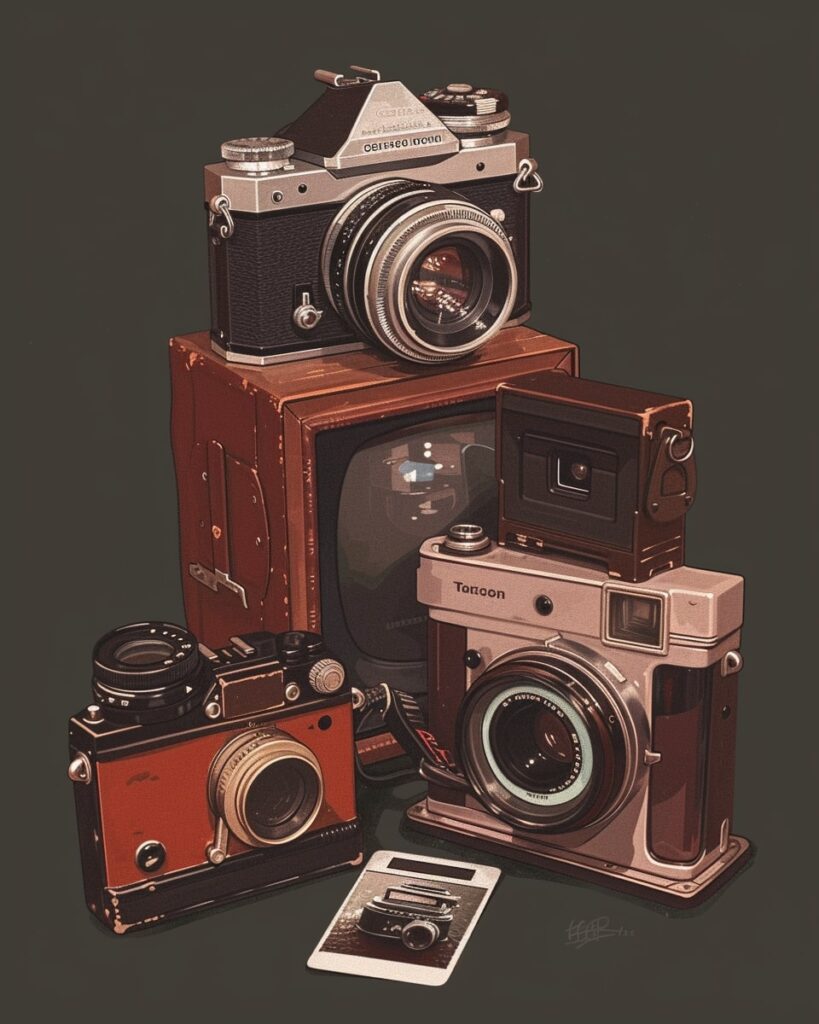
Photography has progressed from purely mechanical devices to intricate systems imbued with intelligent technology. Key developments include:
From film to digital: Transitioning from film to digital sensors allowed for the integration of computing power.
The Rise of smart cameras: The introduction of interconnected, smart cameras with built-in AI has enabled real-time image analysis and enhancement.
AI in photography is more than a trend; it’s a rapid continuous evolution that leverages machine learning to enable both hardware and software to make informed decisions based on data analysis. The technology has democratized high-quality photography, making advanced techniques accessible to a broader audience.
Technical Aspects of AI Photography
In AI photography, the technical advancements have turned the tide, synergizing software sophistication with camera hardware to achieve superior image quality. Empowered by artificial intelligence, photographers now wield tools that simplify complex post-processing tasks and enhance photo capture capabilities.
AI-Powered Cameras and Settings
AI-powered cameras are becoming a cornerstone in modern photography technology, particularly in smartphones and professional cameras. Only a decade or so ago, a camera with even some of the capabilities of today’s average smart phone would have been an expensive item and not something carried around in a pocket 24 hours a day.
The fact that these days, most people always have a high quality camera on hand, has driven the demand for advanced camera technology. Once it was mainly tourists and professional photographers who would be out on the streets taking pictures. Today it’s an hourly event as we snap a delicious lunch we’ve been served, a receipt for a recent purchase or anything which captures our attention. All taken, delivered and stored in an instant.
AI cameras rely on deep learning algorithms that allow for advanced features such as real-time autofocus and scene recognition. Cameras equipped with AI analyze the environment, subject, and lighting conditions to automatically adjust settings for the best possible image. The table below highlights common AI camera features and their functions:
| Feature | Function |
| Autofocus | Rapidly focuses on subjects using phase detection or contrast detection algorithms. |
| Scene Recognition | Identifies the type of scene and adjusts settings for optimal exposure and color settings. |
| RAW Format Support | Allows images to be captured in RAW format, retaining more detail for post-processing. |
| AI Techniques | Utilizes a neural network to enhance low-light photography and stabilize images. |
Smartphones now often come with dedicated AI chips to improve photography capabilities without draining the battery life, offering user-friendly interfaces to adjust complex settings via simple prompts.
There is and will in the short and probably long term, always be restrictions on taking photographs with phones. It’s a compromise and one which professional photographers don’t generally engage with. However, with the rise in AI editing and manipulation software that may not always be the case.
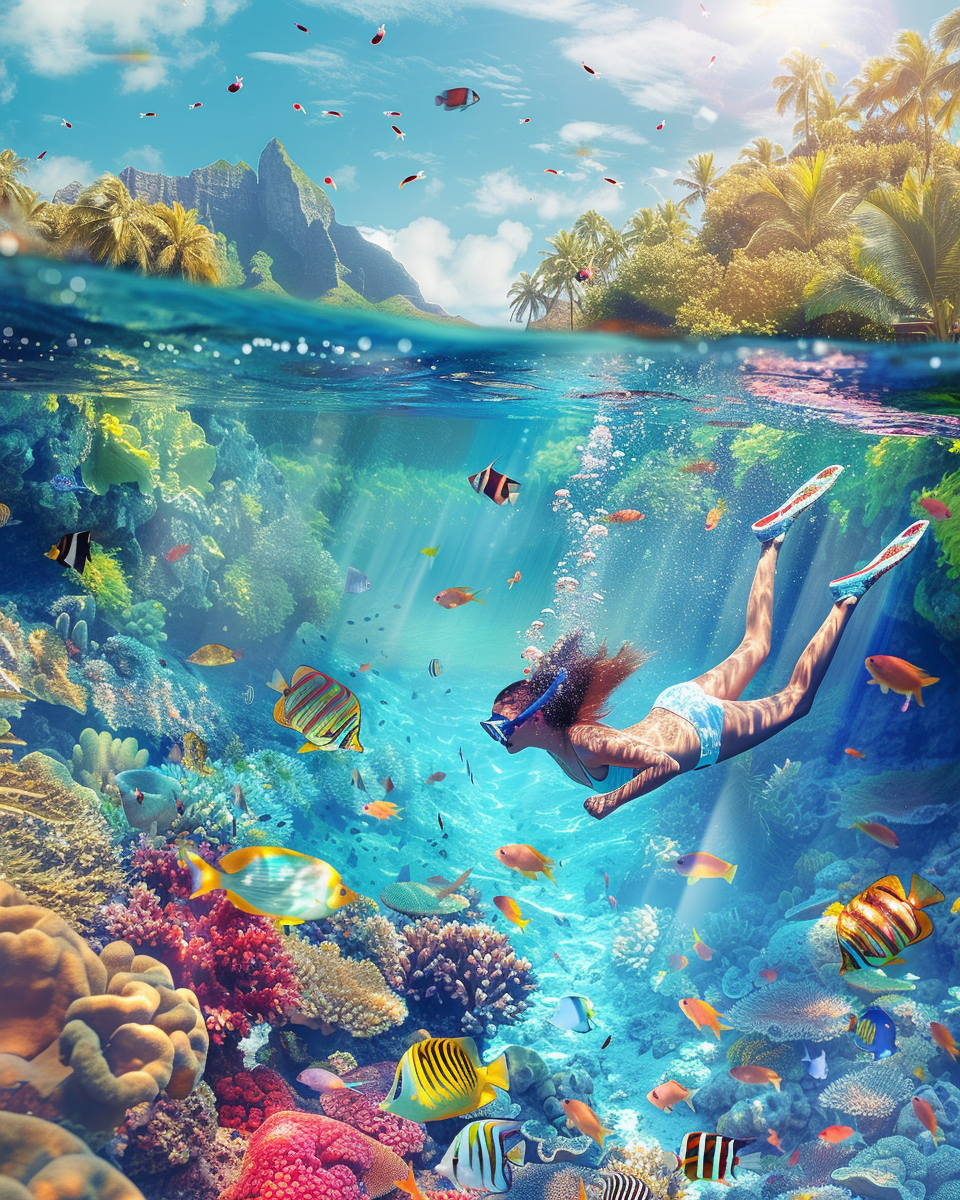
Ai has problems with hands, ears and teeth currently. Also as seen above, spatial context and literal interpretation. Flying fish? These glitches will be rectified quickly as machine learning advances. Image created in mid-journey.
Post-capture, photo editing software like Adobe Photoshop and Lightroom incorporate AI to streamline the editing process. AI algorithms in these platforms can intelligently categorize images and suggest edits based on content and quality. Key features include:
Neural Filters: Photoshop’s neural filters leverage AI to transform photos with just a few clicks, applying adjustments like skin smoothing or sky replacement.
AI Photo Editing Software simplifies tasks such as noise reduction, sharpening, and correcting lens distortions in JPEGs and RAWs. While Deep Learning Technology assists in recognizing patterns in images to enable content-aware fills and automated object selection.
Both Photoshop and Lightroom have implemented AI-driven tools, like Adobe Sensei, to assist photographers in achieving nuanced image enhancements. These developments reveal that AI’s role is not to replace the photographer but to support and augment the creative process.
Creative Process and Composition in AI Photography
When integrating Artificial Intelligence into photography, the creative process evolves, and the composition becomes more dynamic. AI helps to enhance both the creativity and technical aspects of photos, offering tools that range from scene recognition to emotion conveyance in AI-generated art.
Incorporating AI into the Artistic Workflow
The artistic workflow in photography undergoes a significant shift when AI, such as Skylum’s Luminar Neo, is introduced. Photographers now have the means to craft images with elevated image quality and originality, moving beyond traditional DSLR constraints.
They can use text prompts to articulate a vision which the AI then translates into complex visual elements. For instance:
Framing: AI can suggest novel framing options based on a vast analysis of photographic compositions.
Scene Recognition: AI algorithms quickly identify and categorize scenes, applying optimal adjustments to aspects like lighting and color.
A table illustrating the differences:
| Traditional Workflow | AI-Enhanced Workflow |
| Manual scene setting | AI-driven scene recognition |
| Fixed framing options | AI-proposed dynamic framing |
Enhancing Composition and Creativity with AI
AI opens up avenues for creativity and compositional experimentation in photography. Composition is enriched as AI analyses and learns from a multitude of images, identifying successful patterns that can be applied to new works. The AI’s suggestion might lead to a more profound conveyance of emotions through the image. Here are key components:
AI-Generated Art: Incorporating elements that challenge conventional photography, such as surreal subjects or imaginative landscapes.
Creativity: AI algorithms offer a palette of creative possibilities, from subtle enhancements to bold, visionary compositions.
AI assists in creating compositions that convey desired emotions effectively. AI-generated suggestions push creative boundaries, encouraging photographers to explore new horizons in their work.
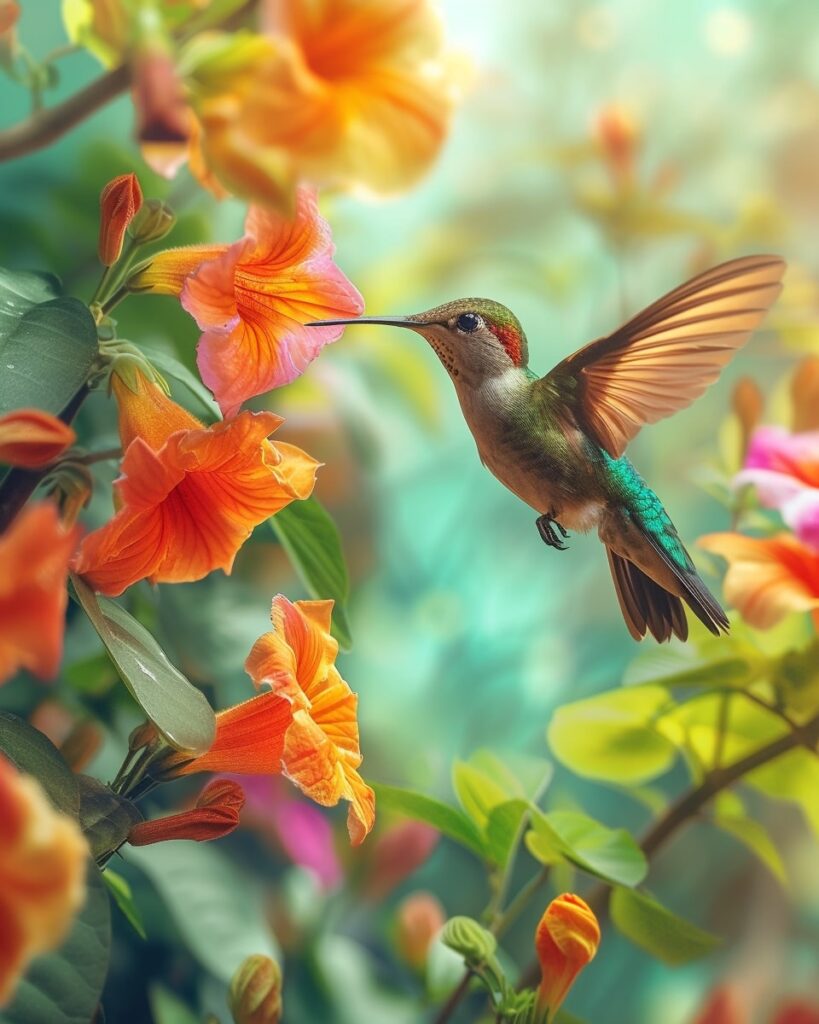
Image generated in mid-journey.
Ethical and Future Considerations
The integration of AI into photography raises crucial ethical questions and foreshadows significant shifts in how photographs are taken, stored, and managed. These concerns, along with the anticipated evolution of the field, merit careful attention.
Exploring Ethical Implications of AI Photography
Automation in photography, exemplified by gadgets like Google Clips and Arsenal 2, simplifies the process of capturing images, but it also prompts debates around the authenticity of moments that are machine-curated rather than human-selected.
The increased accessibility of AI tools, such as Adobe Lightroom’s AI presets and Luminar AI enhancements, challenges photographers to maintain a balance between creative expression and technological convenience.
Copyright issues become complex when AI systems, which are trained on vast datasets, generate images that may inadvertently echo copyrighted work. Photographers must navigate the delicate line between inspiration and infringement.
Similarly, AI’s capacity for generating lifelike images can lead to concerns around misrepresentation or manipulation, necessitating a conversation on ethical guidelines to govern the use of such powerful tools.
With AI handling more management and storage tasks, photographers can allocate more time to the creative aspects of their work. However, the reliance on AI for sorting and editing raises questions about data privacy and the control photographers have over their own portfolios.
Predicting the Future Impact of AI on Photography
The future of photography appears to be intertwined with AI’s advancements. For instance, the Olympus E-M1X now includes AI-based subject recognition, fundamentally altering how professionals approach action and wildlife photography. DSLR cameras are expected to see further integration of AI, improving autofocus accuracy and image processing capabilities. In recent years sales of mirrorless cameras continue to eclipse DSLR, and as the technology gets better and cheaper, this looks like a long-term trend.
The prediction is that AI will not only assist in image enhancement but also revolutionize the field by introducing ever newer dimensions to photographic artistry. Professionals and enthusiasts alike will see more major shifts in the industry as AI continues to excel in areas historically governed by human skill and intuition.
While some feel this technological evolution must be approached with a view to preserve the integrity of photography as an art form, others are embracing these changes as the way of the future. Photography has evolved in many dramatic ways since it commenced.
From the first grainy photos on glass plates in the 1800’s to Polaroid technology and the development of colored photography in the 20th century and now smart phone cameras AI radicalization in the 21st. Each major shift was unprecedented and who knows what the future of photography holds?
Frequently Asked Questions
In this section, readers will find a curated list of common inquiries about AI in photography, providing concise and informative answers to enhance their understanding and application of this innovative technology.
What are the top platforms to learn AI photography online?
Online platforms such as Coursera, Udemy, and Skillshare offer comprehensive courses on AI photography. These platforms feature classes taught by industry professionals that cover both fundamental concepts and advanced techniques.
How can I integrate AI tools into my photography workflow?
Photographers can integrate AI tools by using software that features AI-driven algorithms for image editing, such as Adobe Photoshop’s Neural Filters or Lightroom’s AI auto adjustments. These tools can streamline processes like color correction, object selection, and data asset management.
What are the essential features to look for in AI photography software?
When choosing AI photography software, essential features to consider include automatic image enhancement, batch processing capabilities, object recognition, scene detection, and the ability to learn from editing decisions to provide personalized suggestions in future projects.