Artificial Intelligence (AI) has profoundly impacted the world of photography, reshaping the craft and industry in a variety of ways. The integration of AI into photography tools has not only streamlined post-processing but also revolutionized the way images are captured, edited, and shared.
AI-enabled cameras and software applications can now analyze visual data in real-time, automating processes that once required manual intervention. This advancement affords both amateur and professional photographers the ability to concentrate more on the creative aspects of their work, rather than the technicalities.
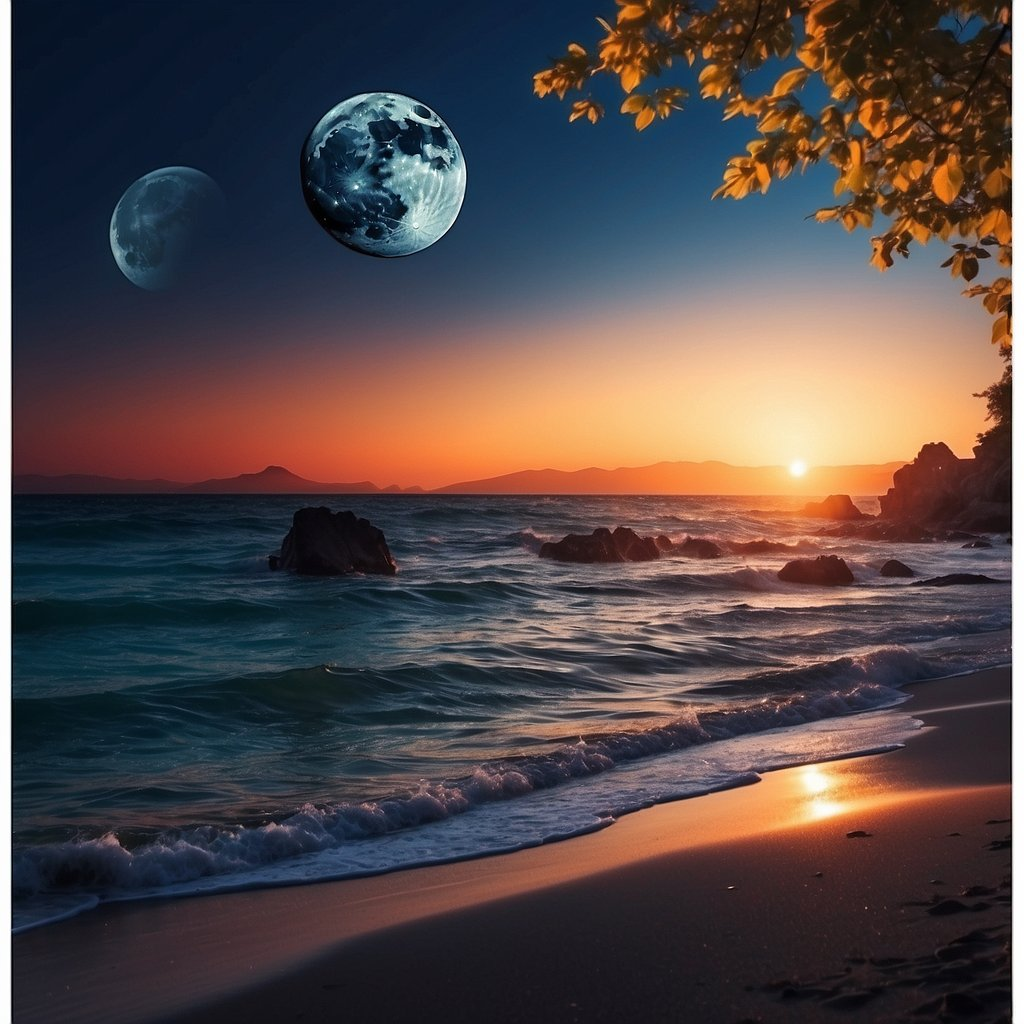
The integration of AI has also ushered in a new era of image generation and manipulation, marked by a surge in AI-generated imagery that began in earnest in 2022. By harnessing the power of algorithms, photographers are now able to create visuals that were previously unimaginable, pushing the boundaries of traditional photography.
The application of AI extends to various photographic tasks including sorting and tagging large volumes of images, enhancing photo quality by reducing noise, and even intelligently suggesting compositional improvements.
AI’s influence on photography continues to expand as the technology becomes more mainstream. The conventional photographic workflow is evolving rapidly due to AI’s automation and augmented creative possibilities.
Photographers and creatives are finding AI indispensable in unlocking new potentials and efficiencies, allowing them to focus more on storytelling and the artistic expression behind their imagery rather than the increasingly automated technical processes.
How do AI applications improve the efficiency and creativity of photography workflows?
AI applications streamline workflow by automating routine tasks like sorting and curation, leaving photographers more time to concentrate on creative endeavors. Moreover, AI-driven tools such as style transfer and automatic image enhancement inspire new forms of artistic expression within photography.
Can AI tools be reliably used by professional photographers for high-quality outputs?
AI tools have reached a level where they can reliably assist professional photographers in producing high-quality output. They can enhance image resolution, reduce noise, and even predict appropriate editing styles, although the final creative input often still requires a human touch.
Evolution of Photography Technology
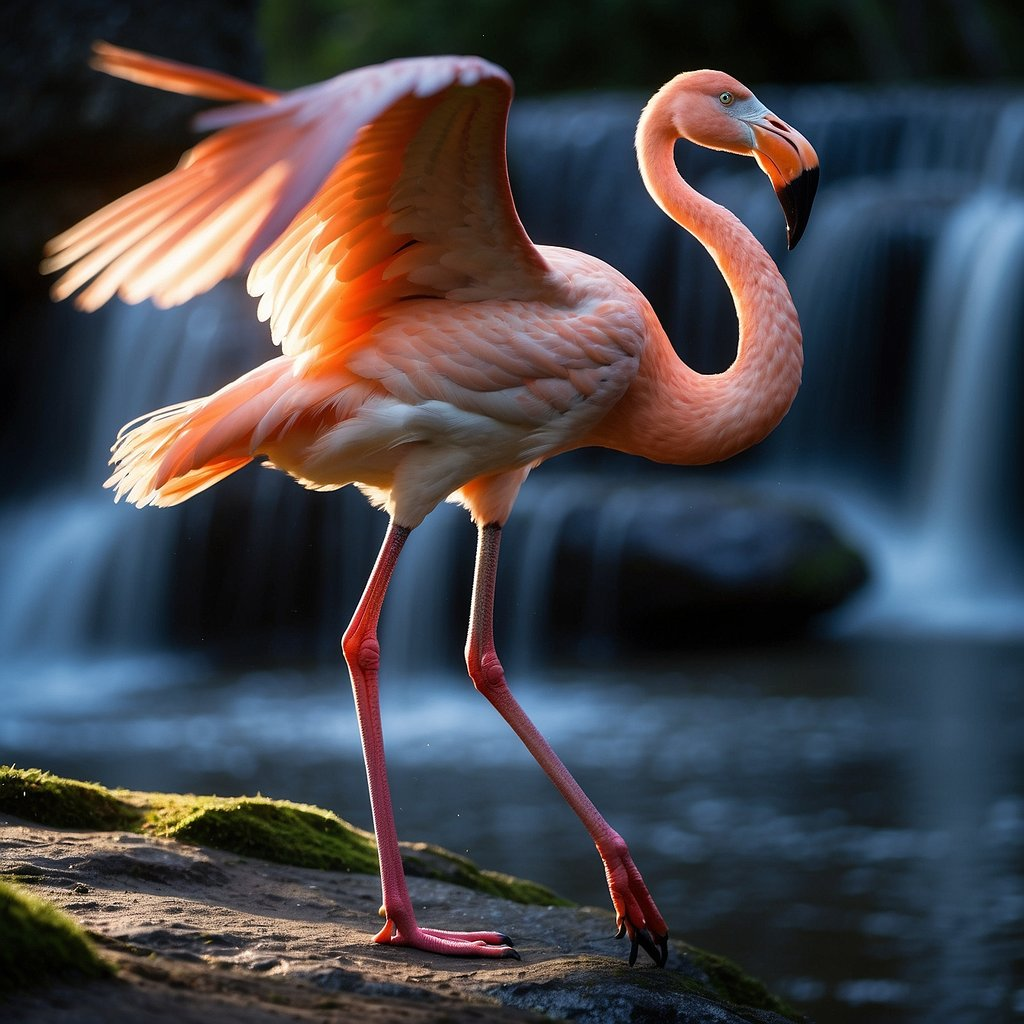
The journey of photography technology is marked by significant milestones, from the swing of the pendulum from analog to digital, further evolving into mirrorless designs, and now embracing the artificial intelligence revolution.
From Analog to Digital Cameras
The transition from analog to digital cameras was a pivotal point in photography history. Early digital cameras emerged in the late 20th century, with the Kodak DCS 100 being one of the first professional digital single-lens reflex (DSLR) cameras in the market. This marked a shift from chemical film processes to digital sensors capturing images as pixel arrays.
From Digital to Mirrorless
Following the success of digital cameras, technology advanced to produce mirrorless systems, which offered a lighter, more compact alternative to DSLRs. Since the late 2000s, mirrorless cameras have gained popularity. Brands like Sony and Fuji developed models that combined high image quality with the convenience of a smaller body, eliminating the traditional mirror mechanism.
The Rise of AI in Photography
Artificial intelligence (AI) has begun to redefine the landscape of photography. Cameras and editing software now often include AI-driven features:
- Image stabilization: AI algorithms analyze motion in real-time to compensate for camera shake.
- Subject recognition: Cameras can detect and focus on subjects such as faces, further improving photo quality.
- Post-processing: AI tools can automatically enhance images by optimizing colors, lighting, and sharpness.
Fundamentals of AI in Modern Photography

Artificial Intelligence (AI) has permeated the field of photography, providing tools that enhance both the shooting and editing processes. Photographers now harness AI to achieve new levels of efficiency and creativity.
Understanding AI and Its Role
Artificial Intelligence in photography refers to the use of machine learning algorithms and software to assist in or enhance image creation and manipulation. AI technology enables cameras to interpret scenes and subjects, automating complex decisions that once required manual input.
- Subject Recognition: AI identifies subjects in a scene and makes real-time adjustments.
- Facial Recognition: Utilizes algorithms to detect and focus on human faces.
- Automation: Improves the photographer’s workflow by automating mundane tasks.
AI-Driven Camera Functions
Modern cameras are equipped with AI-powered features that significantly improve the shooting experience. Two major functions stand out:
- Autofocus: AI has revolutionized autofocus by predicting subject movement and adjusting focus accordingly.
- Exposure: AI evaluates the scene and adjusts settings to ensure optimal exposure.
- IBIS: Built-in stabilizing technology
AI and Post-Processing Workflows
Post-processing is another area where AI dramatically impacts photography.
- AI Photo Editing Software: AI software automates tasks like object removal and style transfer.
- Workflow: AI enhances the post-processing workflow by learning from the photographer’s editing style and making suggestions.
- Customization: Photographers can tailor AI tools to their unique workflow needs, improving both efficiency and output quality.
AI-Enhanced Editing and Creative Tools

AI technology has significantly impacted photography, enabling advanced editing capabilities and creative expression through intelligent software tools.
Automated Photo Editing Software
Automated photo editing software incorporates AI to streamline and enhance the photo editing process.
Adobe Photoshop leads with its AI-driven Neural Filters and the newly introduced Adobe Firefly, offering sophisticated options for image transformation.
Luminar Neo by Skylum presents another powerful alternative, utilizing AI algorithms for tasks such as exposure correction and noise reduction, thus simplifying complex editing workflows.
- Adobe Photoshop: Neural Filters, Adobe Firefly
- Luminar Neo: AI-powered editing features
Creative AI Tools in Photography
Creative AI tools offer photographers ways to push the boundaries of creativity.
Generative AI, including GANs (Generative Adversarial Networks) and platforms like Imagen AI, enable the creation of AI-generated art, transforming ideas into visuals.
These tools can be applied to modify or create new elements within a photo, proposing an arsenal of creative possibilities.
- Generative AI: GANs, Imagen AI
- AI-Generated Art: New visual elements creation
AI in Image Composition and Framing
AI technology is reimagining image composition and framing, assisting photographers in achieving the desired aesthetic and balance in their shots.
Software tools now provide recommendations on composition, and some, like AutoEnhance.ai, specifically adapt to personal editing styles, suggesting framing adjustments.
Thanks to AI, background removal has become a swift, one-click process with tools like remove.bg, accentuating the subject of the photo without manual effort.
Cutting-Edge AI Photography Applications

The surge of AI in photography has introduced groundbreaking applications that enhance the capabilities of both amateur and professional photographers. These tools provide innovative ways to create, edit, and manage photographs, reshaping the traditional workflow.
Generative and Transformative AI
Generative AI platforms, such as DALL-E and Midjourney, have emerged as prominent tools for creating AI-generated photos. They utilize advanced neural networks to generate images from textual descriptions, providing creatives with the ability to conceptualize and visualize with unprecedented ease.
Similarly, DALL-E 2 has pushed the boundaries further by improving the realism and resolution of the created images.
- Outpainting: An extension feature, often seen in DALL-E 2, that allows the expansion of image borders, effectively letting users add more to their compositions through AI’s understanding of the context.
Transformative AI applications, like Topaz Labs’ suite of tools, offer professional-grade solutions for image enhancement. These include:
- Image Upscaling: Transforming lower-resolution images into higher-resolution versions without losing detail. Topaz is well-known for its robust upscaling algorithms.
- Zoom and Enhance: A popular feature that allows for the refinement and sharpening of digital photos, often turning blurry or pixelated images into clearer versions.
Specialized AI Solutions for Photography
In the domain of specialized AI applications for photography, tools have become integral for specific tasks.
Lensa, for example, provides AI-driven portrait editing, from skin retouching to background alteration, simplifying the process of enhancing portrait photos.
The use of AI for “zoom and enhance” capabilities has moved from science fiction to reality. Photographers utilize these tools to refine details and improve image clarity, which is vital in fields like forensic and investigative photography.
- AI-Powered Software: Brands like Adobe have integrated AI features into their software, such as Photoshop’s AI filters, which automate complex editing tasks with a single click.
AI and the Business of Photography
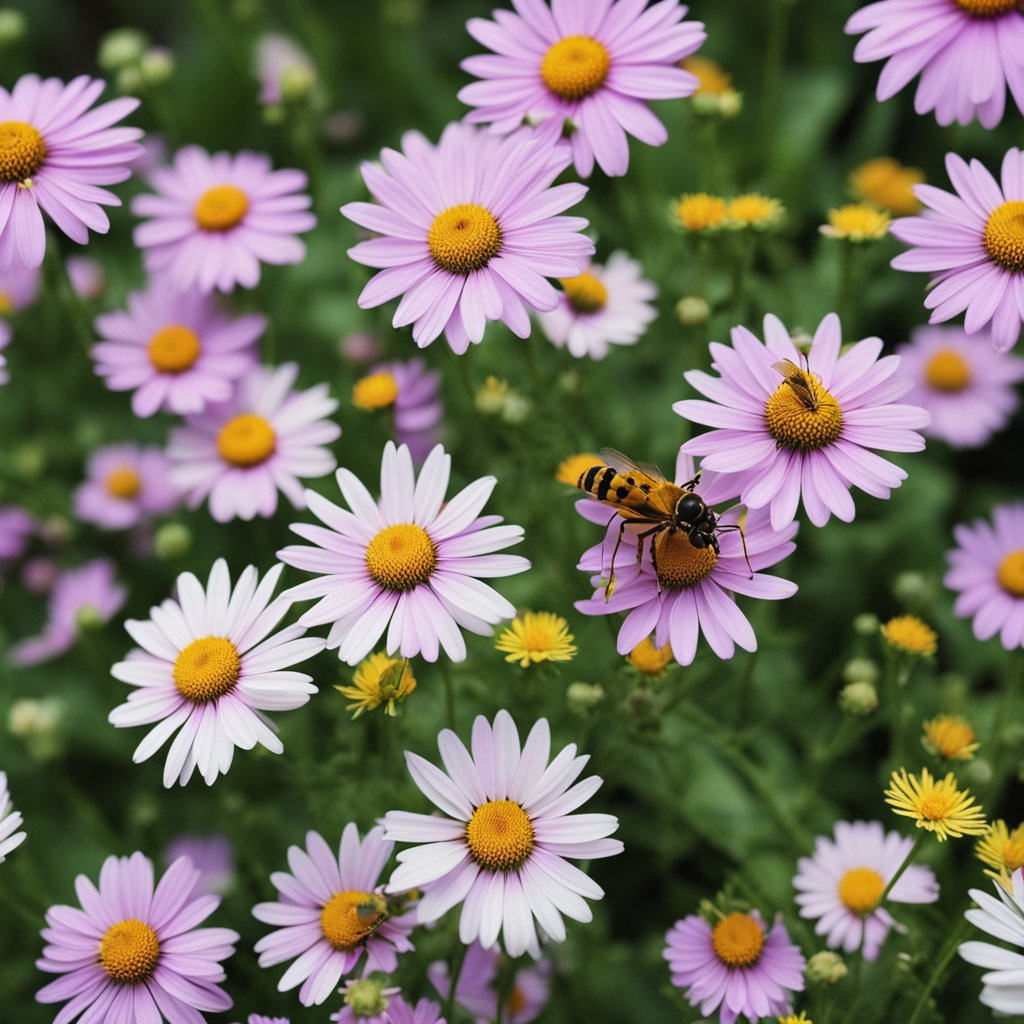
Artificial intelligence is reshaping the landscape of professional photography, altering how images are created, processed, and sold. The implementation of AI within the industry has led to the rise of new markets and improved efficiency.
Emerging Markets for AI Photos
The advent of AI-generated imagery has catalyzed the formation of novel markets for photographic content.
- Stock Imagery Providers: Companies like Getty Images have begun to integrate AI technologies to augment their repositories with AI photos, providing diverse and cost-effective options for clients.
- AI-Powered Product Photography: E-commerce platforms use AI to enhance product photography, creating high-quality images that are generated more rapidly and at a lower cost than traditional methods.
This evolution has opened opportunities for photographers and businesses to monetize AI-created visuals on various platforms. Social media, for example, allows unique and tailored content to be produced at scale.
Efficiency in Professional Photography Workflows
AI applications have introduced significant efficiencies in professional photography workflows, changing the game for how photographers handle their day-to-day tasks.
- Culling Through Photos: AI tools expedite the selection process by quickly culling through thousands of raws, identifying the best shots based on learned criteria.
- Photo Editing: The editing of photos has seen remarkable enhancements, with AI providing automation for labor-intensive tasks such as sorting, tagging, and even basic image corrections.
For photographers, these advancements mean not just time savings but also the ability to meet the fast-paced demands of the digital world where rapid content turnaround is often crucial.
Ethical and Legal Aspects of AI Photography

AI’s infiltration into photography not only furthers innovation but also raises complex ethical and legal issues that need to be navigated with caution and awareness, dealing with aspects such as copyright and the integrity of authorship.
Copyright and Intellectual Property Concerns
The application of artificial intelligence (AI) and machine learning technologies in photography has sparked a debate over copyright ownership. This emerging field often utilizes vast datasets, which may consist of copyrighted works, to train algorithms. When AI generates images, the determination of originality and thus copyright eligibility becomes convoluted. Specific points of concern include:
- Copyright Infringement: The potential of AI to replicate styles or elements of existing copyrighted photographs without permission.
- AI as a Creator: Whether AI-generated imagery can be granted copyright status and if so, who the legal author is— the programmer, the user, or the AI itself.
Authenticity and Ethical Considerations in AI
Beyond legalities, the ethical landscape of AI in photography questions the authenticity of images. This encompasses a broad array of considerations:
- Authenticity in Representation: AI has the capability to create highly realistic images that may challenge the perception of what is genuine and what is artificially constructed.
- Ethical Use: Ethical considerations involve ensuring that AI respects privacy rights and does not perpetuate biases in its output, aligning with principles of fairness and consent.
User Experience and Market Adoption

The integration of artificial intelligence (AI) into photography has significantly enhanced user experience and accelerated market adoption. Advances in AI have led to more user-friendly interfaces and improved the accessibility of photography, changing public perception and the adaptation of AI cameras.
User-Friendly Interfaces and Accessibility
Manufacturers have focused on creating user-friendly interfaces that allow both professional photographers and amateurs to leverage AI capabilities with ease. The result is an intuitive experience where users can operate advanced functionalities without a steep learning curve.
- AI tools also make powerful photography features accessible to a wider audience, reducing barriers to entry.
- Familiarity: Incorporation of AI into familiar devices like smartphones and digital cameras encourages users to explore AI features without intimidation.
Public Perception and Adaptation of AI Cameras
The public’s perception of AI in photography has positively evolved as features become more refined and results more impressive. This positive sentiment is reflected in the rapid adaptation of AI cameras across various segments of the market.
- Statistics: Industry reports project the global AI camera market to reach $22.1 billion by 2028, signaling widespread consumer adoption.
- Consumer Behavior: A growing number of users are drawn to AI cameras for their ability to enhance images and streamline photographic tasks, suggesting a trend toward AI reliance.
Frequently Asked Questions
Artificial Intelligence (AI) is becoming the new standard in photography, from enhancing image editing processes to creating new job opportunities. Below are some key questions to better understand the intersection of AI and photography.
How can AI enhance image editing and processing for photographers?
AI can dramatically speed up the editing process by automating tasks like object recognition, tagging, and even performing complex adjustments, such as exposure correction or color grading. This allows photographers to focus more on creative aspects rather than time-consuming manual edits.
What are the capabilities of AI-powered photo generation software?
AI-powered photo generation software can create realistic images from textual descriptions, synthesize photographs by blending different styles, and even generate human faces that don’t exist in reality. This software can serve as a tool for creativity and experimentation in visual arts.
In what ways has AI technology impacted job opportunities for photography professionals?
AI technology creates new roles such as AI model trainers and algorithm supervisors while transforming existing ones. Photographers may need to develop new skills to adapt, as AI can perform certain tasks such as basic photo editing and curation, changing the focus of photography jobs.
What are the ethical considerations of using AI in the creation and manipulation of photographic content?
When using AI in photography, considerations include the authenticity of images, the potential for deepfake creation, and the intellectual property rights related to AI-generated content.
It’s important for photographers to be transparent about AI’s role in their work to maintain trust and integrity in the industry.