

Photography is changing. Fast. The shift from traditional DSLRs to mirrorless cameras marks a significant and rapid evolution.
Mirrorless cameras, as the name suggests, lack the mirror mechanism of their DSLR counterparts, leading to a more compact and lighter design. This innovation has paved the way for the integration of advanced technology, such as artificial intelligence (AI).
AI in mirrorless cameras is here to stay and just beginning to make inroads, enhancing functionalities like autofocus, subject tracking, and image processing, which results in crisper photos and smoother videos.
The built in AI technology and features have made taking high quality photos very easy and accessible to anybody and everybody. There’s no more need to understand adjustments of apeture, the complexity of fstop or depth of field.
Purists may shudder, but for many people handing the technical aspects over to AI so they can simply enjoy taking incredible photos every time is liberating.
AI technology in mirrorless cameras offers far more than improved imagery; it also offers a more intuitive user experience. Features like eye-autofocus can track subjects with remarkable precision, making it easier to capture moments that might have once required the skillset of a professional.
For videographers, AI algorithms aid in maintaining focus during motion, ensuring that the main subject remains sharp in the evolving frame. As AI continues to advance, we can expect mirrorless cameras to become even more responsive and capable.
When considering the purchase of an AI-equipped mirrorless camera, key factors to keep in mind include the camera’s sensor size, ISO performance, battery life, user interface, and lens ecosystem. Each of these elements will influence the camera’s performance and suitability for various photography styles and conditions.
Sensor size determines the quality of the image, particularly in low light conditions. The lens ecosystem, which includes the range of available lenses compatible with the camera, is crucial for photographers looking to specialize in genres like wildlife, sports, or portraits.
What are the top features to look for in mirrorless cameras with advanced autofocus capabilities?
When considering mirrorless cameras with advanced autofocus, prioritize those with built in stabilization (BIS), eye-tracking autofocus, rapid subject acquisition, and low-light focusing capabilities. Cameras with high frame-per-second rates in continuous shooting mode tend to provide the best performance.
Which mirrorless cameras offer the best value for those on a tight budget?
For budget-conscious photographers, models such as the Sony α6100 or the Canon EOS M50 Mark II offer a balance of AI features and affordability. They deliver impressive imaging performance and user-friendly controls at a competitive price.

Assessing Your Needs
Before investing in an AI mirrorless camera, consider what we primarily intend to use it for. Are you looking for something to capture family memories, or do we need a high-performance camera for professional photography?
2 Critical Factors
- Purpose: Define our purpose to narrow down the necessary features.
- Budget: Decide on how much we’re willing to invest.
There are several brands which stand out when looking for an AI integrated mirrorless camera and we have listed and reviewed a few below, noting their individual benefits and also their shortcomings.
Prices vary significantly and are generally relevant to the built in technology and camera features, however, think carefully about the features you need and would actually use.
I don’t think I’m alone in being guilty of buying a new appliance with many more bells and whistles than I need or would ever use (or even figure out how to use) and never using them. Be practical when choosing a new camera.
Also, consider your own attitude toward learning new technology. If you find it overwhelming, start with a more basic model and master it before stepping up. Find a camera you’re comfortable with and will enjoy using to capture incredible images.
We’ve scoured Amazon to bring you the most innovative AI mirrorless cameras currently on the market. Our selection ensures you have access to advanced features like real-time tracking, intuitive controls, and unparalleled image quality. Whether you’re a professional photographer or an enthusiast, our meticulously curated list caters to a range of needs and budgets.
Every photographer has a different purpose, budget and set of individual preferences. With that in mind we hope that you find our short analysis of some of the top camera options a useful start on your journey into the amazing world of AI mirrorless cameras.
Sony Alpha 7R V

For serious and professional photographers and synthographers, this is a standout piece of equipment
We believe the Sony Alpha 7R V is a stellar choice for professionals and aficionados looking for a top-notch AI mirrorless camera that delivers striking imagery. It comes with a hefty price tag because it delivers on features and technology.
Pros
- Lightning-fast AI-driven autofocus system
- High-resolution 61MP sensor offers exceptional image quality
- Robust video capabilities including 8K recording
Cons
- Steep learning curve for beginners
- Premium price point may be prohibitive for some
- Battery life may be inadequate for extensive shooting sessions
The moment we picked up the Sony Alpha 7R V, the camera felt like an extension of our creative vision, responding intuitively to dynamic scenes with its advanced AI-powered autofocus. The crisp details captured by the full-frame 61MP sensor left us awestruck, making every snapshot a potential masterpiece. With this camera in hand, we effortlessly leapt from stills to motion, pushing our storytelling with its high-resolution 8K video prowess.
The Alpha 7R V inspired confidence, and its advanced BIONZ XR processing engine handled high-speed shooting without a hitch. However, we did recognize this camera could be overkill for novices, requiring time to master its extensive capabilities. That said, the investment in learning can bring rich dividends in image quality and performance.
Through our eyes, the camera’s heft and price tag are justified by its muscular build and peerless output. Yet, during prolonged fieldwork, we were reminded to carry extra batteries, as the high-power features demand significant energy. This camera defines pro-grade gear, setting a benchmark for what we expect from mirrorless technology.
Sony a7C II Bundle

We think this bundle is an excellent investment for content creators seeking versatility and advanced AI capabilities in a compact full-frame system.
Pros
- Impressively steady 5-axis stabilization perfect for handheld shots.
- AI Auto Framing makes capturing engaging content a breeze.
- The included Deco Gear extras offer great value for getting started immediately.
Cons
- The lens range may be limiting for some specialized shots.
- Tripod mounts can lack a solid feel, not threading as securely as expected.
- The large number of features may overwhelm beginners.
Having spent some quality time with the Sony a7C II, its lightweight design coupled with full-frame power immediately stands out. The camera stays comfortable around our neck all day, which is a important during long shooting sessions. Hauling gear around is often frustrating, but the Deco Gear bag included in this bundle makes it manageable and well-organized.
Capturing fluid video is a dream with this model; the advanced 5-axis stabilization ironing out all those little jolts and jitters that happen when you’re on the move. It’s like having a built-in tripod, ensuring your footage remains smooth under less-than-ideal circumstances. The camera’s AI capabilities shine here, automatically framing subjects and elevating our video content with very little effort on our part.
However, the Sony a7C II is not without its trade-offs. While the 28-60mm lens is versatile enough for general use, those specialized shots — like ultra-wide landscapes or wildlife photography requiring powerful zoom — would need additional lenses. Also, while setup with the Deco Gear tripods is quick, they don’t always feel rock-solid; a firmer mount may be necessary for anyone planning to work in challenging environments.
Panasonic LUMIX G7KS

We think the Panasonic LUMIX G7KS offers an excellent mix of quality, features, and value that should put it high on the list for anyone wanting a versatile camera without spending too much.
Pros
- Impressive image quality in a compact form
- 4K video with unique photo capture capabilities
- Fast and responsive autofocus system
Cons
- Lacks in-body image stabilization (BIS)
- Limited low-light performance compared to larger sensors
- No headphone jack limits audio monitoring during video recording
Stepping out with the Panasonic LUMIX G7KS, we were struck by how light it felt despite its solid feature set. The camera’s grip is comfortable, hinting at long shooting sessions without the wrist fatigue associated with heavier DSLRs. The button layout and touchscreen interface allowed for quick changes to settings when we needed to adjust on the fly.
Capturing both stills and video in 4K quality, we noticed the vivid detail and vibrant colors that the G7KS produces. The camera’s 4K Photo Mode is handy, letting us extract high-resolution pictures from video footage. Perfect for capturing those split-second moments that are too quick for the shutter.
Working with closely moving subjects, the autofocus system had us covered, latching onto subjects with a precision that made shooting a breeze. However, indoors or as the evening encroached, we observed that the camera didn’t match the low-light prowess of some of its competitors.
The connectivity options, especially the integrated Wi-Fi, were a highlight, simplifying the process of transferring images to our devices. That said, the lack of in-body image stabilization meant we had to rely more on lens-based stabilization or a steady hand. Additionally, while shooting videos, we felt the absence of a headphone jack – though, for many, this won’t be a deal-breaker.
Canon EOS R50
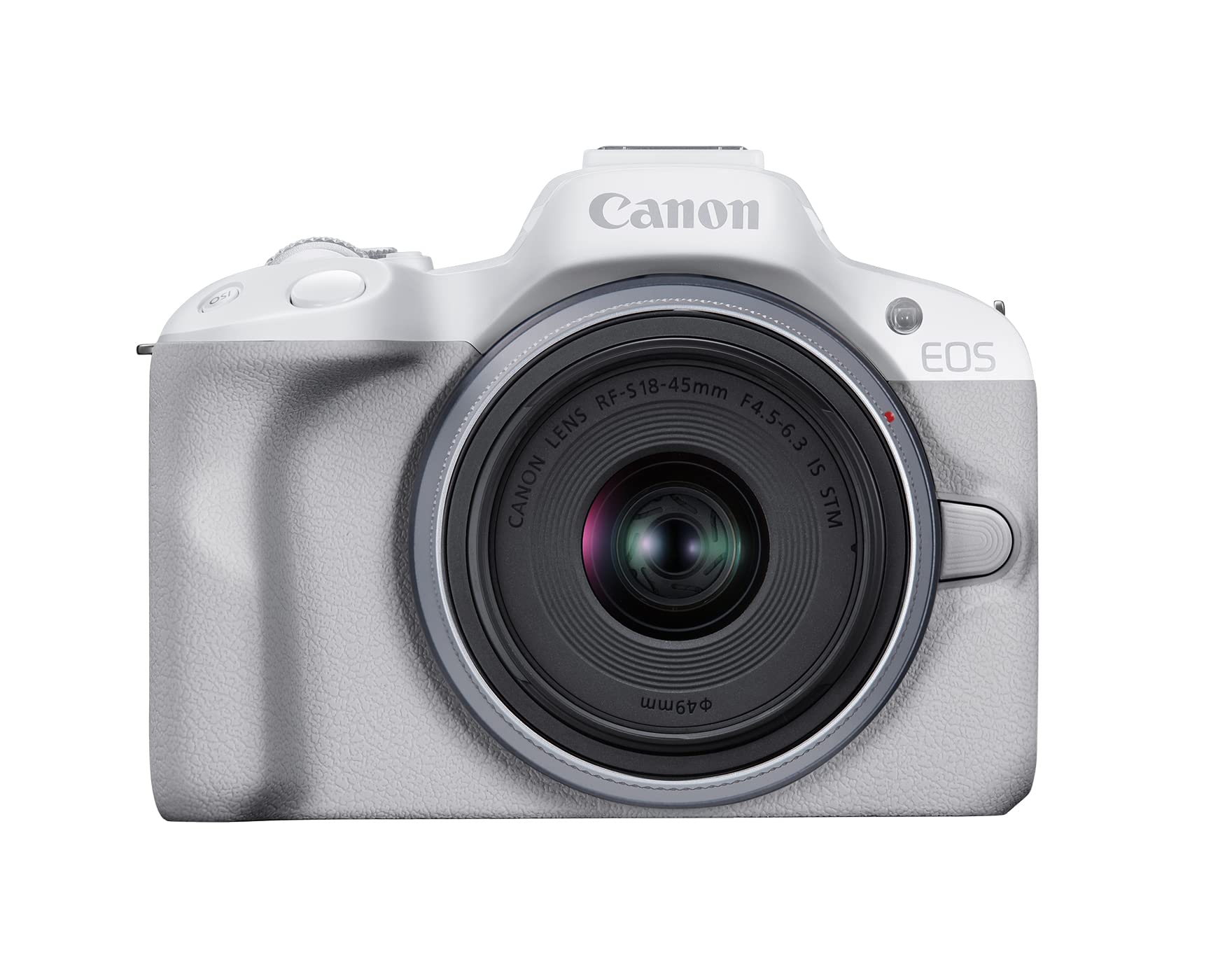
We believe the Canon EOS R50 is a well-rounded pick for enthusiastic content creators or keen amateurs who crave quality and portability.
Pros
- Impressive autofocus with subject tracking
- Crisp 4K video capabilities
- Lightweight and compact for easy handling
Cons
- Some pros may find the limited physical controls challenging
- Battery life could be better for extended shoots
- Potential learning curve for beginners transitioning from smartphones
Canon is a name long associated with quality cameras and their additions to the mirrorless market incorporating AI technology is impressive.
We’re struck by the Canon EOS R50’s intelligent autofocus system. It nails focus on the fly, making it a breeze to capture sharp images of moving subjects. The feeling of being untethered, thanks to its compact design, allows us to move freely, capturing moments without the bulkiness you might expect from traditional DSLR cameras.
The 4K video quality is another strong point. The footage is oversampled from 6K, ensuring that our videos are crisp, with fine details rendering beautifully. This has elevated our vlogging production value, noticeable especially when filming close-up content and switching focus smoothly and quickly.
However, while out for extended periods, we notice the battery gauge dipping more quickly than desired, urging us to consider carrying spare batteries. Also, for those migrating from smartphone photography, the transition to this mirrorless wonder might come with a learning curve. But, once overcome, the creative freedom and image quality leaps are undeniable.
In our view, the Canon EOS R50 is a compelling option that stands out for its ease of use, excellent imagery, and portable form factor. Despite a couple of drawbacks, like the limited physical controls that more seasoned photographers might miss, its advantages make it a valuable tool for creators aiming for high-quality content without the bulk.
Canon EOS R100

If you’re seeking a compact mirrorless camera that touts quality and portability, the Canon EOS R100 might just be the perfect tool for your photography aspirations.
Pros
- Remarkably portable design, making it a breeze to carry around
- Eye Detection AF ensures sharp portraits and dynamic subject tracking
- Offers a commendable continuous shooting speed for capturing fast action
Cons
- Lacks a built-in zoom feature; you will need to invest in additional lenses
- Some users report overheating issues, a potential drawback during extensive use
- Not equipped with all the desired functions for seasoned photographers
Having recently taken the Canon EOS R100 for a spin, we were instantly taken by its featherlight design. Hiking through the city’s outskirts, it proved to be a constant companion, never weighing us down. The camera’s grip was secure in our hands, reassuring us with each shot we framed.
When required for some fast action shots of lively street scenes, the rapid-fire shooting mode didn’t miss a beat. Every split second was captured, from fleeting expressions to sudden bursts of motion. This camera didn’t falter, even as subjects zipped past our lens.
The Eye Detection AF was unerring and impressive. Whether we were photographing friends or focusing on a street performer’s eyes, it provided spot-on focus that shone through in the resulting images. However, we couldn’t help but wish for a built-in zoom to quickly close the gap on distant subjects.
While its simplicity is a perfect for those dipping their toes into professional-grade photography, veterans might find the feature set a bit lacking. Moreover, during one particularly long session, we noted the camera felt warm – a common caveat echoed by other users that may give pause to those envisioning prolonged, intense shooting schedules.
We can’t close without touching on the Canon EOS R100’s wireless capabilities, which made sharing our favorite captures very simple. Transferring images to our smartphones was straightforward, ensuring our online galleries were always current.
In our book, the Canon EOS R100 stakes a strong claim for anyone aiming to elevate their photography game on the go. While certain limitations exist, the positives such as its portability, smart autofocus, and ease of use make it a compelling choice worth considering.
Panasonic LUMIX S5II

We think the Panasonic LUMIX S5II is a stand-out choice for anyone looking for a versatile tool that can effortlessly switch between high-resolution photography and professional-grade video.
Pros
- Exceptional autofocus that locks on and tracks subjects with precision
- In-body stabilization that smooths out hand-held footage remarkably
- Unlimited 4K video recording without overheating
Cons
- The kit lens may not satisfy those who need faster apertures for low light
- Complex menus could be overwhelming for beginners
- Cropped 4K 60fps might be a limitation for some professionals
We’ve been consistently impressed by the Panasonic LUMIX S5II’s autofocus capabilities. The camera quickly identifies and maintains focus on subjects, even in challenging lighting. This precision is invaluable, especially when capturing fast-moving scenes.
The in-body stabilization system is among the best we’ve tried. It’s powerful enough to make handheld video shooting a smooth experience. This feature alone has allowed us to leave our gimbals behind on several occasions, knowing that the footage will still come out steady and professional.
Lastly, the ability to record 4K video without time limitations is a ground breaking for content creators. The fear of overheating during a long shoot is effectively a thing of the past. This feature gives peace of mind and lets us focus solely on capturing the best shot.
On the flip side, while the included 20-60mm lens is competent and versatile, those often shooting in low light might seek faster lenses to pair with the camera’s excellent sensor. Additionally, the menu system is extensive, which is fantastic for controlling every aspect of the image, but it can be daunting for new users. And while the video functionality is robust, professionals requiring full sensor readout for 4K 60fps might have to consider other options.
The Panasonic LUMIX S5II is a powerhouse for both photo and video, matching and sometimes exceeding the performance of higher-priced cameras on the market. With this in our arsenal, we’ve captured stunning stills and videos that have left us more than satisfied.
Nikon Z50 Creativity Kit

Experiencing the Nikon Z50 has convinced us it’s a solid pick for photographers looking to capture high-quality images without the bulk of a traditional DSLR.
Pros
- Exceptional image quality in low light
- Intuitive controls and articulating touchscreen
- Impressive autofocus with eye detection, enhancing portrait capture
Cons
- Limited native lens selection for Z-mount
- Single card slot may concern some professionals
- Learning curve for those new to mirrorless systems
We’ve been quite impressed with the Nikon Z50’s compact form factor that doesn’t compromise on performance. The Z50 packs a punch, balancing superior rendering with a portable design. Whether exploring the streets by night or capturing the subtle nuances of facial expressions, the Z50’s low light performance and eye-detection autofocus make it a formidable tool.
Our treks through urban landscapes and countryside hikes were made all the more comfortable thanks to the Z50’s lightweight body. The camera is a perfect travel companion, delivering detailed and vibrant images that are sure to impress. The touchscreen is responsive, making for a user-friendly experience when reviewing shots or adjusting settings on the fly.
For the keen vloggers out there, the Z50 offers 4K recording and in-camera time-lapse creation, adding cinematic depth to your storytelling. However, we did find ourselves wishing for a greater variety of Z-mount lenses to expand our creative options. Despite this, the versatility and convenience of the kit lenses coupled with the camera’s excellent image stabilization mean you’re well-equipped from the get-go.
For enthusiasts ready to step up their game or for pros needing a reliable secondary camera, the Nikon Z50 offers a satisfying balance of functionality and portability. While there is a bit of a learning curve, the patience pays off, revealing a camera that grows with you as your skills advance.
Sony a6700 Mirrorless Bundle

In our opinion, this camera is well equipped for anyone who wants to up their game with advanced AI features and solid performance.
Pros
- Staggering autofocus capabilities with AI tracking
- Exceptionally stable with 5-axis in-body image stabilization
- Vivid 4K video, thanks to the high-resolution sensor
Cons
- Price may be steep for hobbyists
- A learning curve for beginners due to advanced features
- Heavier setup with the lens and accessories included
In our hands, the Sony a6700 felt like a glimpse into the future of photography. The autofocus was snappy, accurately locking onto subjects with little to no hesitation. During a day out shooting, subjects were clear, crisp, and precisely captured thanks to the camera’s AI and real-time tracking.
Using it across various lighting conditions was a effortless. Even as the evening crept in, images remained bright with excellent dynamic range. Video enthusiasts will adore the 4K detail that packs a punch, rendering our recordings with a professional-looking sheen.
The weight, while noticeable, wasn’t a deal-breaker, as the robustness of the camera gave us confidence in its durability. All in all, the Sony a6700 package is comprehensive and should find itself at the top of your list if premium features are what you seek.
Canon EOS R100
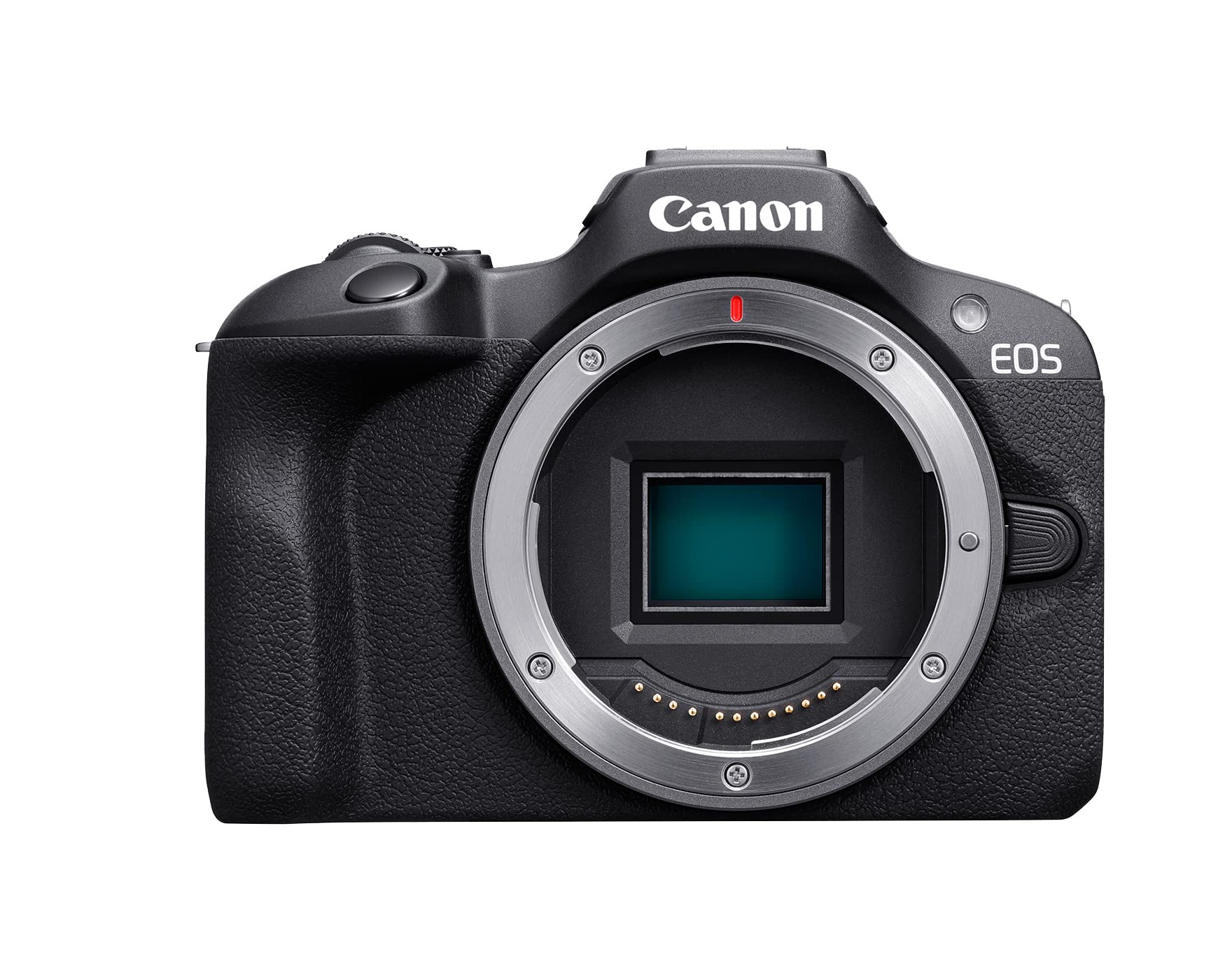
We think the Canon EOS R100 is a solid choice for those new to mirrorless systems, offering a blend of performance and portability.
Pros
- Compact design makes it a joy to carry around all day
- Effective Dual Pixel autofocus ensures sharp images of dynamic subjects
- Access to the extensive RF lens lineup expands creative possibilities
Cons
- Lacks in-body image stabilization (BIS), so it’s best used with IS lenses
- Advanced users may miss some pro-level features and customizations
- The 4K video is cropped, potentially limiting videography composition
The Canon EOS R100 is incredibly light, making it the ideal travel companion. Its 24.1 MP CMOS sensor couples with the DIGIC 8 processor to deliver images that are crisp and vivid. Whether you’re casually strolling through the city or capturing fast-moving action, the camera’s performance does not falter.
Autofocus is a standout on this device; it snaps onto subjects with ease. Eye Detection AF is a boon when photographing people, as it ensures the subject’s eyes are in focus. Such precision in focus is what sets this camera apart from many others in its class.
When filming, the Full HD at 60fps produces smooth, high-quality videos that are a beautiful to watch. However, while the 4K video offers higher resolution, it’s a bit restrictive due to the crop factor—something to consider if videography is your primary concern.
Connecting the Canon EOS R100 to Wi-Fi and Bluetooth was a straightforward process, making it convenient to transfer images to our devices. Canon’s commitment to creating a user-friendly experience shines here.
Despite its user-friendly design, I occasionally missed the advanced features found in higher-end models, such as additional dials for on-the-fly adjustments. Yet, for those taking their first steps into mirrorless photography or looking for a capable secondary camera, the compact EOS R100 is a worthy option at an very competitive entry level price.
Canon EOS RP with RF 24-105mm Lens
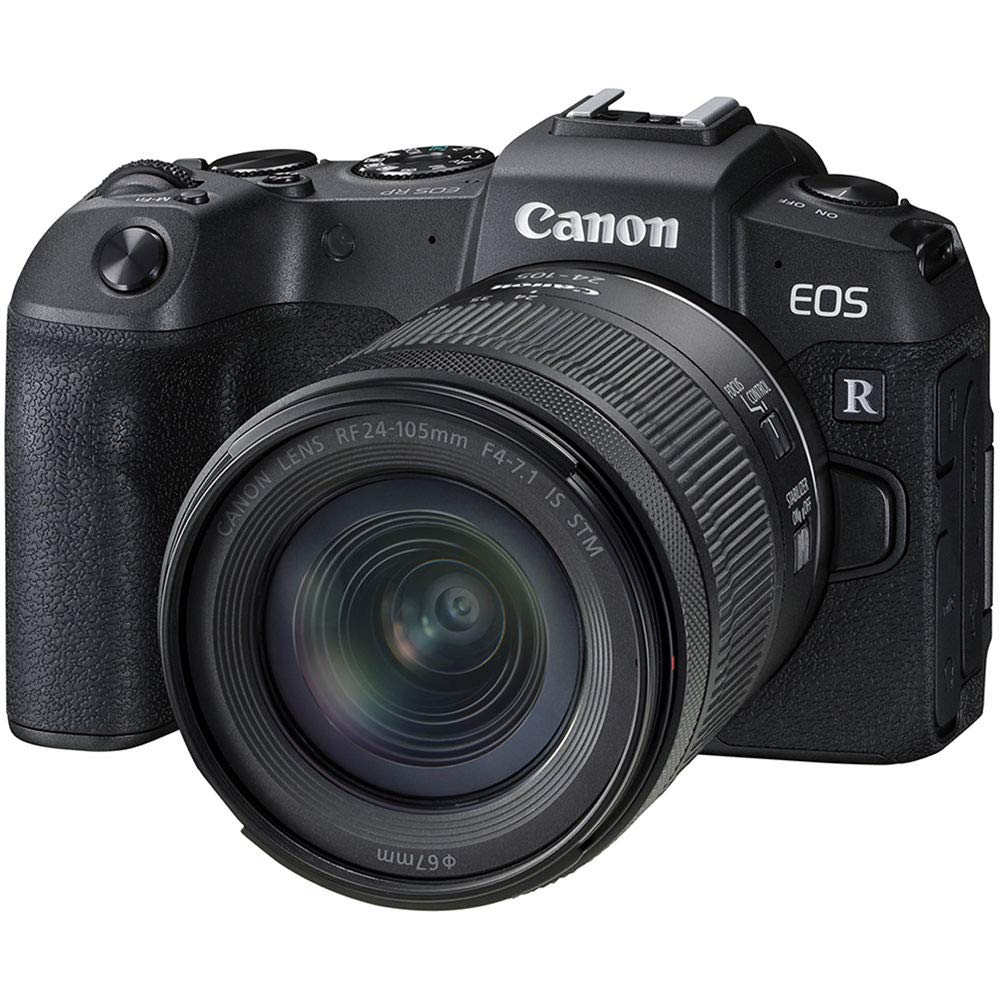
The Canon EOS RP is a solid choice for those moving into full-frame photography, thanks to its ease of use and impressive image quality.
Pros
- Lightweight build, making it travel-friendly
- Effective stabilization ensures crisp images
- Intuitive interface, perfect for newcomers to full-frame
Cons
- Battery life could be better
- Lacks in-body stabilization (IBIS)
- Limited burst shooting speed
The Canon EOS RP is designed for on-the-go shots. Its compact body defies the traditional bulk associated with full-frame cameras, meaning you won’t dread taking it along on your adventures. The accompanying RF 24-105mm lens is a versatile kit for most shooting scenarios you’ll encounter, from sweeping landscapes to detailed portraits.
Using this camera feels like second nature, with user-friendly controls and responsive autofocus that help you catch those fleeting moments without fuss. The optical image stabilization in the lens ensures your shots remain sharp, despite any unintended camera shakes during a handheld shoot. It’s particularly handy when capturing video, where stability is key.
However, photographers planning all-day shoots should be prepared; the battery life has room for improvement, requiring spare batteries for extensive use. And while the image stabilization is effective, seasoned photographers might miss the versatility of in-body stabilization (IBIS).
Lastly, if you’re interested in fast action or wildlife photography, the EOS RP’s modest burst speed might limit your ability to capture quick sequences. Despite those points, the EOS RP remains a worthwhile addition to our gear, especially when considering the balance it strikes between performance and portability.
LUMIX G95M

In our opinion the LUMIX G95M is a fantastic choice for photographers who need versatility and quality in both photo and video capture.
Pros
- Exceptional image quality with a high-resolution 20.3 MP sensor
- Durable, weather-sealed construction suitable for challenging environments
- Advanced video capabilities with Vlog-L for creative editing
Cons
- Bulkier than other mirrorless options, impacting portability
- Limited to Micro Four Thirds lens compatibility
- Higher price point may not fit all budgets
We recently had the opportunity to experience the Panasonic LUMIX G95M, and we’ve been impressed with its performance. Designed as a tool for both photography enthusiasts and video creators, it combines high-resolution imaging with advanced video features. The tactile feel of the buttons, paired with the camera’s intuitive layout, made it a pleasure to use in various shooting scenarios.
Out in the field, the camera’s weather-sealing endured rainy conditions, giving us peace of mind that it could withstand the elements. The articulated screen offered great flexibility, allowing for creative angles that would otherwise be difficult to capture.
Shooting video was straightforward with the LUMIX G95M as well. The addition of Vlog-L is a significant advantage, maximizing our post-production editing latitude. The ability to plug in external audio equipment through the provided jacks optimized our sound quality, enhancing the overall video production value.
In summary, our firsthand experience with the LUMIX G95M reinforced that it’s a solid choice for creators who demand high-quality output and robust features. While its size and lens compatibility may not cater to everyone’s preferences, its imaging prowess and build quality certainly uphold the brand’s strong reputation in the mirrorless camera market.
Buying Guide: Things to Consider
Sensor Size
Larger sensors generally provide better image quality and low-light performance.
| Sensor Type | Common in | Light Sensitivity |
|---|---|---|
| Full Frame | Professional cameras | High |
| APS-C | Consumer cameras | Moderate |
| Micro Four Thirds | Compact cameras | Lower |

Resolution
Consider how much detail you need. Higher megapixel counts are beneficial for large prints or cropping images without loss of detail.
Autofocus System
A good autofocus system is crucial for sharp images.
- Speed: The faster the autofocus, the better for action shots.
- Accuracy: Ensures the correct part of the image is in focus.
- AI Features: AI tracking of subjects can be a game-changer for moving subjects.
Video Capabilities
If you plan to record videos, check the resolution and frame rates available.
- 4K, 6K, or 8K: Higher resolution offers better clarity.
- Frame Rate: Higher for slow motion (60fps+).
Connectivity
Wireless connectivity options like Wi-Fi and Bluetooth provide convenience in transferring files to other devices.
Lens Compatibility
Ensure there’s a wide range of compatible lenses to choose from to expand your photography capabilities.
Battery Life
Longer battery life means less worry about running out of power during crucial moments.
Ergonomics and Usability
A camera should feel comfortable in your hands and controls should be intuitive. A user-friendly interface can enhance your shooting experience.
- Grip: Should be secure and comfortable.
- Weight: Prefer lighter cameras if you plan to carry it around a lot.
- Custom Controls: Customizable buttons and dials make it easier to access settings quickly.
Frequently Asked Questions
In this section, we’ll address some common inquiries about AI mirrorless cameras, focusing on features, budget concerns, comparative performance, recent innovations, and recommendations for beginners.
What are the top features to look for in mirrorless cameras with advanced autofocus capabilities?
When considering mirrorless cameras with advanced autofocus, prioritize those with eye-tracking autofocus, rapid subject acquisition, and low-light focusing capabilities. Cameras with high frame-per-second rates in continuous shooting mode tend to provide the best performance.
Which mirrorless cameras offer the best value for those on a tight budget?
For budget-conscious photographers, models such as the Sony α6100 or the Canon EOS M50 Mark II offer a balance of AI features and affordability. They deliver impressive imaging performance and user-friendly controls at a competitive price point.
How do entry-level mirrorless cameras with AI functionality compare to professional models?
Entry-level mirrorless cameras with AI features like intelligent scene recognition provide a solid foundation for beginners but typically have fewer customizability options and less robust build quality compared to professional models, which boast higher resolution, faster processing, and more advanced AI capabilities.
What are the newest innovations in AI technology found in recent mirrorless camera models?
The latest mirrorless cameras incorporate AI-driven features such as improved face detection, animal recognition, intelligent scene analysis, and enhanced auto-exposure, which adapt to various shooting environments for optimal results.
Which mirrorless cameras are considered the best for beginners interested in AI photography?
The Fujifilm X-T200 and Panasonic LUMIX G100 are among the top picks for beginners, offering intuitive interfaces and solid AI assisted features, such as subject tracking and scene recognition, without overwhelming new users.
How does AI-enhanced image processing improve the performance of mirrorless cameras?
AI-enhanced image processing dramatically improves autofocus accuracy.
It also reduces noise in low-light conditions and fine-tunes color rendition and exposure.
This offers a significant boost in image quality and consistency across varying conditions.