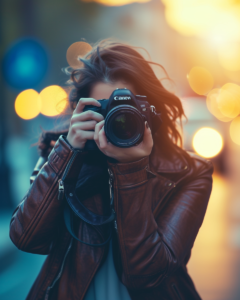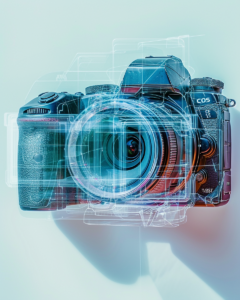
Abstract and Creative Photography: Unleashing Visual Imagination
Abstract and creative photography stretch the boundaries of conventional photography by emphasizing artistic expression over realistic representation. This genre does away with literal interpretation, inviting the viewer to interpret the image subjectively.
It often focuses on color, form, texture, and patterns, with the potential to alter the original meaning or even make the subject unrecognizable.
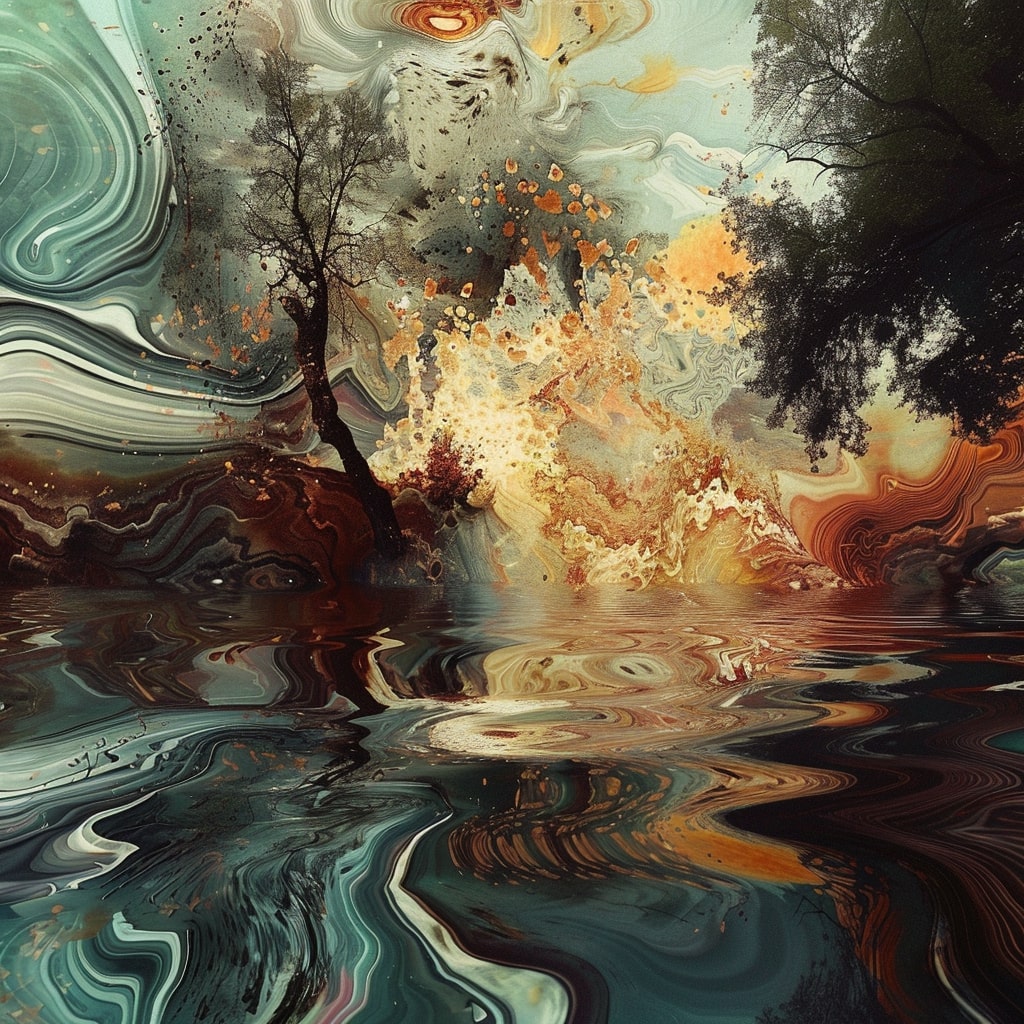
Photographers exploring this creative abstract photography use a variety of techniques to create intriguing visuals. These can include close-ups, motion blur, and the interplay of light and shadow.
AI photo editing techniques can also be used to enhance the images to create stunning visuals.
By experimenting with these methods, the photographer turns the ordinary into the extraordinary, encouraging the audience to engage with the imagery on a deeper, more emotive level.
Creative abstract photography involves a level of experimentation and a break from the more structured rules of traditional photography. It is an exploration of the photographic medium that allows for personal interpretation making every abstract photograph a unique piece of art.
What techniques can be used to achieve abstraction in photography?
Abstraction in photography can be achieved through various techniques.
These include utilizing close-up shots, intentional camera movement to create motion blur, or experimenting with focus to blur the subject. These methods help in distilling images to their essential forms and colors.
How can I create compelling compositions in abstract photography?
Creating compelling compositions in abstract photography often involves looking for interesting patterns, textures, or contrasts within the scene.
Photographers should also consider the rules of composition, such as the rule of thirds or leading lines, to create balanced and engaging images.
What are the key elements that define creative photography?
Creative photography is characterized by the use of imagination, unconventional perspectives, and often, the incorporation of various elements like shapes, colors, and forms to make a visual statement.
It goes beyond simply documenting reality to evoke emotions and thoughts.
Essentials of Abstract Photography
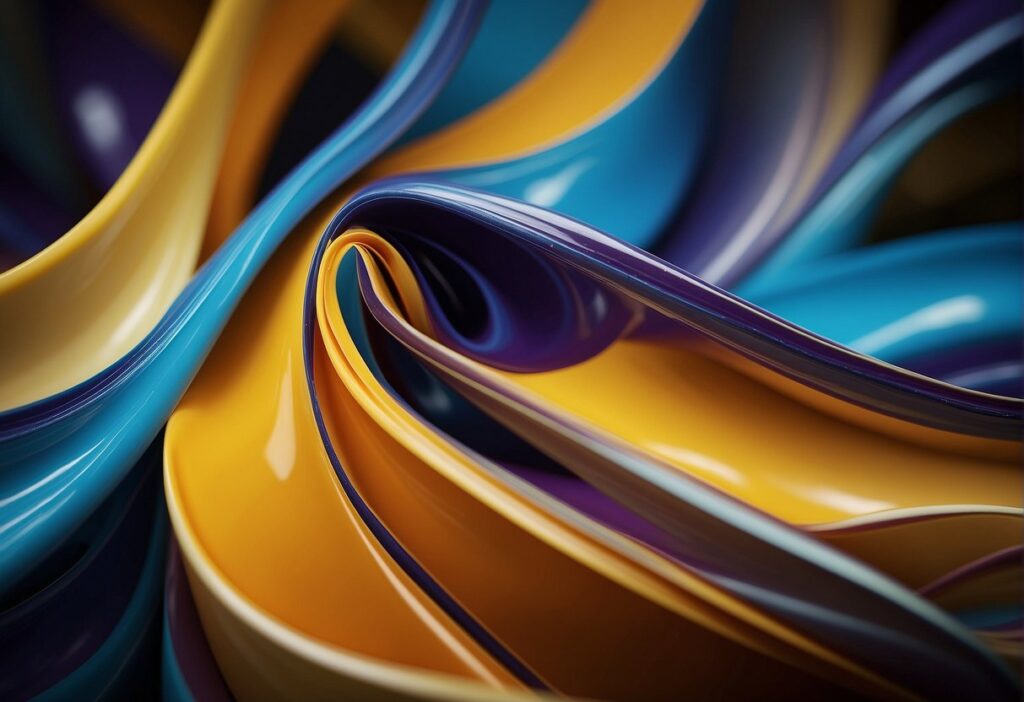
Abstract photography challenges viewers by presenting a subject in an unconventional way, prompting a reaction or contemplation through the use of composition elements like light, form, and color. It often forgoes literal representation to focus on the interplay of these elements.
Understanding Abstract Photography
Abstract photography distills a subject down to its core visual components. Unlike traditional photography, which aims to capture a realistic representation of the subject, abstract work encourages the viewer to interpret the inherent aesthetics of shape, form, textures, patterns, and colors.
This detachment from literal interpretations opens up a realm where lines and contrast may engage one’s imagination or evoke emotions.
Key Elements of Composition
The composition in abstract photography relies on several crucial elements inclusive of:
- Light: The foundation of all photography; manipulation of light can alter mood and perception.
- Shape and Form: Objects are reduced to simple forms to emphasize their geometrical attributes.
- Textures and Patterns: Visual diversity is introduced through the intricate details of a subject’s surface or repetitive motifs.
- Color: Whether vibrant or muted, color can serve as the subject itself or as a tool to lead the viewer’s eye.
- Lines: Directional lines guide the viewer through the image, or can create division and structure within the frame.
Leveraging these elements intentionally, photographers create intriguing visuals that might have no immediate association with the physical world, as described in “Abstract photography: What is abstract photography?” by Adobe.
To achieve this, photographers must look beyond the surface, capturing the essence through aspects that are not immediately obvious.
Technical Aspects and Camera Work

When approaching photography, an in-depth understanding of camera functions and shooting techniques is crucial for creative expression.
Camera Settings and Techniques
The foundation of capturing any image starts with the camera settings. These settings are critical in managing how the camera records light and motion.
For instance, shutter speed directly affects the depiction of movement and motion blur in photos. Fast shutter speeds freeze action, while slow shutter speeds may be employed to create intentional blur, adding a sense of motion to the image.
When dealing with dynamic subjects, intentional camera movement (ICM) can yield abstract results, infusing images with fluidity and energy by moving the camera while employing a longer shutter speed.
Meanwhile, ISO settings are pivotal in controlling the camera’s sensitivity to light and can impact the image’s graininess or noise levels.
Using Macro Lenses and Close-Ups
Macro lenses enable photographers to get intimately close to their subjects, magnifying minute details that would otherwise be unseen.
Using a macro lens, the frame of the photograph is filled with details magnified to life-size, providing a unique perspective.
When utilizing close-up techniques, camera stability and precision focusing become paramount.
Even the slightest movement can significantly alter the composition and clarity. Therefore, a steady hand or a tripod is often essential when working at such close range to prevent unintended blur.
Abstract Photography and Mirrorless Cameras
Abstract photography often involves experimenting with various elements to deviate from the subject’s original appearance.
Mirrorless cameras have become a choice tool in this genre due to their compact size, real-time electronic viewfinder updates, and silent shooting capabilities, allowing for unobtrusive operation.
With the advantage of electronic viewfinders, photographers can preview the effects of their camera settings directly, such as long exposure and motion, before taking the shot.
These cameras facilitate a kind of iterative creativity, where one can adjust the settings on-the-fly to achieve the desired abstraction in-camera.
Creative Approaches and Styles
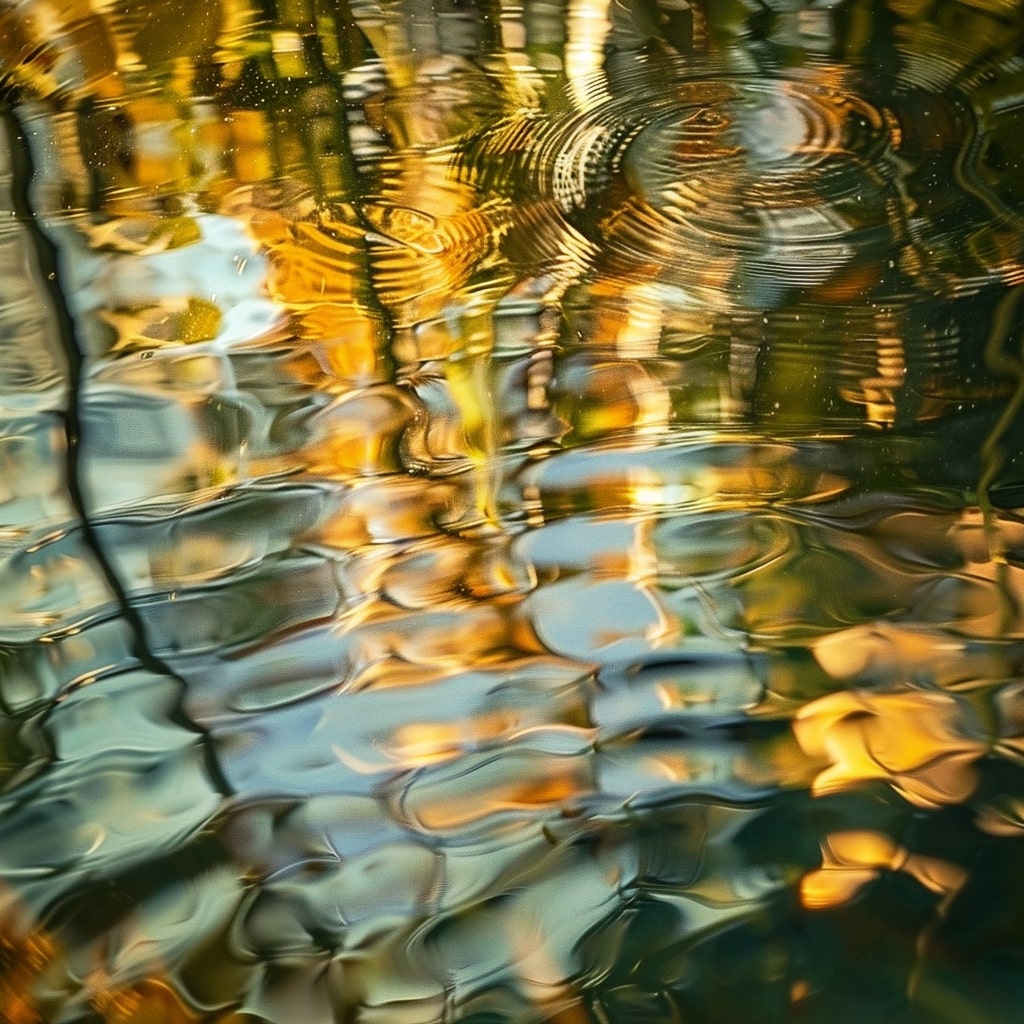
In this artistic style, the photographer’s creativity is paramount in sculpting the essence of a subject beyond its literal form. This section dwells on leveraging textures and patterns, as well as color and light to compose stunning abstract images that evoke a spectrum of emotions and moods.
Exploring Different Textures and Patterns
Textures and patterns serve as foundational elements in the construction of a compelling abstract image. They draw the viewer’s attention and can be found in the intricacy of natural elements or the repetitive shapes in human-made environments.
One can make a close-up to highlight the intimate details of a texture, turning the mundane into the extraordinary.
Similarly, photographers may seek out patterns that bring rhythm and intrigue to the frame, transforming a simple array of lines into a checkerboard pattern that contrasts light and shadow, enticing the viewer’s curiosity.
Incorporating Color and Light in Abstracts
The interplay between color and light is a dance that fuels the fire of abstract art.
A photographer’s use of color can convey a powerful sense of mood or emotion, with vibrant hues elicit excitement, while muted tones may conjure a sense of nostalgia.
Light, on the other hand, is a tool to sculpt and define the subject, often used in abstract images to create a strong visual impact or to introduce the concept of light painting.
With techniques like bokeh, one can draw attention to the interplay of light and color that blurs the line between the tangible and the intangible, endowing abstract works with a dreamy ethereality.
Post-Processing and Finishing Touches
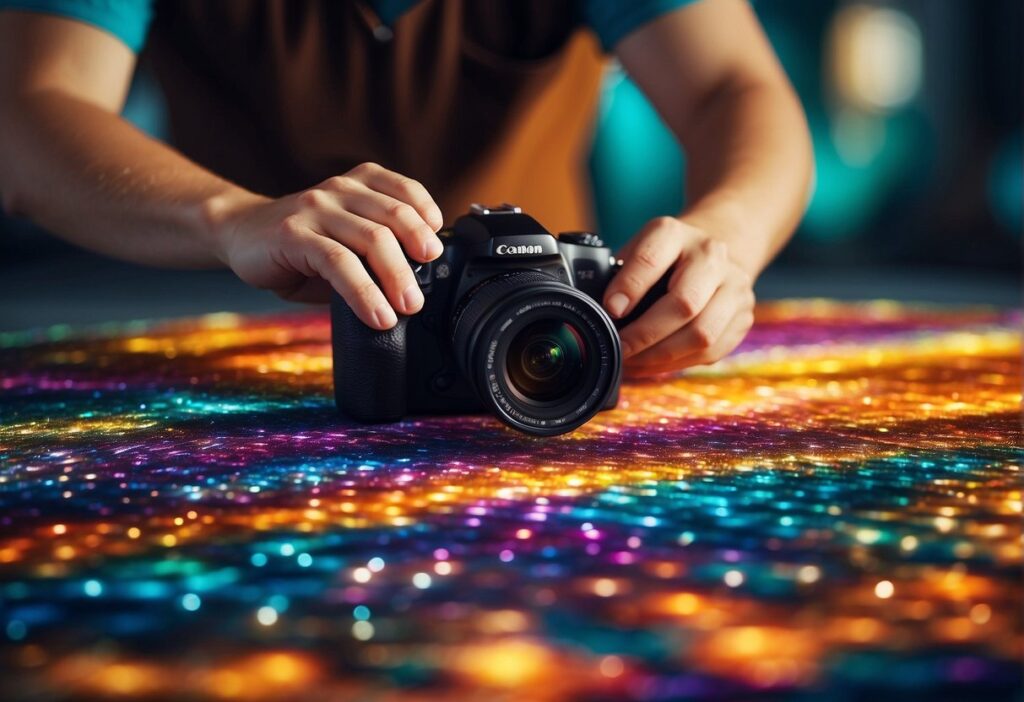
The enhancement of abstract and creative photography hinges on adept post-processing and the application of finishing touches. Mastery of editing techniques and the cultivation of visual balance and harmony are critical in elevating imagery from common snapshots to captivating works of art.
Editing Techniques
When photographers engage in post-processing, they manipulate images to accentuate certain elements or to invoke a specific mood.
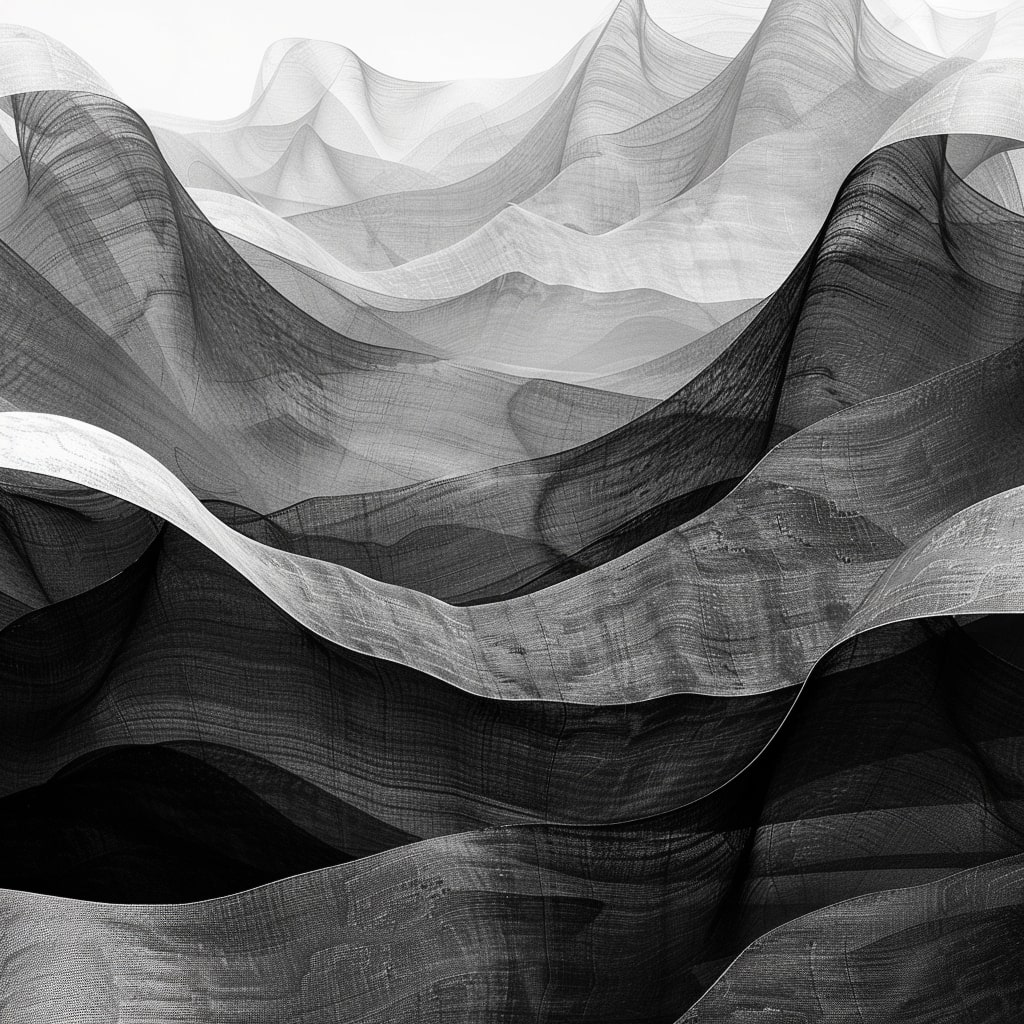
Black and white editing, for instance, can turn an ordinary photograph into a striking composition that emphasizes contrast and form.
Photographic software provides tools such as adjustment layers for refining exposure, tweaking color temperature, or crafting deliberate reflections within the photo.
| Editing Step | Effect on Image |
| Contrast Adjustment | Enhances sharpness; defines edges |
| Color Grading | Sets mood; conveys emotion |
| Cropping | Focuses viewer’s attention; removes distractions |
| Black and White Conversion | Strips away color to emphasize texture and form |
Achieving Visual Balance and Harmony
In visual arts, balance refers to the distribution of visual weight across a composition. This equilibrium can be symmetrical or asymmetrical and is key in creating a photograph that feels stable and aesthetically pleasing.
To achieve balance, editors may judiciously use color, light, and shape, arranging elements so that none overly dominate the scene unless intentionally designed to be a focal point.
| Balance Type | Description |
| Symmetrical Balance | Mirror-like distribution of elements |
| Asymmetrical Balance | Unequal yet harmonious arrangement |
| Color Balance | Equal visual impact of hues |
| Tonal Balance | Complementary light and dark areas |
Practical Tips for Abstract Photography

In this section, photographers will find concrete strategies for enhancing their abstract photography skills, with a focus on refining technique and nurturing creative growth.
Improving Your Technique
Camera Settings: Mastering manual camera settings is essential.
Photographers should practice adjusting aperture, shutter speed, and ISO to affect depth of field, motion blur, and exposure.
For instance, a wide aperture can isolate subjects, creating a soft background, while a slow shutter speed may introduce motion blur, adding a dynamic element to compositions.
Focus Techniques: Experimenting with focus can lead to impressive abstract images.
They can try out-of-focus (bokeh) shots or use manual focus to draw attention to textures and patterns, making the familiar look unfamiliar.
Experimentation and Expanding Creativity
Colors and Shapes: Pushing the boundaries of color theory and geometry can lead to striking abstract works.
Photographers should explore contrasting colors for visual impact. They can also employ shapes within their compositions to create intriguing visual narratives.
Tools and Accessories: Utilizing various tools like prisms, multiple exposures, or even DIY filters can alter perceptions of reality.
A simple piece of glass held in front of the lens could refract light in captivating ways. Meanwhile, overlays and textures added in post-processing might completely transform an image.
Incorporating these practical tips into their workflow, photographers gain freedom in their creative expression. They can also methodically improve their abstract photography results.
Through easy tips and tricks, and consistent practice, photographers can enhance their technique and expand their creative capabilities.
Frequently Asked Questions

In exploring abstract and creative photography, enthusiasts often have questions about techniques, composition, and elements that define this artistic genre. Here are some specific answers to commonly asked questions.
Why do some photographers prefer abstract photography over traditional forms?
Some photographers are drawn to abstract photography because it allows them more creative freedom to express their vision.
They find joy in the ability to transform ordinary subjects into intriguing works of art that challenge viewers’ perceptions.
How do lighting and color influence the mood of abstract photographs?
Lighting and color are pivotal in abstract photography, as they can alter the mood and atmosphere of a photograph.
For instance, high contrast lighting can create a dramatic effect, while subdued colors can convey a sense of calm.
Experimenting with these elements allows photographers to evoke different emotions in their work.
What are some methods to approach abstract photography for beginners?
Beginners interested in abstract photography can start by focusing on the basic aspects of composition and design.
This can include isolating details, playing with light and shadow, and experimenting with color.
Beginners should also practice taking photos regularly to develop an eye for abstract compositions.