Synthography is a new art form at the intersection of technology and creativity. It involves creating synthetic images through advanced algorithms and artificial intelligence (AI).
Unlike traditional photography or graphic design, synthography uses generative adversarial networks (GANs), text-to-image synthesis, and computer-generated imagery (CGI) to craft unique visuals. The breadth of its application spans from academic research to commercial media production, making synthography a notable topic of study for artists, designers, and technologists.

The field of synthography is not only redefining artistic expression but also raising important questions about the role of AI in the creative industries. As machines become more adept at generating complex and aesthetically pleasing images, the distinction between human-made and machine-generated art becomes increasingly nuanced.
Understanding the fundamentals of synthography is key for those looking to explore this modern artform. It is a skill that combines technical knowledge with an understanding of design principles, opening up new possibilities for storytelling, branding, and visual communication.
Synthography 101
- Synthography creates synthetic images using machine learning and AI technology.
- It is reshaping artistic expression and the definition of creativity in the digital age.
- Mastery of synthography involves technical knowledge and design expertise.
- Synthography is now an important element of photography for many professionals.
- Synthography is set to become a much sought after skill as AI editing and camera technology advances.
Fundamentals of Synthography

Synthography harnesses AI to synthesize digital images, blurring the lines between traditional photography and innovative machine learning technologies.
Understanding Synthography
Synthography is an innovative practice that involves the creation of synthetic images through the use of artificial intelligence and machine learning algorithms. This field has emerged from the intersection of generative art and technological advancement, providing a new canvas for digital creation. The term embodies the synthesis of complex computational processes to create visual art.
Key Technologies in Synthography
Several key technologies drive the field of synthography:
- Generative Adversarial Networks (GANs): A cornerstone in creating AI art, GANs involve two neural networks contesting with each other in a game.
- Neural Networks: These are AI algorithms modeled after the human brain that learn from vast amounts of data to produce images from textual prompts, known as prompt engineering.
- Deep Learning Algorithms: Essential for understanding and replicating intricate patterns, deep learning enables the synthesis of highly detailed images.
The Role of AI and ML in Synthography
Artificial intelligence and machine learning play crucial roles in the development and execution of synthography. These technologies offer the following capabilities:
- Innovation and Creativity: AI provides tools that innovate and transform digital image creation, allowing for unprecedented forms of expression in art.
- Learning from Training Data: Machine learning algorithms improve over time, learning from training data to refine the quality and authenticity of generated images.
- Automated Synthesis: AI art can be generated rapidly, thanks to the automated processes of AI and ML, making synthography an efficient method for digital image creation.
Applications and Implications

Synthography’s advancements in artificial intelligence and machine learning have opened up a new realm of possibilities in the creation of digital media. The integration of AI technologies such as generative adversarial networks (GANs) and text-to-image models vastly expands the potential and scope for professionals in photography, design, and generative art.
Where Can I Learn Synthography?
Finding dedicated paid courses specifically focused on synthography can be challenging due to the newness of the field. However, it is forecast that having qualifications in AI related skills will be highly sought after in coming years. As camera technology and AI continue to merge there may be an excellent career path for professional synthographers.
- Youtube is always a great place to start to learn the basics of almost anything, as many people love to share their knowledge.
- Udemy has a number of courses available on machine learning, AI and digital art. Make sure you read the reviews before enrolling.
- Large learning platforms such as Coursera, Skillshare and Full Sail University have courses in digital art and digital photography.
- Many established graphics programs such as Adobe are incorporating AI technology into their design suites, and courses for these products are easy to find.
As Synthography is a new term for what has previously been described as AI art or digital media creation, when searching for courses try using alternative phrases.
Creating with Synthography
Synthography allows the generation of images and art via AI models like OpenAI’s DALL-E or Midjourney, enabling artists to transform textual prompts into complex visuals.
With GANs, artists can craft detailed compositions with fine control over elements such as lighting, styles, perspective, and colors. This is not limited to 2D art; 3D modeling is also an evolving application, allowing for detailed simulations and environments.
The accessibility of text-to-image generation democratizes the craft, allowing those without traditional art skills to produce compelling artwork.
Ethical and Professional Considerations
With the rise of AI in art, professionals must consider ethical implications, including the need for consent when recreating likenesses or utilizing user-supplied data.
The technology raises questions about authenticity, as it blurs the lines between traditional craftsmanship and AI-generated art. This moves the debate beyond black and white legalities into a grey area of moral responsibility.
Keywords such as transparency, creditation, and originality are pivotal in discussions among artists and consumers alike.
The Future of Digital Art and AI
The continued integration of AI technology promises a transformative future for genres of digital art.
Tools that provide AI-generated filters or enable complex photographic simulations present both opportunities and challenges.
The evolution of AI such as text-to-image models and the refinement of artistic AI algorithms could redefine what we consider as professional photography, possibly introducing new genres and mediums of expression.
Self generating AI images are now being discussed as a matter of course, although the technology is not yet publicly available.
As these technologies become more sophisticated, the barrier to entry for creating professional-quality work is also lowered, offering hope for greater inclusivity in the field of digital art.
Frequently Asked Questions
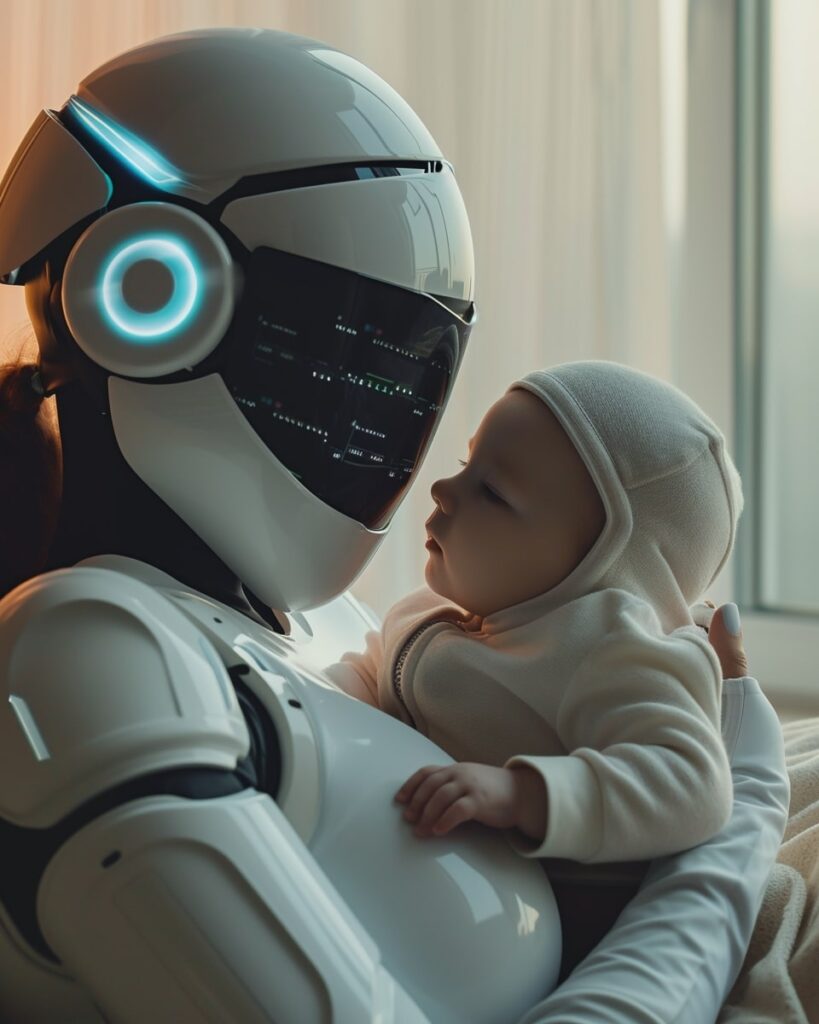
In exploring the art of synthography, there are many questions due to its unique place in the art world . These frequently asked questions delve into the essential aspects of the practice.
Which apps are best for practicing synthography?
For practicing synthography, applications that offer a variety of tools and an intuitive user interface are preferred. Programs such as Adobe Photoshop and Illustrator are industry standards that provide comprehensive features for creating synthetic images.
What does synthography entail and what are its principles?
Synthography involves the creation of images by combining graphic design, photography, and digital manipulation. Its principles include an understanding of visual composition, color theory, and the ability to manipulate and blend images seamlessly.
What skills are necessary to become a proficient synthographer?
A proficient synthographer needs a strong foundation in visual arts and technical skills in image editing software. They must also have a keen eye for detail, creativity in merging elements from various sources, and patience to refine their work.
Can AI artists be considered true artists, and why?
AI artists can be considered true artists as they use programs to generate artwork that involves creativity and emotional expression. The debate often hinges on the human involvement in guiding the AI, but the end result is a piece of art.
From what sources does AI art typically derive its imagery?
AI art often derives its imagery from large datasets of existing visual material that the AI has been trained on, in addition to photographs and artwork supplied. These datasets can include anything from classical art to contemporary digital works.
This provides a wide range of visual languages the AI can learn from.