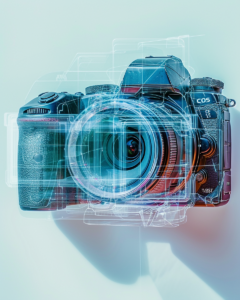
The integration of AI-powered scene recognition in mirrorless cameras marks a significant technical development and a useful improvement for photographers.
This pushes the boundaries of what these compact systems can achieve. As contemporary mirrorless cameras become more sophisticated, AI capabilities can now discern between various scenes and subjects. thus leveraging computational power to optimize settings for each unique situation.
This technology not only bolsters the capabilities of photographers of all skill levels but also enhances the creative process by automating intricate technical adjustments.

AI-powered scene recognition systems analyze visual data in real-time. This enables cameras to make instantaneous decisions about camera settings, focus, and exposure. The underlying AI algorithms have been trained on vast datasets to accurately identify and categorize different photographic scenes such as landscapes, portraits, or fast-moving subjects.
The result is a transformative user experience, where the camera becomes an intelligent assistant, simplifying the technical aspects of photography and allowing photographers to concentrate more on composition and storytelling. Even a novice photographer can now create sophisticated images with little technical know how.
What distinguishes AI scene recognition from traditional autofocus in mirrorless cameras?
AI scene recognition goes beyond traditional autofocus by analyzing the entire scene. It understands context and subject matter, enabling the camera to adjust settings like exposure and white balance in real-time.
How does artificial intelligence enhance computational photography in modern cameras?
Artificial intelligence enhances computational photography by leveraging complex algorithms to optimize image quality. It processes visual data more effectively, enabling features like enhanced dynamic range and noise reduction.
Scene Recognition
- AI scene recognition dramatically enhances mirrorless camera performance.
- Real-time analytics of scenes optimize camera settings automatically.
- Mirrorless cameras with AI allow for focused creativity and simplified operation.
- Little technical camera or photography skills are required to shoot high quality images in varying conditions.
Evolution of Camera Technology

The moving trend of cameras from DSLR to modern mirrorless systems has been marked by the integration of AI, enhancing the speed by which photographers can frame and create images.
From DSLR to Mirrorless Cameras
Digital Single-Lens Reflex (DSLR) cameras once dominated the market as the preferred choice among photography enthusiasts and professionals. They utilized a mirror mechanism to reflect light from the lens to an optical viewfinder. In contrast, mirrorless cameras have removed the mirror system, which allows them to be more compact and lighter, leading to their increased popularity. Mirrorless systems also employ an electronic viewfinder (EVF) or just the digital display, providing real-time image previews with greater accuracy.
| Year | Adoption of Mirrorless Cameras |
|---|---|
| 2010 | Limited adoption, early introduction of mirrorless technology4. |
| 2013 | Growing popularity and increased market presence of mirrorless cameras4. |
| 2016 | Significant rise in the adoption of mirrorless cameras, gaining traction among photographers4. |
| 2019 | Continued growth in the adoption of mirrorless cameras, becoming a preferred choice for many photographers4. |
| 2023 | Mirrorless camera technology continues to evolve, offering versatile features and capabilities2. |
This table provides a brief overview of the adoption trends of mirrorless cameras over the years, showcasing their evolution and increasing popularity among photographers.
Rise of AI in Photography
Artificial Intelligence (AI) is transforming mirrorless cameras by introducing smarter scene recognition and real-time image enhancements. AI algorithms analyze the scene and adjust camera settings like exposure, focus, and color balance to produce the best possible image.
Innovations in computational photography allow mirrorless cameras to recognize subjects in the frame, detecting faces, animals, landscapes or tracking moving objects. This provides photographers with tools that were once only available in high-end DSLR systems or through post-processing software.
AI-Powered Scene Recognition
AI-powered scene recognition is revolutionizing how images are captured and processed, providing photographers with unprecedented assistance in achieving optimal results no matter what the conditions.

Understanding Scene Recognition
AI-powered scene recognition employs machine learning and neural networks to analyze visual data in real-time. This effectively allows the camera to understand the content it is viewing. These AI algorithms can classify various elements within the scene, from landscapes and urban settings to portraits and close-ups. This information then instructs the camera on how to adjust its settings for the best possible exposure, focus, and color accuracy.
Machine-learning models trained on vast datasets enable the camera’s AI to discern subtle differences between scenes, even under varying lighting conditions. For instance, if a mirrorless camera detects a skyline during sunset, its AI might enhance the warm hues and automatically manage the dynamic range.
Uses of Scene Recognition
Smartphone Photography:
- Scene Detection: Automatically optimizes settings for landscapes, portraits, and more
- Image Enhancement: Smart HDR and computational photography for superior image quality
Professional Photographers:
- Efficiency: Quickly adapts to changing scenes, allowing for a seamless transition
- Precision: Accurate subject detection and tracking for crisp, clear images
The integration of AI into mirrorless cameras benefits both amateur and professional photography experiences. Both professional and enthusiastic amateur photographers reap the benefits of AI scene recognition, especially in dynamic environments where conditions change rapidly.
Technical Aspects of AI Cameras

AI cameras represent a significant advancement in image capture technology, blending sophisticated software with robust hardware to enhance performance and image quality in real-time.
Artificial Intelligence Technology
The core of AI camera technology lies in its software, which utilizes deep learning algorithms to process visual data quickly and accurately. This software is capable of analyzing color, contrast, and dynamic range more efficiently than traditional systems. AI-driven software enables features such as:
- Autofocus: Improved by using AI for subject detection, including face detection and object recognition.
- Exposure: AI algorithms can analyze a scene and adjust the camera settings to achieve the optimal exposure.
- Noise Reduction: By recognizing patterns, AI can differentiate between noise and detail to reduce the former while preserving the latter.
- Light Adjustment: To quickly adjust camera settings for changing light conditions.
AI Camera Components
The hardware components of an AI camera are tailored to complement the software, providing the necessary computational power for high-performance outcomes. Key hardware components include:
- Image Sensors: Larger sensors typically found in mirrorless cameras that provide higher image quality and better performance in low light conditions.
- Processors: Specially designed processors that handle AI operations and image processing tasks efficiently.
By integrating these components, AI cameras can offer real-time improvements to photography, ensuring that the resulting images are sharp, well-exposed, and vivid.
Integration with Devices and Software

Mirrorless cameras with AI-powered scene recognition are increasingly incorporating features that enable seamless connectivity with devices, enhancing the functionality and convenience for photographers. Image enhancing and editing software also integrates with modern AI cameras.
Smartphone and Camera Connectivity
Modern mirrorless cameras generally come equipped with built-in Wi-Fi and Bluetooth capabilities, allowing them to connect with smartphones easily. Users can transfer photos and videos directly to their smartphones, leveraging the camera’s superior sensors and the smartphone’s advanced computing power for further processing.
- iPhone: Through dedicated apps, photographers can pair their cameras with their iPhones, using the device as a remote control, viewfinder, or to quickly edit and share images.
- Android: Connectivity options are also robust on Android devices, including high-end models like the Google Pixel. These smartphones can connect to cameras for similar purposes, benefiting from streamlined workflows and intuitive user interfaces.
Professional Use and Consumer Benefits
Professionals and consumers gain significant benefits from the integration of AI in mirrorless cameras. AI offers improved autofocus systems and subject tracking. Features which are crucial for capturing images with precise depth of field and desirable bokeh, particularly in portrait mode.
Cameras now possess the ability to recognize scenes and adjust settings for optimal image enhancement, like activating night mode when necessary.
The advancement of computational photography means images are not just captured but computationally improved, providing a much higher quality of photo. The inclusion of robust image stabilization systems aids photographers in taking crisp and clear images, even when in motion.
For those on a budget, this technology has trickled down to more compact and affordable options, ensuring wide access to powerful photography tools.
Full-frame cameras with AI are particularly powerful, capturing rich details and providing professionals with the high-end performance needed for commercial quality work. These are a more expensive option and favored by professional photographers.
In line with storage demands, AI algorithms optimize images to take up less room without sacrificing quality, thus allowing photographers to make efficient use of their camera’s storage capacity.
Future Developments in AI Cameras
The development pipeline for AI cameras indicates substantial strides in areas such as image synthesis and digital zoom capabilities. With deep learning, cameras will become even better at interpreting scenes and selecting the appropriate camera settings for enhanced image quality.
Enhanced zoom lenses with AI can provide superior image stabilization and autofocus across the zoom range, replicating or even surpassing the quality of prime lenses.
One can expect to see compact mirrorless cameras with the build and power of their bulkier counterparts due to improvements in AI, which enable these powerful features to be compressed into more portable designs.
AI technology is poised to further bridge the gap between professional and consumer devices, offering high-end functionalities to casual photographers without the complexity traditionally associated with professional gear.
Through machine learning, there is an emergent trend towards cameras that learn from their user’s shooting style, optimizing settings and controls for a customized, intuitive experience.
Additionally, as AI becomes more sophisticated, tasks like automatic tagging and smart storage management will further streamline photographers’ workflows.
Frequently Asked Questions

What capabilities does AI retouching add to post-processing directly in the camera?
AI retouching offers sophisticated post-processing tools, such as blemish removal and exposure correction, directly in the camera. This provides photographers with polished images without the need for external software.
In what ways do smart cameras use AI to improve image quality?
Smart cameras use AI to analyze lighting, color, and patterns within a scene. They adjust settings in real-time to capture images with improved clarity, color accuracy, and detail.
How does AI detection in cameras contribute to object recognition accuracy?
AI detection in cameras contributes to object recognition by identifying and categorizing subjects within the frame, from facial features to landscape elements, enhancing focus precision and composition.
What recent innovations in AI have been integrated into the latest mirrorless cameras?
Recent innovations integrated into mirrorless cameras include AI-driven subject tracking for better focus retention. The introduction of AI-based filters and effects that adapt to the scene’s context is also notable.